

 Send Email
Hex nut materials, standards, and strength grades define the performance characteristics that determine whether a fastener will survive in demanding applications. Understanding these specifications is essential for engineers, procurement specialists, and maintenance professionals who need reliable fastening solutions. This guide covers the complete spectrum of hex nut specifications from material composition to international standards compliance.

Understanding Hex Nut Fundamentals
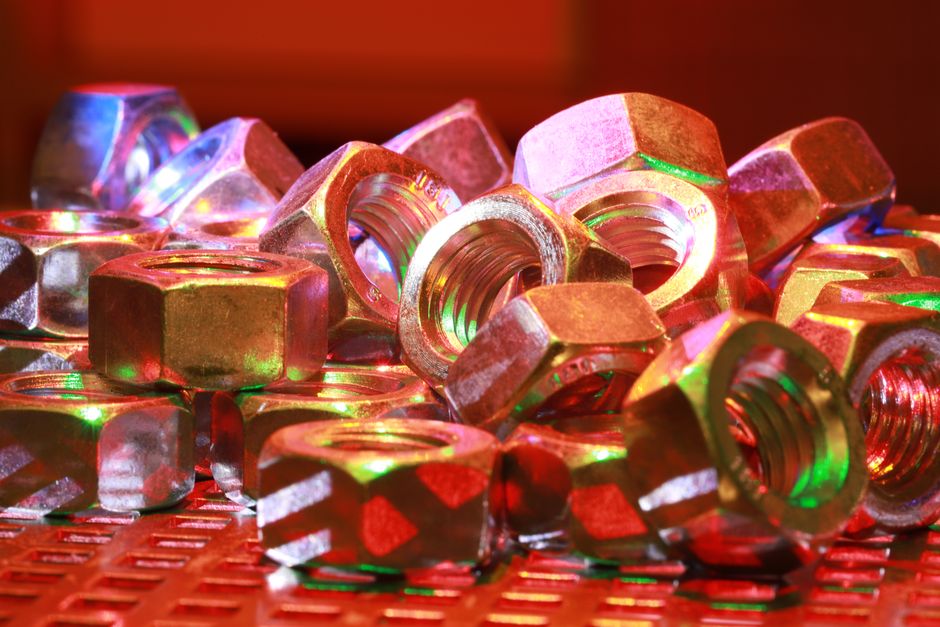
A hex nut is a hexagonal-shaped fastening component with internal threading designed to engage with a bolt or threaded rod. The hex nuts all series products include standard hexagonal nuts conforming to DIN 934, ISO 4032, and various proprietary specifications. These fasteners feature six flat sides enabling easy tightening with standard wrenches or sockets.
Hex nuts function as the female component in a bolted joint, creating a removable mechanical connection when paired with appropriate bolts. The internal thread diameter determines compatibility with specific bolt sizes, while the thickness and across-flat dimensions vary according to strength requirements and standard specifications.
The hexagonal shape provides mechanical advantages including efficient torque transmission and consistent load distribution. Manufacturing precision ensures thread engagement quality and prevents cross-threading during assembly. Engineers should consult the Search Engine Optimization principles when documenting fastener specifications online for procurement purposes.
Common Hex Nut Materials and Their Properties
Material selection directly impacts corrosion resistance, temperature tolerance, and mechanical strength of hex nuts. Each material offers distinct advantages for specific operating environments. Reference materials on cybersecurity fundamentals may be relevant when sourcing fasteners through digital procurement platforms.
Carbon steel represents the most widely used hex nut material due to its favorable strength-to-cost ratio. These nuts typically undergo surface treatments such as zinc plating, hot-dip galvanizing, or black oxide coating to enhance corrosion resistance. Carbon steel hex nuts achieve various strength grades through heat treatment processes.
Stainless steel hex nuts provide superior corrosion resistance without additional surface coatings. Grades 304 and 316 offer excellent resistance to atmospheric corrosion, chemicals, and moisture. Grade 316 stainless steel contains molybdenum for enhanced performance in chloride environments such as marine applications.
Alloy steel hex nuts, particularly those made from chromium-molybdenum alloys, deliver exceptional strength for high-pressure and high-temperature applications. These materials maintain mechanical properties at elevated temperatures and resist creep deformation.
Brass hex nuts offer good corrosion resistance and electrical conductivity, making them suitable for electrical equipment and plumbing installations. Aluminum hex nuts provide lightweight solutions for aerospace and automotive applications where weight reduction is critical.
International Standards for Hex Nuts
Hex nut standards establish dimensional requirements, mechanical properties, and testing procedures to ensure interchangeability and reliable performance. The ISO 69487 standard defines hexagonal nuts with specified proof loads and material requirements for general engineering applications.
European Standards (DIN and EN)
DIN 934 specifies dimensions and mechanical properties for hexagonal nuts in metric sizes from M1.6 to M64. This standard defines across-flat dimensions, thicknesses, and thread tolerances ensuring compatibility with DIN-format bolts. The standard covers regular hex nuts, high hex nuts, and thin hex nuts for different applications.
EN 14399 and EN 15048 address high-strength structural bolting assemblies where preload control is critical. These standards specify requirements for preloads, tightening methods, and verification procedures ensuring adequate joint clamping force. Technical documentation for fastener standards should follow accessibility guidelines to ensure broad audience reach.
American Standards (ASTM and ASME)
ASTM A563 covers carbon and alloy steel hex nuts for structural and general engineering applications. The standard defines proof load requirements, wedge tensile strength, and hardness specifications for various nut grades.
ASME B18.2.2 establishes dimensional standards for finished hexagon nuts in inch sizes. This standard ensures compatibility between nuts and bolts manufactured to American specifications. Developers building fastener specification databases should consult Google's SEO documentation for best practices in structured data markup.
Hex Nut Strength Grades Explained
Strength grades classify hex nuts based on their mechanical performance under load. The proof load represents the minimum load a nut must withstand without permanent deformation during testing. Proof load values increase with nut size and strength classification.
Metric hex nut strength grades follow ISO 898 nomenclature with numbers indicating the bolt grade they can safely engage. A grade 8 nut pairs with grade 8.8 bolts, while grade 10 nuts match grade 10.9 bolts. The grade 8.8 zinc plated metric carbon steel galvanized hex bolts demonstrate typical pairing requirements for medium-strength applications.
American strength grades use designation systems such as Grade 2, Grade 5, and Grade 8. Grade 2 nuts serve low-stress applications, Grade 5 nuts provide medium-duty performance, and Grade 8 nuts deliver high-strength capability for demanding applications.
Structural hex nuts carry special designations including ASTM A563M Grades DH, DH3, and 10S. These nuts feature controlled proof load values calibrated to specific bolt pretension requirements in structural steel connections.
Strength Grade Comparison Table
| Grade | Material | Proof Load (MPa) | Application |
|---|---|---|---|
| Grade 5 | Medium Carbon Steel | 580-660 | Automotive, machinery |
| Grade 8 | Medium Carbon Alloy Steel | 970-1100 | High-stress applications |
| Grade 10 | Quenched and Tempered Alloy | 1130-1290 | Heavy equipment, infrastructure |
| 304 Stainless | Austenitic Stainless | 310-380 | Corrosive environments |
| 316 Stainless | Austenitic Stainless + Mo | 310-380 | Marine, chemical processing |
Material Selection Guidelines
Choosing the appropriate hex nut material requires evaluating environmental conditions, mechanical loads, temperature exposure, and cost constraints. Matching the nut material to the bolt material prevents galvanic corrosion in dissimilar metal combinations.
For indoor applications with moderate loads, zinc-plated carbon steel hex nuts provide adequate performance at reasonable cost. The black high-strength hex bolts full series products pair with corresponding strength-graded nuts for structural connections requiring preload control.
Outdoor exposure demands either corrosion-resistant materials or protective coatings. Hot-dip galvanized nuts resist atmospheric corrosion effectively, while stainless steel nuts provide longer-term protection without maintenance requirements.
High-temperature applications above 400°C require heat-resistant alloys that maintain strength at elevated temperatures. Inconel or specialized austenitic stainless grades prevent galling and seizure during thermal cycling.
Complementary Fasteners and Assemblies
Hex nuts rarely function alone in complete fastening assemblies. Proper engineering design considers the entire bolted joint including bolts, washers, and locking mechanisms. The flat washer and spring washer all series products provide bearing surface reinforcement and vibration damping when used with hex nuts.
Threaded studs and rods frequently engage with hex nuts in flanged connections and cylinder assemblies. The threaded metal studs and rods B7 manufacturer products deliver high-temperature performance for pressure vessel and refinery applications where ASTM A193 B7 material specification applies.
Socket head cap screws offer alternative fastening solutions where recessed drive sockets provide lower profile profiles. The hexagon socket head cap screws DIN 912 products enable compact assembly designs where hex nut engagement is impractical.
High-Strength Structural Bolting
Structural applications require careful matching of nut strength grades to bolt specifications. The high-strength hexagon head bolts UNC UNF GR5 GR8 products demonstrate common structural grades requiring compatible nut strength ratings.
Preload control becomes critical in structural connections where bolt tension determines joint integrity. Hex nuts for structural bolting undergo special testing including proof load, wedge tensile, and hydrogen embrittlement verification. The ISO standard for hex nut specifications provides acceptance criteria ensuring reliable structural performance.
Installation specifications typically require calibrated torque, tension-indicating washers, or direct tension indicators to achieve target preload values. Quality assurance protocols verify that assembled connections meet design intent.
Selection Checklist for Hex Nuts
Use this checklist when selecting hex nuts for engineering applications:
- Verify thread size and pitch match with mating bolt or stud
- Confirm strength grade compatibility with bolt specification
- Evaluate environmental exposure and corrosion requirements
- Check temperature range for intended service conditions
- Review applicable industry standards for certification requirements
- Consider assembly accessibility for wrench clearances
- Determine if locking features are required for vibration resistance
- Verify dimensional compliance with international standards where applicable
Industry Applications by Material
Different industries prioritize specific material properties based on operating conditions and regulatory requirements.
Construction and infrastructure projects predominantly use hot-dip galvanized carbon steel nuts for corrosion protection and high-strength structural grades for load-bearing connections. Building codes mandate specific standards compliance for structural applications.
Oil and gas refineries employ alloy steel nuts including ASTM A194 Grade 2H and B7 materials for high-pressure piping systems and pressure vessel flanges. These applications demand reliable performance at elevated temperatures and resistance to hydrogen sulfide environments.
Marine and coastal installations require stainless steel or special coatings to withstand salt spray exposure. Grade 316 stainless nuts provide excellent chloride ion resistance for offshore platforms and shipboard applications.
Food processing and pharmaceutical industries specify stainless steel nuts for sanitary requirements and cleanability. These environments demand materials that resist product contamination and withstand frequent washdown procedures.
Quality Assurance and Testing
Reputable manufacturers subject hex nuts to rigorous testing protocols verifying conformance to published specifications. Proof load testing applies calculated axial force to verify adequate strength before thread stripping occurs.
Hardness testing confirms heat treatment consistency and strength classification. Rockwell or Vickers hardness measurements correlate with ultimate tensile strength for quality verification purposes.
dimensional inspection ensures thread fit accuracy and eliminates defective products before installation. Thread pitch, minor diameter, and perpendicularity measurements validate manufacturing precision.
Conclusion
Hex nut materials, standards, and strength grades form the foundation for reliable fastener selection in engineering applications. Understanding material properties, international standards, and strength classifications enables informed procurement decisions that optimize performance while managing costs. Proper matching of nut grades to bolt specifications ensures adequate joint integrity across diverse operating conditions.
Frequently Asked Questions
Q: What is the difference between Grade 5 and Grade 8 hex nuts?
A: Grade 5 hex nuts are made from medium carbon steel with proof loads around 580-660 MPa, while Grade 8 nuts use quenched and tempered medium carbon alloy steel achieving proof loads of 970-1100 MPa. Grade 8 nuts provide approximately 40% higher load capacity.
Q: Can stainless steel hex nuts be used with carbon steel bolts?
A: Yes, stainless steel nuts can engage with carbon steel bolts, but galvanic corrosion may occur in moist environments. Using matching materials prevents this issue. When dissimilar metals must be combined, apply anti-corrosion coating to the anodic material.
Q: What does "proof load" mean for hex nuts?
A: Proof load represents the minimum axial load a hex nut must withstand without permanent deformation when tested. Nuts failing to meet proof load requirements risk thread stripping under service loads. Higher proof loads indicate greater strength capacity.
Q: How do I select the correct hex nut strength grade for my application?
A: Match the hex nut strength grade to the bolt grade being used. Grade 8 nuts pair with 8.8 bolts, Grade 10 nuts with 10.9 bolts, and so forth. Consult applicable standards such as ISO 898 or ASTM A563 for specific pairing requirements.
Q: What standards apply to structural hex nuts?
A: Structural hex nuts must conform to standards such as EN 14399 for European projects or ASTM A563 for American applications. These standards specify proof load, wedge tensile, and installation requirements for preload-controlled structural connections.