

 Send Email
Threaded rods are long, continuous metal bars with threads running along their entire length, serving as essential fastening components in construction, manufacturing, and infrastructure projects. These versatile rods provide adjustable anchoring solutions where traditional bolts fall short, making them indispensable for structural connections, pipe hanging, and equipment mounting applications. Understanding the different types, sizes, and materials of threaded rods helps engineers and contractors select the right product for specific load requirements and environmental conditions.
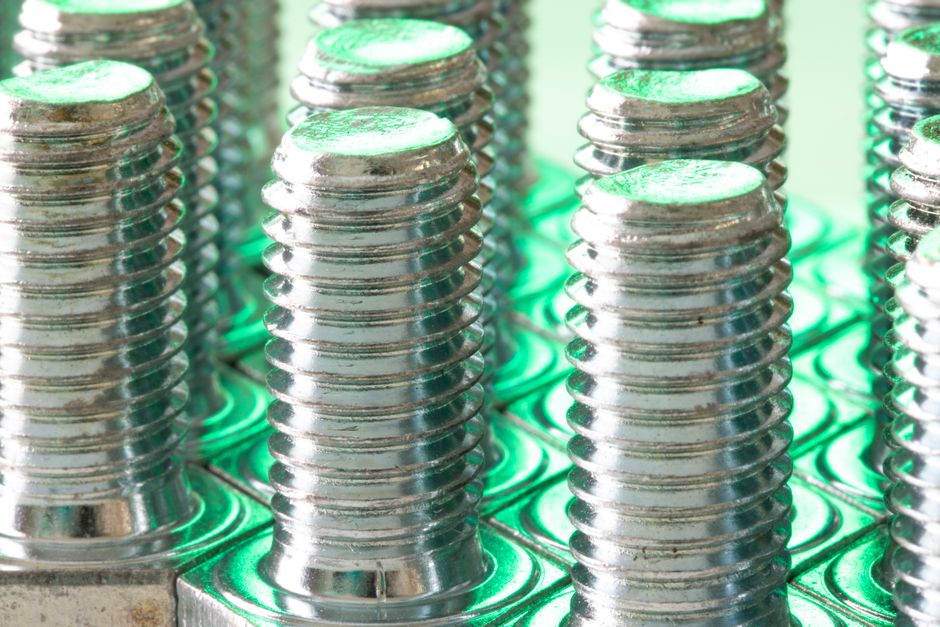
What Are Threaded Rods?
Threaded rods, also known as stud bolts or all-thread rods, are cylindrical bars manufactured from steel, stainless steel, aluminum, or other alloys with helical threads cut or rolled along their complete length. Unlike conventional bolts that have a head on one end, threaded rods feature threading from end to end, allowing nuts to be threaded from either direction. This design provides infinite adjustability in length, making threaded rods ideal for applications requiring precise spacing between connected components. The ISO 898 standard defines mechanical properties for carbon and alloy steel fasteners, which applies to many threaded rod specifications.
The primary function of threaded rods is to create strong, removable connections in structural and mechanical assemblies. Construction professionals use these rods for concrete anchoring, ceiling grid installation, and structural steel connections where vibration resistance and load distribution are critical factors. Understanding how these components fit into broader fastener systems is essential, and the foundations of technical documentation can help professionals communicate specifications effectively.
Common Types of Threaded Rods
Threaded rods are categorized by thread type, grade classification, and intended application environment. Selecting the appropriate type ensures compatibility with mating hardware and performance longevity.
Coarse Thread vs. Fine Thread Rods
Coarse thread threaded rods feature larger pitch dimensions and are the industry standard for most general-purpose applications. Fine thread rods provide superior clamping force and are preferred for applications subject to dynamic loads or requiring fine adjustment. Coarse and fine thread options serve different engineering requirements based on the specific load characteristics and adjustment precision needed.
Grade Classifications
Threaded rods are manufactured to specific grade standards that determine their tensile strength, yield strength, and suitability for different service conditions. Grade B7 threaded rods, made from chromium-molybdenum alloy steel, are heat-treated to achieve excellent strength for high-pressure and high-temperature applications in petrochemical and power generation industries. Grade 2 rods offer good strength at lower cost for non-critical applications. B7 threaded rods meet ASTM A193 specifications and are widely used in demanding environments where corrosion resistance and strength retention at elevated temperatures are essential.
Stainless Steel Threaded Rods
Stainless steel threaded rods provide superior corrosion resistance for outdoor, marine, and chemical processing applications. Type 304 stainless steel offers excellent resistance to oxidation and many corrosive chemicals, while Type 316 provides enhanced resistance to chlorides and seawater exposure. These rods maintain structural integrity in environments where carbon steel alternatives would corrode and fail prematurely.
Threaded Rod Sizes and Specifications
Threaded rod dimensions follow standardized sizing systems that ensure compatibility with corresponding nuts, washers, and mating threaded components. Understanding these specifications prevents costly ordering errors and installation problems.
Metric Sizes
Metric threaded rods range from M3 to M72 in diameter, with thread pitches defined by ISO metric thread standards. Common construction sizes include M10, M12, M16, M20, M24, and M30, each with standardized thread pitches for coarse and fine series. Metric specifications define the relationship between diameter, pitch, and tolerance classes for proper fit with metric nuts and hardware.
Imperial Sizes
Imperial threaded rods are measured in inches and commonly available in diameters from 1/4 inch to 4 inches. UNC (Unified National Coarse) threads are standard for most applications, while UNF (Unified National Fine) threads offer higher clamping force for specialized uses. Thread count per inch varies by diameter, with common sizes including 1/4-20, 3/8-16, 1/2-13, 5/8-11, and 1-8 UNC threads.
Length Options
Standard threaded rod lengths typically range from 3 feet to 12 feet, though custom lengths are available from manufacturers. Rods can be cut to exact specifications on-site using power saws or band saws equipped with metal-cutting blades. Various fastener options including threaded rods are manufactured to specific lengths to meet project requirements.

Materials and Coatings
The material composition and surface treatment of threaded rods directly impact their corrosion resistance, strength characteristics, and service life in specific environments. Selecting the appropriate material prevents premature failure and reduces maintenance costs.
Carbon Steel Threaded Rods
Carbon steel threaded rods offer the best combination of strength and cost-effectiveness for indoor applications where corrosion exposure is minimal. These rods can be supplied with various coatings to enhance corrosion resistance for outdoor or industrial environments. High-strength steel fasteners including threaded rods meet rigorous mechanical property requirements for structural applications.
Stainless Steel Alloys
Stainless steel threaded rods are essential for applications requiring resistance to rust, staining, and chemical attack. Grade 304 stainless steel provides excellent corrosion resistance for general indoor and outdoor applications. Grade 316 stainless steel, with its added molybdenum content, offers superior performance in chloride-rich environments such as coastal installations and swimming pool facilities.
Coatings and Finishes
Surface coatings extend the service life of carbon steel threaded rods in corrosive environments. Common coatings include zinc plating for moderate corrosion protection, hot-dip galvanizing for severe service conditions, and specialized coatings such as Dacromet or Geomet for enhanced performance. Washers and hardware should be selected with compatible coatings to prevent galvanic corrosion between dissimilar metals.
Applications of Threaded Rods
Threaded rods serve critical functions across numerous industries and applications where adjustable, high-strength fastening is required. Their versatility makes them essential components in both temporary and permanent installations.
Construction and Structural Applications
In building construction, threaded rods are used for anchoring structural steel columns to concrete foundations, suspending ceiling grids, and creating structural moment connections. Threaded rods embedded in concrete with appropriate anchorage plates provide uplift resistance for steel frame buildings in high-wind regions.
Mechanical and Equipment Installation
Mechanical contractors use threaded rods extensively for pipe hanging, ductwork support, and equipment mounting in commercial and industrial facilities. The adjustability of threaded rods allows precise alignment during installation and accommodates thermal expansion and contraction in piping systems.
Infrastructure and Utilities
Infrastructure projects utilize threaded rods for bridge bearing adjustment, utility pole grounding connections, and highway sign structure installations. These applications demand high strength and long-term durability to withstand environmental exposure and dynamic loads. Following accessibility guidelines ensures these installations meet standards for public safety and usability.
Selecting the Right Threaded Rod
Proper threaded rod selection requires evaluating multiple factors including load requirements, environmental conditions, and compatibility with existing hardware. Following a systematic selection process prevents application failures and ensures cost-effective solutions.
Consider these critical factors when specifying threaded rods:
- Diameter and thread specification must match mating nuts and hardware
- Grade or strength class must meet or exceed application load requirements
- Material and coating must provide adequate corrosion resistance for the service environment
- Length must accommodate connection geometry and any required adjustability
- Certification and traceability documentation for critical applications
Hex nuts and associated hardware should be selected to match the threaded rod grade and material for proper load distribution and connection performance.
Installation Best Practices
Proper installation techniques ensure threaded rod connections perform as designed throughout their service life. Attention to detail during installation prevents common problems that compromise connection strength and reliability.
- Verify rod length and thread condition before installation
- Use appropriate washers under nut heads to distribute load
- Apply proper torque values using calibrated torque wrenches
- Install locking nuts or thread-locking compounds where vibration is present
- Inspect connections periodically for signs of loosening or corrosion
Standards and Compliance
Threaded rods must meet established industry standards that define material requirements, mechanical properties, and dimensional tolerances. These standards ensure consistent quality and performance across manufacturers and applications.
Key standards organizations establish requirements that govern threaded rod manufacturing and application:
- ASTM A193 covers alloy steel and stainless steel bolting materials for high-temperature service
- ASTM F1554 specifies requirements for anchor bolts intended for anchoring structural supports
- ISO 898 defines mechanical properties of fasteners made from carbon steel and alloy steel
For more information on fastener standards and specifications, consult resources from the Google Search documentation to find authoritative technical references and industry guidelines. Additionally, organizations like the National Institute of Standards and Technology provide guidance on quality management and compliance frameworks relevant to fastener manufacturing and supply chain practices.
Frequently Asked Questions
What is the difference between a threaded rod and a stud bolt?
Threaded rods and stud bolts are often used interchangeably, but technically a stud bolt has threads on both ends with an unthreaded section in the middle, while a threaded rod has threads along its entire length.
How do I determine the correct grade of threaded rod for my application?
Match the threaded rod grade to your load requirements and service conditions. Use Grade B7 for high-temperature applications, Grade 316 stainless for corrosive environments, and standard carbon steel for indoor applications with appropriate coatings for outdoor exposure.
Can threaded rods be cut to custom lengths?
Yes, threaded rods can be cut to any desired length using metal-cutting saws. After cutting, inspect the threads and remove any burrs or damage to ensure proper nut engagement.
What size threaded rod do I need for a specific application?
Calculate the required diameter based on load requirements using engineering formulas or consult applicable codes. The thread size must match the nuts and hardware being used.
How do I prevent threaded rods from loosening in vibrating applications?
Use locking nuts, thread-locking adhesives, or spring washers to prevent loosening. Regular inspection and re-torquing according to maintenance schedules maintains connection integrity in vibrating environments.