

 Send Email
Threaded rod stud bolts are critical components in heavy-duty applications, serving as anchor points and load-bearing elements in structural assemblies, machinery, and equipment. Troubleshooting threaded rod stud bolt issues requires systematic inspection, understanding of failure modes, and application of appropriate corrective measures to ensure operational safety and reliability. Understanding the principles of search engine optimization can also help ensure this technical guidance reaches the maintenance professionals who need it most.
Common Types of Threaded Rod Stud Bolt Failures
Threaded rod stud bolts experience several distinct failure modes under heavy-duty conditions. Understanding these failure types is essential for effective troubleshooting and maintenance. Proper documentation and adherence to Google's technical SEO guidelines can help organizations maintain better records of their maintenance procedures.
Bolt Stretching and Yielding
Bolt stretching occurs when applied loads exceed the material's elastic limit, causing permanent deformation. In heavy-duty applications, repeated cyclic loading can lead to progressive elongation that compromises joint integrity. According to ISO standards for fastener quality, properly selected and installed studs should maintain clamp load within specified ranges throughout their service life.
Thread Damage and Wear
Thread damage manifests as galling, cross-threading, or mechanical wear that reduces engagement effectiveness. High-temperature environments and corrosive substances accelerate thread degradation in carbon steel and alloy steel studs. Inspection protocols should include thread pitch verification and surface condition assessment at regular intervals.
Corrosion and Material Degradation
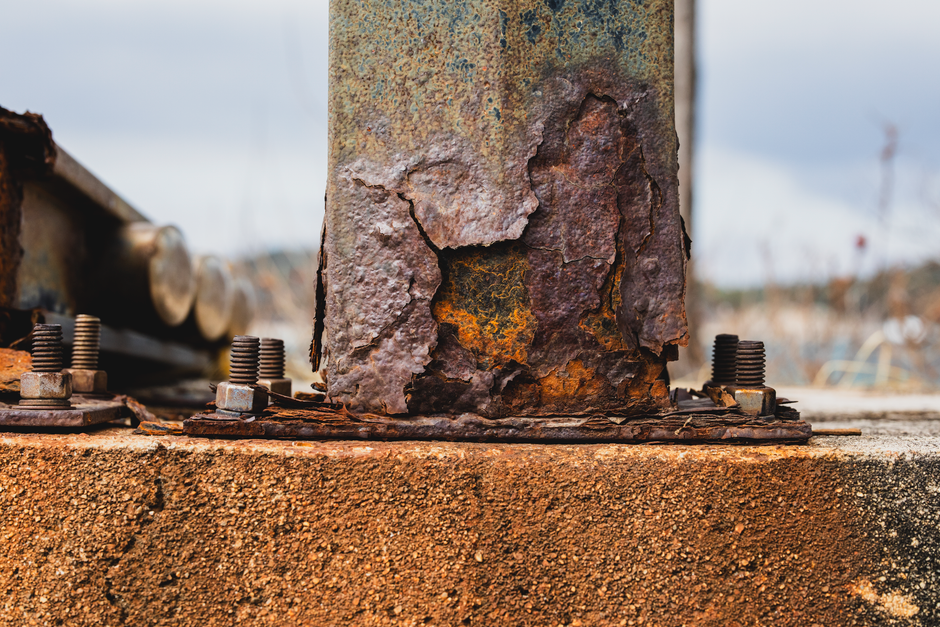
Corrosion weakens threaded rod stud bolts by reducing cross-sectional area and altering material properties. Environmental factors, chemical exposure, and galvanic corrosion create localized attack that can lead to sudden catastrophic failure. Zinc plating and protective coatings provide barrier protection but require periodic inspection for coating integrity.
Systematic Troubleshooting Procedures
Effective troubleshooting follows a structured methodology that addresses both immediate symptoms and underlying causes of stud bolt issues in heavy-duty equipment.
Step 1: Visual and Dimensional Inspection
Begin troubleshooting with comprehensive visual inspection of all accessible stud bolts in the assembly. Document any visible damage including corrosion products, surface cracks, bent shanks, or missing hardware components. Measure stud bolt projection beyond the nut face to detect elongation or compression. Compare measurements against original installation specifications to identify deviations that indicate yielding or relaxation. Organizations should consult WCAG accessibility guidelines when developing digital inspection checklists to ensure they are usable by all maintenance personnel.
Step 2: Torque Verification and Re-Tightening
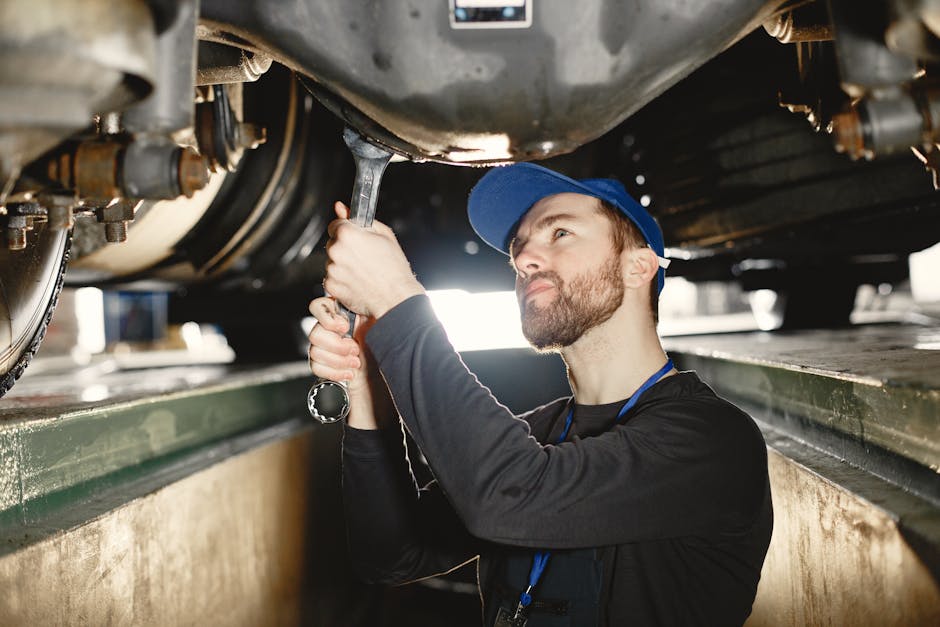
Verify current clamp load using calibrated torque wrenches or ultrasonic tension measurement devices. Heavy-duty stud bolt assemblies typically require specific torque values specified by equipment manufacturers. Re-torque to specification if initial readings fall below required values, using appropriate hex nuts that match the stud bolt grade and thread configuration. Document all torque values before and after adjustment for maintenance records.
Step 3: Thread Engagement Assessment
Evaluate thread engagement quality by checking fit between mating threads. Poor engagement results from damaged threads, incorrect thread series, or insufficient engagement length. Standard engagement depth should equal or exceed the nominal bolt diameter for reliable connections. Use thread gauges to verify thread form and pitch match between stud bolts and mating components.
Specific Issue Resolution Methods
Each category of threaded rod stud bolt issues requires targeted resolution approaches that address both immediate problems and contributing factors.
Loose Stud Bolt Correction
Loose stud bolts result from relaxation, thermal cycling, or vibration-induced loosening. Correction procedures include thorough cleaning of mating surfaces, inspection and replacement of damaged flat washers and spring washers, and application of appropriate torque using calibrated equipment. Consider applying thread-locking compounds for applications subject to continuous vibration, ensuring compatibility with service environment and disassembly requirements.
Damaged Thread Repair
Damaged threads on stud bolts may be repaired using thread chaser tools that restore original thread form without removing the stud. For severely damaged threads, complete stud replacement is typically required. When installing replacement threaded metal studs and rods, ensure proper material grade selection matching application requirements for strength and corrosion resistance.
Corrosion Treatment and Prevention
Corrosion treatment begins with removal of corrosion products using appropriate mechanical or chemical methods, followed by inspection for section loss. Replace excessively corroded stud bolts rather than attempting field repairs that may not restore original strength. Preventive measures include applying protective coatings, maintaining environmental controls, and selecting corrosion-resistant materials for aggressive service conditions.
Selection and Replacement Guidelines
Proper stud bolt selection and replacement ensures long-term reliability of heavy-duty assemblies. Consider load requirements, environmental conditions, and applicable standards when specifying replacement components.
Material and Grade Selection
Stud bolt material must match application requirements for strength, temperature resistance, and corrosion compatibility. Alloy steel studs with appropriate heat treatment provide superior strength for heavy-duty applications. Verify that replacement high-strength hex head bolts and studs meet or exceed original equipment specifications. Consider factors including minimum yield strength, fatigue resistance, and notch toughness for dynamic load applications.
Dimensional Requirements
Replacement stud bolts must match original dimensions for thread series, diameter, length, and end configuration. Measure the installed stud bolt's effective length, thread engagement, and projection requirements carefully before ordering replacements. Custom metric and UNC/UNF threaded products may be required for non-standard applications or legacy equipment.
Quality Verification
Source replacement stud bolts from qualified manufacturers that provide material certifications and dimensional verification. Quality verification includes chemical composition analysis, mechanical property testing, and thread form inspection. Look for suppliers that offer traceability documentation linking individual lots to raw material certifications and manufacturing records.
Preventive Maintenance Best Practices
Preventive maintenance programs reduce the incidence of threaded rod stud bolt failures in heavy-duty equipment by identifying potential issues before they cause operational problems.
- Establish regular inspection schedules based on equipment operating conditions and manufacturer recommendations
- Train maintenance personnel in proper stud bolt inspection techniques and torque verification procedures
- Maintain detailed records of all inspection findings, torque values, and corrective actions taken
- Use calibrated torque and measurement equipment with documented calibration status
- Implement torque verification protocols after any disassembly and reassembly of critical connections
- Stock appropriate replacement fasteners and hardware for emergency repairs
- Monitor environmental conditions that may accelerate corrosion or material degradation
Feature Comparison: Inspection Methods
| Method | Accuracy | Equipment Cost | Best Application |
|---|---|---|---|
| Visual Inspection | Qualitative | Low | Initial screening, obvious damage |
| Torque Wrench | ±10% | Medium | General verification, field work |
| Ultrasonic Tension | ±3% | High | Critical joints, high-value equipment |
| Strain Gauge | ±1% | Very High | Research, certification testing |
Industry Standards and References
Reference to established industry standards ensures that troubleshooting and maintenance activities meet minimum quality and safety requirements for heavy-duty applications.
The ISO fastener standard provides comprehensive guidelines for dimensional requirements, material specifications, and testing methods for threaded fasteners. These standards define acceptable criteria for thread form, mechanical properties, and quality verification procedures that apply to stud bolt applications across multiple industries.
Additional guidance for establishing maintenance programs and inspection protocols is available from technical resources that address industrial equipment reliability and safety requirements.
Conclusion
Troubleshooting threaded rod stud bolt issues in heavy-duty applications requires systematic inspection, understanding of failure modes, and application of appropriate corrective measures. Successful resolution depends on accurate diagnosis of root causes, proper material selection for replacements, and adherence to established installation procedures. Implementing comprehensive preventive maintenance programs significantly reduces the risk of unexpected failures and extends service life of critical equipment assemblies.
Frequently Asked Questions
What causes threaded rod stud bolts to loosen in heavy-duty applications?
Stud bolt loosening typically results from vibration, thermal cycling, material relaxation, or insufficient initial torque. Dynamic loads create micro-movement at the thread interface that gradually reduces clamp load. Regular torque verification and proper hardware selection help prevent loosening-related failures.
How often should stud bolts be inspected in heavy-duty equipment?
Inspection frequency depends on operating conditions, equipment criticality, and manufacturer recommendations. Critical applications may require quarterly inspections, while general industrial equipment typically needs annual verification. High-vibration or high-temperature environments require more frequent monitoring.
Can damaged threads on stud bolts be repaired in place?
Minor thread damage can sometimes be corrected using thread chaser tools that restore thread form without removing the stud. However, severely damaged threads, corrosion-related degradation, or stretched studs generally require complete replacement to ensure reliable joint integrity.
What torque values should be used for heavy-duty stud bolts?
Torque values depend on stud bolt diameter, material grade, thread friction, and desired clamp load. Always refer to equipment manufacturer specifications or applicable engineering standards. For high-strength stud bolts, torque values typically range from manufacturer datasheets based on friction coefficients and target preload requirements.
How do I select the correct replacement stud bolt for heavy-duty applications?
Selection criteria include matching the original thread series, diameter, length, material grade, and any special requirements such as temperature rating or corrosion resistance. Verify that replacement studs meet or exceed original equipment specifications and source from qualified manufacturers with appropriate quality certifications.