

 Send Email

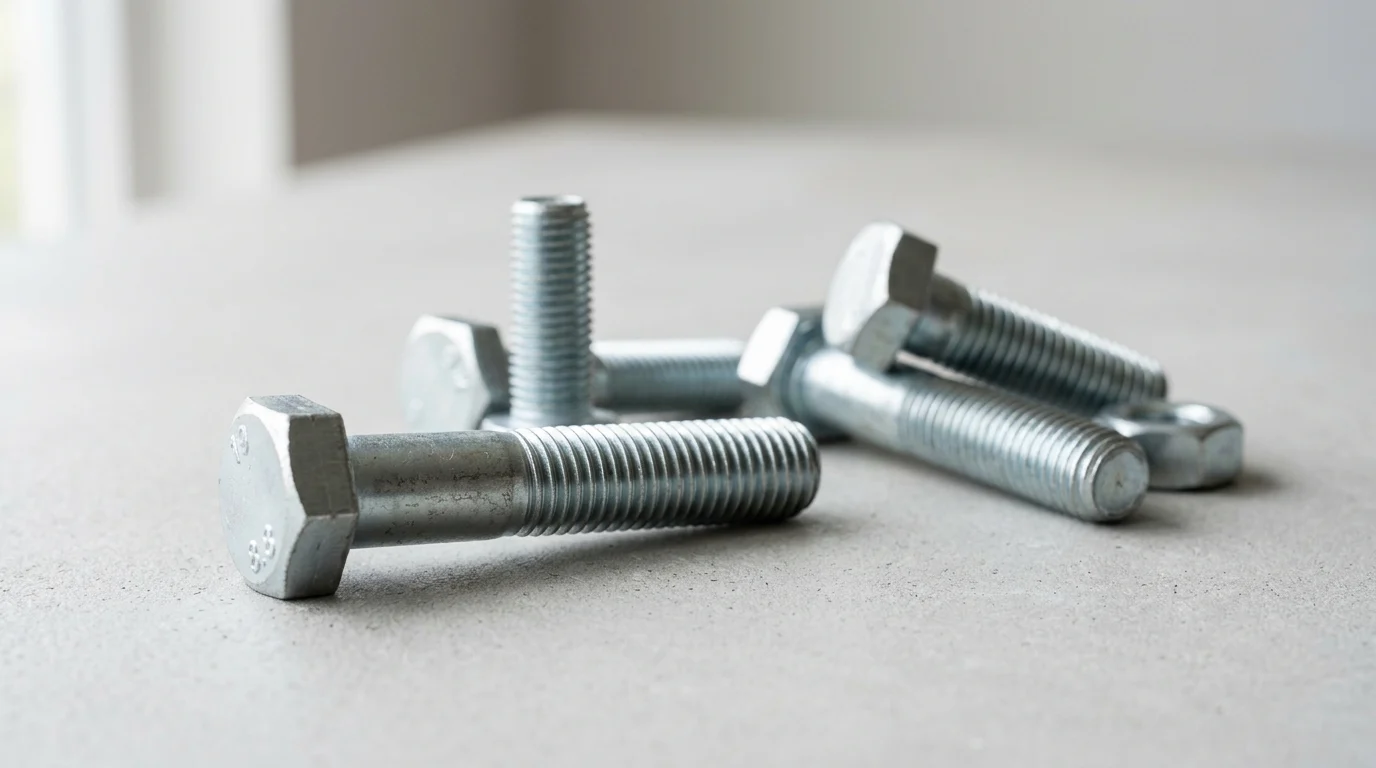
Choosing the right finish for a hex bolt is no longer just a matter of appearance. In precision manufacturing, a few ten-thousandths of an inch can decide whether threads run smoothly or an automated line stops for rework. Black oxide has gained momentum because it offers a rare combination of low dimensional build, clean visual appeal, and practical cost savings. Unlike thicker plated coatings, it converts the steel surface rather than adding a heavy layer, helping preserve engineered tolerances. This article explains why more buyers are specifying black oxide hex bolts, how they compare with common alternatives, and where their performance advantages matter most.
Why Black Oxide Hex Bolts Are Gaining Attention
In the highly competitive fastener industry, component specification is rarely a matter of default choice. Engineers and procurement professionals are constantly evaluating surface treatments to balance cost, performance, and dimensional accuracy. Among these treatments, the black oxide finish has seen a notable resurgence. Industry data points to a steady increase in the adoption of specialized, low-build fastener finishes, with black oxide leading the charge in precision manufacturing sectors.
Unlike heavy protective coatings that fundamentally alter the physical geometry of a fastener, black oxide offers a unique set of metallurgical properties. As supply chains tighten and manufacturing tolerances become increasingly microscopic, the demand for fasteners that can integrate seamlessly into complex assemblies without requiring secondary machining or thread chasing has skyrocketed. This shift highlights why traditional finishes are being re-evaluated and why black oxide is capturing a larger share of the industrial fastener market.
How They Fit Current Industrial Priorities
The primary technical advantage driving the popularity of black oxide fasteners is their exceptional dimensional stability. Modern industrial priorities lean heavily toward precision engineering, where tolerances in automated assembly lines are measured in microns. Traditional electroplating processes, such as zinc or cadmium plating, add material to the substrate. This added layer can range from 0.0002 to 0.0005 inches, which is often enough to cause thread binding or interference in Class 3 fit applications.
In stark contrast, the black oxide process is a chemical conversion, not a deposited coating. It transforms the top layer of the steel into magnetite (Fe3O4), adding a negligible thickness of merely 5 to 10 millionths of an inch (0.000005 to 0.000010 inches). This ensures that the original engineered dimensions of the fastener remain practically unchanged. For industries relying on robotics and high-speed automated fastening, this zero-build characteristic drastically reduces the defect rate caused by cross-threading and torque inconsistencies.
Market Factors Driving Buyer Interest
Beyond technical performance, aggressive market factors are pushing buyers toward black oxide finishes. Cost efficiency remains a dominant driver. Compared to custom electroplating or specialized organic coatings, black oxide processing is generally 15% to 20% less expensive per batch. This cost reduction is particularly impactful for high-volume OEMs in the automotive, appliance, and consumer electronics sectors, where saving fractions of a cent on millions of fasteners translates to substantial bottom-line impact.
Furthermore, aesthetic requirements in industrial design have evolved. There is a growing commercial preference for sleek, non-reflective, dark components in finished goods. Black oxide provides a deep, uniform black appearance that reduces light glare and minimizes visual distraction. This makes it highly desirable for machine tooling, optical instruments, and consumer-facing hardware. The combination of reduced unit cost and visual appeal creates a compelling value proposition for procurement teams.
How Black Oxide Hex Bolts Compare with Other Finishes
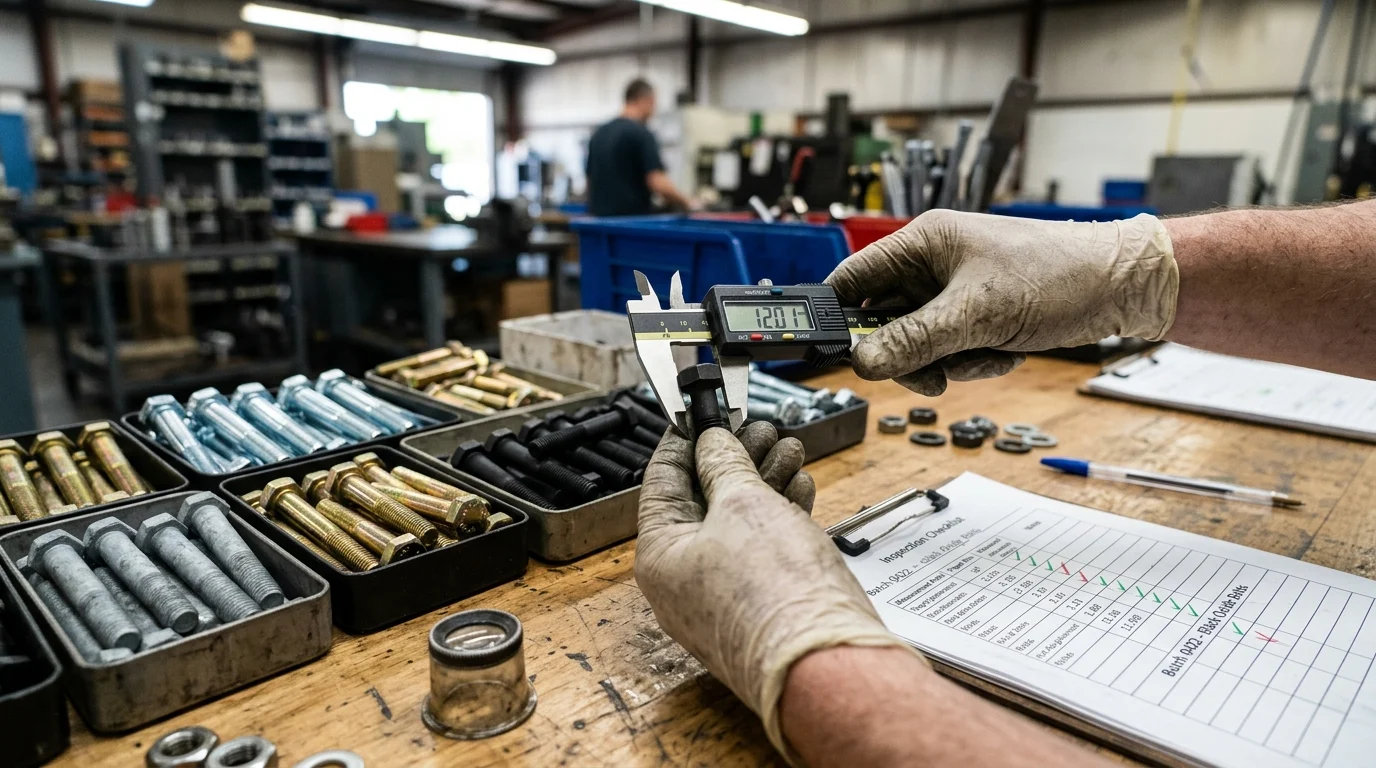
To understand the growing market share of this specific finish, it is essential to compare it directly against the industry's default standards. When specifying Hex Bolts for complex assemblies, engineers must evaluate how surface treatments behave under mechanical stress, environmental exposure, and economic constraints. Black oxide occupies a specific niche that bridges the gap between raw, unprotected steel and heavily plated alternatives.
Black Oxide Conversion Process
The creation of a black oxide finish is a controlled chemical reaction governed by standards such as MIL-DTL-13924. The most common and durable method is the hot black oxide process. Fasteners are submerged in an alkaline aqueous salt solution heated to precise temperatures, typically between 285°F and 290°F (140.5°C to 143.3°C). At this temperature, the iron on the surface of the steel reacts to form a layer of black iron oxide, or magnetite.
Because this is a conversion process rather than a deposition process, the resulting finish cannot chip, peel, or flake off during installation. The microscopic surface of the newly formed magnetite is highly porous. To provide corrosion resistance, the fasteners are immediately quenched and subjected to a supplementary post-treatment, usually involving a specialized water-displacing oil, wax, or lacquer. It is this secondary sealant that dictates the final protective capabilities of the bolt, trapping the lubricant within the crystalline structure of the oxide layer.
Performance Versus Plain and Zinc-Plated Bolts
When compared to plain, uncoated steel bolts, black oxide offers a clear upgrade. Plain steel is highly susceptible to rapid oxidation (flash rusting) even in climate-controlled warehouses. Black oxide, when properly oiled, provides a crucial buffer against ambient humidity, allowing for longer shelf life and better performance in mild indoor environments. Additionally, the retained oil reduces the coefficient of friction, providing inherent lubricity that aids in achieving accurate torque-to-yield ratios during installation.
However, when compared to zinc-plated bolts, the performance trade-offs become prominent. Zinc plating acts as a sacrificial anode, corroding before the underlying steel does, which provides excellent protection against harsh, wet environments. Zinc-plated fasteners can withstand 96 to 120 hours of neutral salt spray testing (ASTM B117) before showing red rust. Black oxide fasteners, relying entirely on their oil sealant, typically withstand only 24 to 100 hours of salt spray depending on the grade of oil used. Therefore, while zinc is superior for outdoor environmental resistance, black oxide avoids the dimensional build-up and the risk of hydrogen embrittlement found in high-strength electroplated bolts.
Finish, Corrosion Resistance, and Cost Comparison
To facilitate easier specification, engineers often rely on comparative data matrices. The following table outlines the key differences between plain, zinc-plated, and black oxide finishes across critical engineering metrics.
| Finish Type | Dimensional Change | Typical Salt Spray Resistance (to Red Rust) | Friction Coefficient Impact | Relative Cost Index (Plain = 1.0) |
|---|---|---|---|---|
| Plain Steel | None | < 2 hours | Baseline | 1.0 |
| Zinc Plated (Clear) | +0.0002" to +0.0005" | 96 - 120 hours | Increased (unless waxed) | 1.3 - 1.5 |
| Black Oxide (Oiled) | +0.000005" to +0.000010" | 24 - 100 hours (oil dependent) | Decreased (Lubricated) | 1.15 - 1.25 |
| Hot-Dip Galvanized | +0.002" to +0.003" | > 500 hours | Highly Variable | 1.8 - 2.0 |
This comparison highlights that black oxide is the optimal choice when strict dimensional tolerances and low friction are prioritized over extreme environmental survivability, all while maintaining a highly competitive cost profile.
Key Specifications and Quality Factors
Specifying the finish is only one part of the engineering equation; ensuring that the underlying fastener meets stringent mechanical and quality requirements is equally vital. The reliability of black oxide hex bolts hinges on strict adherence to international standards, rigorous quality control during the coating process, and comprehensive inspection protocols.
Standards, Grades, and Dimensions
Black oxide surface treatments can be applied to almost any carbon steel or alloy steel fastener. While it can technically be applied to stainless steel, it is rarely specified for these alloys; the process offers minimal visual benefit and no additional corrosion protection over bare stainless. In the realm of hex bolts, standard specifications dictate the physical dimensions and mechanical properties. In the inch system, bolts are typically manufactured to SAE J429 standards, with Grade 5 and Grade 8 being the most common high-strength variants. For metric applications, ISO 898-1 governs the mechanical properties, with Classes 8.8, 10.9, and 12.9 dominating the market.
Because the hot black oxide process operates at roughly 285°F, it falls well below the tempering temperatures of these high-strength steels (which are typically tempered at 800°F or higher). Consequently, the conversion process does not alter the core hardness, tensile strength, or yield strength of the bolt. Furthermore, since the process does not involve electroplating, there is no introduction of atomic hydrogen, effectively eliminating the risk of hydrogen embrittlement—a critical safety factor for structural fasteners.
Coating Uniformity and Oil Sealing
The visual appeal and functional protection of a black oxide fastener depend heavily on coating uniformity. A high-quality finish will appear as a deep, consistent black across the entire surface, including the root of the threads and under the bolt head. Inconsistencies, such as a grayish tint or mottled appearance, often indicate poor surface preparation or depleted chemical baths during manufacturing.
Equally important is the secondary oil sealing process. The specification MIL-C-16173 defines various grades of corrosion preventive compounds. A dry-to-touch wax or a heavy water-displacing oil may be specified depending on the end-user's handling requirements. If the oil sealant is applied unevenly, the porous magnetite layer is left exposed to ambient moisture, leading to rapid localized oxidation. Quality manufacturers utilize centrifugal spinning after oil dipping to ensure an even, thin film of lubricant.
Inspection Steps for Quality Verification
To verify quality, procurement and engineering teams utilize several standardized inspection steps. The most common initial check is the "smut test." Inspectors vigorously rub the surface of the black oxide bolt with a clean white cloth. A minor trace of light gray residue is acceptable, but heavy black soot indicates a powdery, unreacted finish (smut), which is a sign of improper bath temperatures or chemical imbalances.
Visual inspection under bright light is also mandatory to check for reddish-brown spots, which indicate flash rusting prior to the oil application. Finally, torque-tension testing is frequently performed. Because the oil finish acts as a lubricant, the K-factor (nut factor) of an oiled black oxide bolt is significantly lower than that of a dry zinc-plated bolt. Quality assurance teams must verify this K-factor—often finding it between 0.11 and 0.15—to ensure assembly line torque specifications do not result in bolt yielding or failure.
Procurement, Cost, and Logistics Considerations
Procuring black oxide hex bolts involves navigating a unique set of supply chain variables. While the per-unit cost is attractive, buyers must account for broader logistical factors, including minimum order quantities, specialized packaging, and supplier reliability. A holistic approach to procurement ensures that the cost savings achieved at the unit level are not eroded by poor inventory management.
Cost Drivers Beyond Unit Price
The unit price of a black oxide bolt is fundamentally driven by the global steel index and the processing volume. However, secondary cost drivers play a significant role. The chemical baths used in the black oxide process require constant maintenance, chemical replenishment, and hazardous waste disposal for the alkaline solutions. These fixed overheads mean that economies of scale are critical.
Consequently, custom or non-standard black oxide hex bolts typically carry high Minimum Order Quantities (MOQs). Depending on the diameter and length of the bolt, MOQs can range from 10,000 to 50,000 units. Procurement teams must also factor in the cost of the specific post-treatment oil or wax specified; specialized mil-spec dry-to-touch waxes can increase the finishing cost by up to 10% compared to standard water-displacing oils.
Lead Times, Packaging, and Inventory Planning
Logistics and inventory planning for black oxide fasteners require strict environmental controls. Standard lead times for newly manufactured batches generally span 4 to 8 weeks. However, the transit and storage phases introduce the highest risk to product integrity. Because black oxide relies on a micro-layer of oil for protection, the fasteners are highly vulnerable to high humidity and temperature fluctuations during shipping.
To mitigate this, premium suppliers mandate the use of Vapor Corrosion Inhibitor (VCI) packaging. VCI bags or lined boxes release protective molecules that settle on the metal surfaces, providing an invisible barrier against moisture. Buyers must plan their inventory storage accordingly; black oxide bolts should be kept in climate-controlled facilities where relative humidity (RH) is strictly maintained below 60%. Storing these fasteners in open bins in a humid warehouse will inevitably lead to rust.
Supplier Comparison and Sample Evaluation
Evaluating suppliers for black oxide fasteners goes beyond comparing line-item quotes. The chemical sensitivity of the process means that a supplier's quality control infrastructure is paramount. A minor deviation in bath temperature or salt concentration can result in a defective batch. Procurement teams should request detailed process control plans from potential vendors, specifically looking for automated temperature regulation.
Sample evaluation is a critical step in the supplier onboarding process. Buyers should request a production-intent sample to conduct internal testing. This evaluation should include the smut test, a 24-hour humidity chamber test to verify the integrity of the oil seal, and a torque-tension test to establish the exact K-factor of the supplier's chosen lubricant. By validating these parameters upfront, buyers can confidently integrate the supplier without risking assembly line disruptions.
When to Choose Black Oxide Hex Bolts
Ultimately, the decision to specify black oxide hex bolts comes down to aligning the fastener's metallurgical properties with the specific demands of the application. Engineers must weigh the benefits of dimensional accuracy, high-strength integrity, and cost against the limitations of environmental durability. By employing a structured decision-making framework, teams can optimize their fastener selection for both performance and budget.
Best-Fit Applications
Black oxide hex bolts excel in applications where precision, strength, and aesthetics intersect in controlled environments. They are the premier choice for internal machinery components, such as gearboxes, automated assembly tooling, and hydraulic manifolds, where clearance tolerances are exceptionally tight and any coating buildup would cause interference. The finish's inherent lubricity also makes it ideal for tapped blind holes in engine blocks and industrial pumps.
Furthermore, black oxide is a staple in the firearms industry, optical equipment manufacturing, and architectural fixtures where light reflection must be minimized. Thermally, the finish itself is highly stable; it will not degrade, outgas, or change color at elevated temperatures up to 400°F (204°C). However, engineers must note that this stability applies strictly to the coating—the underlying bolt's mechanical properties may still be affected by high heat depending on its specific steel grade.
When to Consider Alternative Finishes
Despite its advantages, black oxide is explicitly the wrong choice for applications involving continuous outdoor exposure, marine environments, or high-corrosion chemical plants. If a fastener is subjected to rain, road salt, or high-acidity environments, the thin oil barrier will rapidly wash away, leading to aggressive oxidation of the carbon steel substrate.
In scenarios demanding robust environmental protection, engineers must pivot to alternative finishes. For standard outdoor construction or automotive undercarriage applications, hot-dip galvanized steel or heavy zinc-nickel plating is required, offering upwards of 500 to 1,000 hours of salt spray resistance. If the application demands zero corrosion and zero coating build-up, transitioning to 300-series or 400-series stainless steel fasteners is the industry standard.
Decision Matrix for Buyers and Engineers
To synthesize these variables, procurement teams and design engineers can utilize a decision matrix to standardize their specification process. The following matrix correlates application constraints with the recommended fastener finish.
| Application Environment | Tolerance Requirement | Aesthetic / Glare Need | Recommended Finish |
|---|---|---|---|
| Indoor, Climate Controlled | Extremely Tight (Class 3) | Low Glare / Black | Black Oxide (Oiled) |
| Indoor/Outdoor Mild | Standard (Class 2) | Metallic / Silver | Zinc Plated (Clear) |
| Outdoor, High Moisture | Loose / Standard | Industrial / Dull Gray | Hot-Dip Galvanized |
| High Heat (>400°F) | Tight | Dark | Black Oxide / Plain |
| Corrosive / Marine | Tight | Bright / Metallic | Stainless Steel (316) |
Looking ahead, as manufacturing tolerances grow tighter and automated assembly becomes ubiquitous, the market trajectory for zero-build finishes remains strong. While emerging thin-film nanocoatings present future competition, black oxide hex bolts currently represent a highly specialized, cost-effective solution that delivers unmatched dimensional stability and high-strength reliability without the risks associated with traditional electroplating.
Key Takeaways
- Choose black oxide hex bolts when tight thread tolerances matter, because the finish adds only about 0.000005 to 0.000010 inches of thickness.
- Compare black oxide against zinc or cadmium plating in precision assemblies, since plated coatings can add roughly 0.0002 to 0.0005 inches and affect fit.
- Use black oxide fasteners in automated assembly lines to help reduce thread interference, torque inconsistency, and cross-threading risks.
- Evaluate black oxide for high-volume OEM purchasing, because batch processing can be about 15% to 20% less expensive than some custom coatings.
- Specify black oxide when a uniform, low-glare black appearance is required for tooling, optical equipment, consumer hardware, or visible machine components.
- Avoid relying on black oxide alone for severe corrosion exposure; add oil or wax sealing or select a more protective coating for harsh environments.
Frequently Asked Questions
What makes black oxide different from zinc plating?
Black oxide is a chemical conversion finish that forms magnetite on the steel surface, while zinc plating deposits an added metal layer. This gives black oxide a much lower build, helping preserve precise bolt dimensions.
Are black oxide hex bolts suitable for precision assemblies?
Yes. Black oxide adds only about 0.000005 to 0.000010 inches of thickness, making it useful for tight-tolerance assemblies, automated fastening, and applications where thread fit must remain consistent.
Why are manufacturers choosing black oxide hex bolts?
Manufacturers value black oxide for its low dimensional impact, uniform dark appearance, and cost efficiency. It can reduce processing costs by roughly 15% to 20% compared with some custom coatings.
Do black oxide hex bolts help prevent thread binding?
They can help because the finish does not significantly increase thread thickness. This reduces the risk of interference, cross-threading, or torque variation in close-fit applications.
Is black oxide mainly an aesthetic finish?
No. While it provides a clean, non-reflective black appearance, its main engineering advantage is dimensional stability. That makes it valuable in precision machinery, tooling, electronics, and automotive assemblies.