

 Send Email
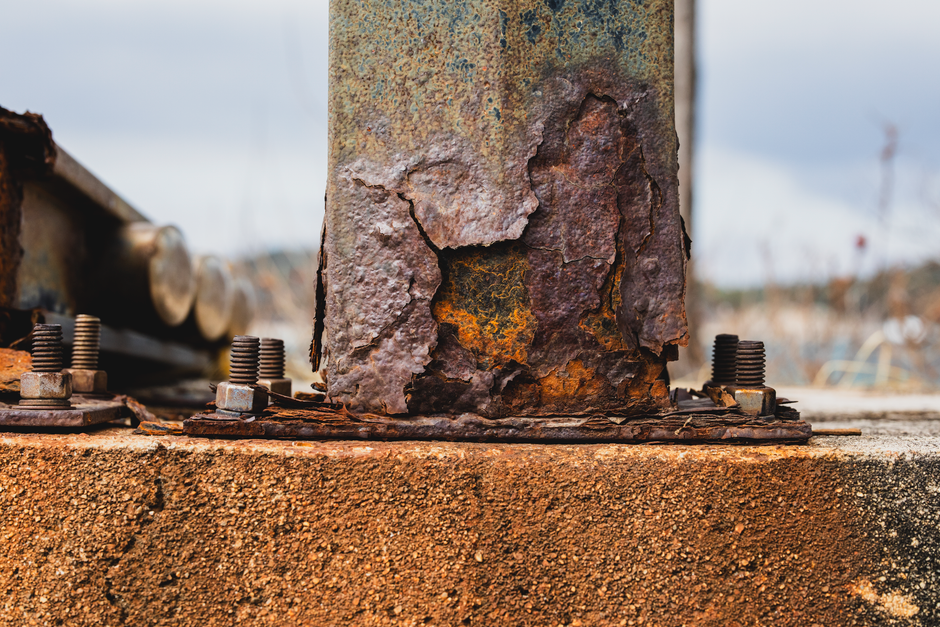
Understanding Marine Corrosion Mechanisms
Marine corrosion occurs through electrochemical reactions accelerated by saltwater, which serves as an excellent electrolyte. The corrosion rate in seawater environments can be 5 to 10 times higher than in atmospheric conditions. Understanding these mechanisms helps engineers select appropriate stud bolt materials that withstand chloride-induced pitting and crevice corrosion.
Galvanic corrosion represents a significant threat when dissimilar metals connect in seawater. Stud bolts made from active metals experience accelerated degradation when paired with noble materials. According to ISO Standards for material selection, designers must consider the galvanic series positioning of all fastener materials in assemblies exposed to marine environments.
Key Material Properties for Marine Stud Bolts
Marine-grade stud bolt materials must demonstrate specific mechanical and chemical properties to ensure long-term performance. The following properties determine material suitability for saltwater applications:
- Minimum 10.5% chromium content for passive film formation
- Pitting resistance equivalent number (PREN) above 40 for critical applications
- Yield strength exceeding 200 MPa at operating temperatures
- Elongation of at least 15% for ductility under stress
- Documented performance in ASTM G48 pitting corrosion tests
Common Stud Bolt Materials for Marine Service
Several material grades offer acceptable corrosion resistance for marine stud bolt applications. Each material presents distinct advantages and limitations regarding strength, cost, and environmental performance.
Type 316 Stainless Steel
Type 316 stainless steel contains 2-3% molybdenum, which significantly improves chloride ion resistance compared to Type 304. This grade provides adequate performance in moderate marine exposure but may experience pitting in长期 saltwater immersion. The material offers good fabricability and maintains structural integrity at temperatures up to 800°C.
Super Duplex Stainless Steel (UNS S32750/S32760)
Super duplex stainless steel combines austenitic and ferritic microstructure, delivering twice the yield strength of conventional austenitic grades. With PREN values exceeding 40, these materials demonstrate excellent resistance to stress corrosion cracking and pitting in seawater. The ISO standard 69487 covers requirements for duplex stainless steel products used in aggressive environments.
Alloy 625 and Alloy 825
Nickel-based alloys provide superior corrosion resistance in the most demanding marine conditions. Alloy 625 offers exceptional strength and oxidation resistance up to 1000°C. Alloy 825 contains titanium stabilization, preventing sensitization during welding operations. These materials suit subsea connections and high-pressure marine systems where failure carries extreme consequences.
Material Comparison for Marine Stud Bolts
The following table summarizes critical parameters for stud bolt material selection in marine environments:
| Material Grade | PREN Range | Yield Strength (MPa) | Max Service Temp (°C) | Relative Cost Index |
|---|---|---|---|---|
| Type 316 SS | 24-28 | 205 | 800 | 1.0x |
| Type 317 SS | 29-33 | 205 | 800 | 1.3x |
| Super Duplex SS | 40-45 | 450 | 300 | 2.5x |
| Alloy 625 | 50+ | 415 | 1000 | 8.0x |
| Titanium Grade 2 | 35+ | 275 | 600 | 12.0x |

Selection Criteria Based on Application Type
Marine stud bolt applications fall into distinct categories requiring different material approaches. Surface vessels experiencing intermittent saltwater exposure perform adequately with Type 316 stainless steel. Offshore platforms in constant immersion demand super duplex or nickel alloy materials.
Splash zone applications present unique challenges where cyclic wet-dry conditions accelerate corrosion rates. Materials selected for splash zone use require enhanced chromium and molybdenum content to maintain passive film stability during alternating exposure. Super duplex stainless steel has demonstrated 15+ year service life in North Sea splash zone testing programs.
Installation and Maintenance Considerations
Proper installation practices extend stud bolt service life regardless of material selection. Thread lubrication reduces galling risk, particularly for stainless steel grades. Controlled torque application prevents overstressing of the fastener material, which could compromise corrosion resistance. Organizations should consult the NIST Cybersecurity Resources for establishing proper documentation and traceability systems.
Regular inspection schedules should include visual assessment for surface discoloration, pitting, or galvanic deposit formation. Remote monitoring systems using electrical resistance probes provide quantitative corrosion rate data for critical marine connections. Maintenance programs should document all material replacements to ensure traceability of fastener specifications.
Environmental Factors Affecting Material Performance
Marine environments vary significantly in corrosivity based on geographic location, water temperature, and pollution levels. Tropical waters with elevated temperatures (above 25°C) accelerate corrosion rates by 30-50% compared to arctic conditions. Chlorination from antifouling systems on vessel hulls creates localized high-chloride zones affecting nearby deck fittings and connections.
Bacterial influenced corrosion occurs in low-velocity or stagnant seawater conditions. Sulfate-reducing bacteria produce hydrogen sulfide, lowering local pH and creating highly aggressive micro-environments. Materials resistant to microbiologically influenced corrosion typically demonstrate superior performance in seawater cooling systems and ballast tank connections.
Stud Bolt Material Selection Checklist
Engineers evaluating stud bolt materials for marine projects should address the following criteria:
- Define maximum chloride concentration and exposure duration for the application
- Calculate galvanic corrosion risk based on material combinations in the assembly
- Determine required PREN value based on crevice geometry and oxygen levels
- Verify material certifications match ASTM, ISO, and project specifications
- Account for welding or heat exposure during installation affecting corrosion resistance
- Establish inspection intervals based on material performance history in similar service
- Document material substitution approvals with updated corrosion analysis documentation
Technical documentation should follow established accessibility standards to ensure all project stakeholders can access critical material specifications. Refer to the W3C Accessibility Guidelines for creating inclusive technical documentation.
Frequently Asked Questions
What is the minimum stainless steel grade for marine stud bolt applications?
Type 316 stainless steel represents the minimum acceptable grade for marine stud bolt use. Type 304 stainless steel lacks sufficient molybdenum content for reliable seawater exposure and will experience premature pitting corrosion in saltwater environments.
How does PREN value relate to marine corrosion performance?
Pitting Resistance Equivalent Number (PREN) predicts a material's resistance to localized corrosion in chloride-containing environments. Higher PREN values indicate better performance. Marine applications typically require PREN above 32, with critical applications demanding values above 40.
Can carbon steel stud bolts be used in marine environments?
Carbon steel stud bolts require protective coatings for marine use and offer limited service life compared to stainless alternatives. Hot-dip galvanizing extends carbon steel fastener life but creates dimensional changes unsuitable for precision connections. Carbon steel should only be considered for temporary marine installations with documented coating maintenance schedules.
What causes stud bolt galling in marine assemblies?
Galling occurs when stainless steel surfaces weld together during threaded engagement under high pressure. The passive chromium oxide layer breaks down during friction, allowing metal-to-metal contact. Anti-seize compounds containing graphite or molybdenum disulfide prevent galling in stainless steel marine stud bolt assemblies.
How often should marine stud bolts be inspected?
Inspection frequency depends on application criticality and environment. Critical offshore connections require quarterly visual inspection and annual ultrasonic thickness testing. Less critical deck hardware may accept annual inspection schedules. Any stud bolt showing visible corrosion, deformation, or loosening should undergo immediate replacement.