- Ningbo Zhongli bolts manufacturing Co., Ltd. +86-574-86587617
- tan@nbzyl.com

Leave Your Message
High-Performance Engineering Fastener Solutions
The Backbone of Industrial Fastening Technology
A stud bolt for engineering is a fully threaded cylindrical rod, typically without a head, designed to be inserted into a tapped hole or used with two nuts — one on each end — to join flanges, pressure vessels, pipelines, and structural assemblies. Unlike conventional bolts, stud bolts provide superior clamping force distribution, making them the preferred fastening solution in high-pressure, high-temperature, and heavy-load environments across global industries.
The most widely used engineering stud bolt standard is ASTM A193 Grade B7, manufactured from chromium-molybdenum alloy steel, offering exceptional tensile strength exceeding 125 ksi. Paired with ASTM A194 Grade 2H heavy hex nuts, these stud bolt assemblies are the gold standard for petrochemical flanges, pressure vessel closures, and reactor connections worldwide.
🔩 Key Engineering Fact: Stud bolts used in ASME B16.5 flange connections must comply with ASTM A193/A194 specifications, ensuring consistent mechanical performance under cyclic loading, thermal expansion, and corrosive environments — critical for safe, long-term plant operation.
Beyond petrochemicals, stud bolts for engineering applications span a remarkable range of sectors: from wind turbine tower foundations and offshore oil platform decks, to nuclear reactor pressure vessels, bridge structural joints, and heavy industrial machinery bases. Their versatility, combined with precise thread tolerance manufacturing, makes them indispensable in modern engineering infrastructure.
Trusted Manufacturing Strength Since 2003
Deep-Dive Sector Analysis — Where Stud Bolts Matter Most
The global stud bolt market is projected to surpass USD 4.2 billion by 2028, driven by accelerating investments in energy infrastructure, industrial automation, and heavy construction. Understanding where and why stud bolts are deployed gives procurement engineers and project managers a decisive advantage in material selection and cost optimization.
Stud bolts conforming to ASTM A193 B7 / B8 are mission-critical in refinery piping flanges, heat exchanger closures, and wellhead assemblies. High-temperature alloy grades resist hydrogen embrittlement and sulfide stress cracking in sour service environments, meeting NACE MR0175 requirements for offshore and onshore facilities.
Turbine casing bolting, generator frame connections, and wind tower foundation anchor bolts rely on high-grade stud bolt assemblies. For wind energy, M36–M72 hot-dip galvanized stud bolts with controlled tightening torque ensure structural integrity across 20+ year service lifespans in harsh coastal environments.
Bridge construction, steel frame buildings, and large-span structures employ EN14399 and ASTM A325/A490 high-strength structural bolts. Stud bolt assemblies in preloaded connections deliver slip-resistant joints that maintain structural performance under dynamic wind and seismic loads per EN 1993 and AISC standards.
Offshore platforms, ship engine foundations, and subsea pipeline connectors demand stud bolts with superior corrosion resistance. Duplex stainless steel and Inconel stud bolts, combined with hot-dip galvanized carbon steel variants, provide reliable clamping in splash zones and fully submerged applications at depths exceeding 3,000 meters.
Reactor pressure vessel studs, coolant loop flanges, and containment structure anchor bolts require traceability, material certification, and hardness verification to nuclear quality assurance standards. Stud bolts in chemical plants must resist aggressive media including concentrated acids, alkalis, and elevated-temperature steam environments.
Mining equipment, press frames, locomotive bogies, and rail fastening systems utilize precision stud bolt assemblies to withstand extreme vibration and impact loading. DIN 931/933 Grade 10.9 and 12.9 stud bolts with thread-locking features prevent loosening under continuous dynamic stress cycles in 24/7 operational environments.
Innovation, Sustainability & Smart Manufacturing
Advanced engineering projects are increasingly adopting intelligent stud bolt systems embedded with strain gauges and wireless sensors. These smart fasteners transmit real-time clamping load data to central monitoring platforms, enabling predictive maintenance and eliminating costly flange leakage incidents in critical process plants. The integration of Industry 4.0 technology into fastener management is expected to grow at 18% CAGR through 2030.
Demand for exotic alloy stud bolts — including Hastelloy C276, Alloy 625, titanium Grade 5, and Super Duplex 2507 — is surging in deep-sea, high-temperature, and highly corrosive applications. These materials offer 3–5× the corrosion resistance of standard stainless steel while maintaining tensile strengths exceeding 900 MPa, opening new frontiers in subsea and aerospace fastening.
Environmental regulations are driving a shift from traditional zinc electroplating toward RoHS-compliant zinc-nickel alloy coatings, mechanical zinc (Geomet/Dacromet), and water-based organic coatings. Hot-dip galvanizing remains dominant for structural applications, while PTFE-based thread coatings are gaining traction in the oil & gas sector for their superior galling resistance and chemical inertness.
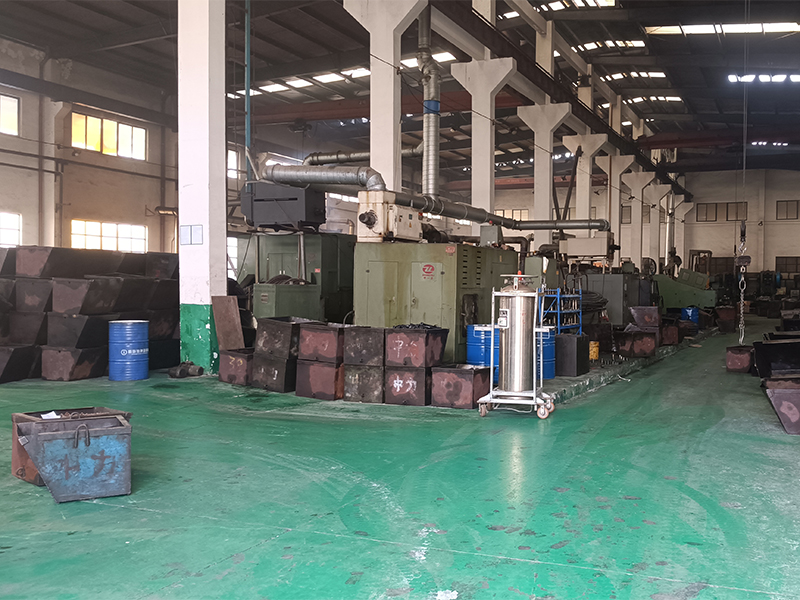
Modern stud bolt manufacturers are investing heavily in fully automated multi-station cold forging lines capable of producing M10–M48 bolts with ±0.05mm dimensional tolerances. Integrated vision inspection systems, automated hardness testing, and statistical process control (SPC) software ensure consistent Grade 8.8, 10.9, and 12.9 mechanical properties across entire production batches, reducing rejection rates to below 0.01%.
The global push toward carbon neutrality is generating unprecedented demand for engineering-grade stud bolts in wind farm foundations, solar tracker structures, hydrogen electrolysis plants, and energy storage facilities. Offshore wind alone is projected to require over 12 million high-strength stud bolt assemblies annually by 2030, creating significant growth opportunities for certified fastener manufacturers with proven quality systems.
Post-pandemic supply chain disruptions have accelerated the trend toward regional fastener sourcing and dual-supplier qualification programs. Engineering procurement contractors (EPCs) now routinely qualify two or more approved stud bolt manufacturers per material grade and size range. Chinese manufacturers with ISO9001, EN15048, and AD2000 certifications are increasingly positioned as reliable primary or backup suppliers for European and North American projects.
ZYL Brand — Full Specification Coverage for Engineering Projects
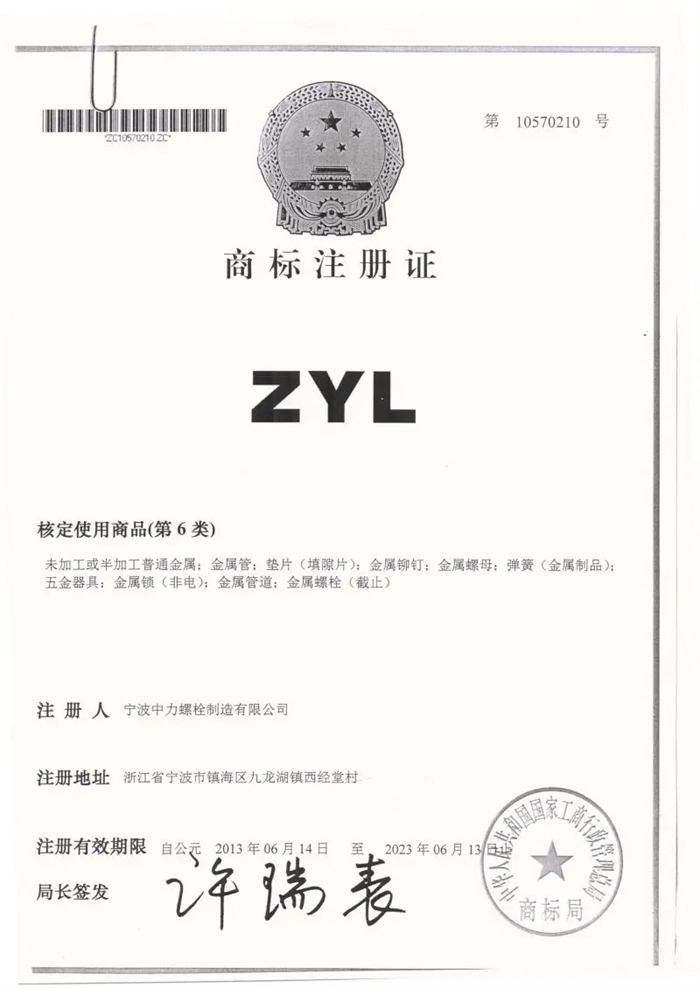
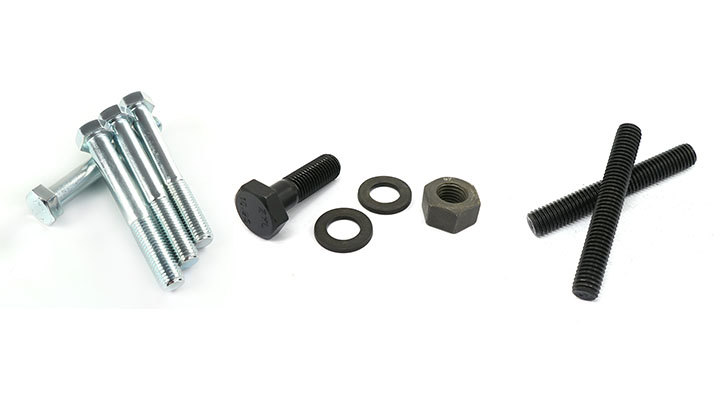
Our main products ZYL brand fasteners include structural hex bolts ASTM A325 type 1, A490, hex head bolts DIN931, DIN933, EN14399, DIN6914, ISO4014, ISO4017 Gr8.8 Gr10.9 Gr12.9, ANSI B18.2.1 UNC and UNF Gr5, Gr8, fine pitch hex bolts DIN960, DIN961 Gr8.8 Gr10.9 Gr12.9, hex socket cap screws DIN912, ISO4762 Gr8.8 Gr10.9 Gr12.9 with surface Black, Zinc plated, Hot dip galvanized. Diameters from M10 to M48, length no limited. Hex Flange bolts DIN6921 Gr8.8 Gr10.9 with serration, thread rod A193 B7 long sizes and short sizes with 2H nuts, stud bolts. We also can supply hex nuts DIN934, DIN6915, plain washers DIN125, DIN126, DIN6916, spring washers DIN127 with Black, Zinc plated and Hot dip galvanized surface.
Our physical and mechanical test results can reach to ISO898-1 for bolts and ISO898-2 for nuts.
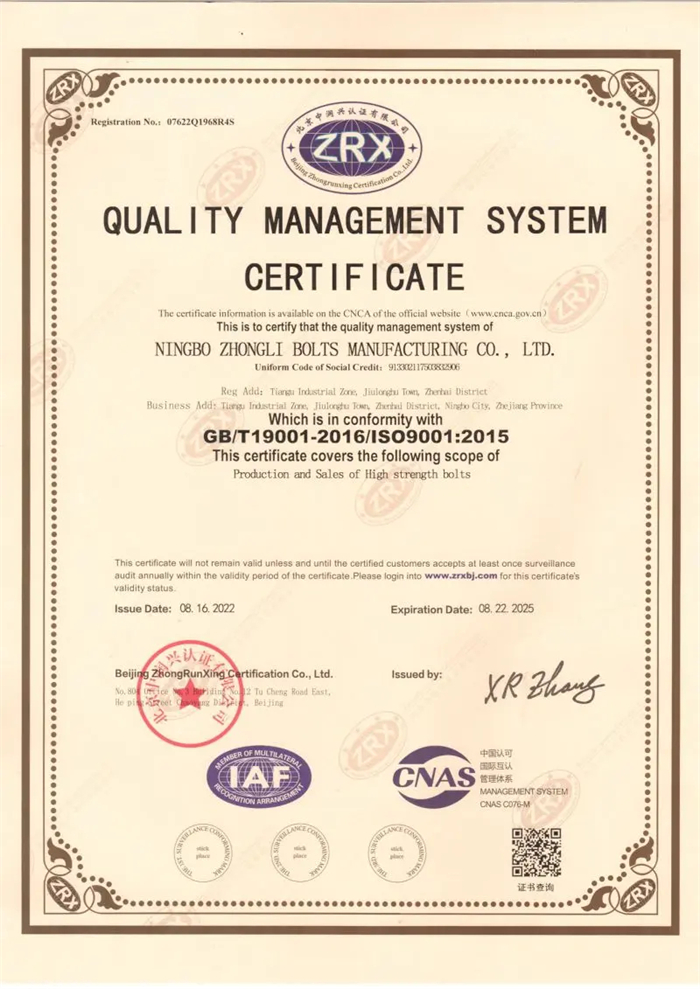
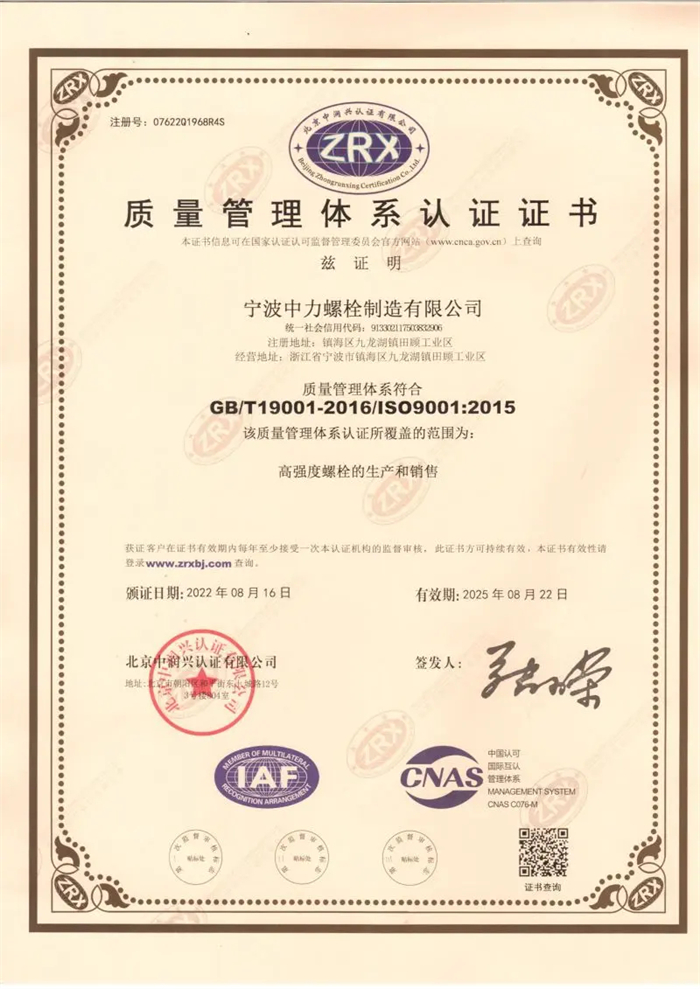
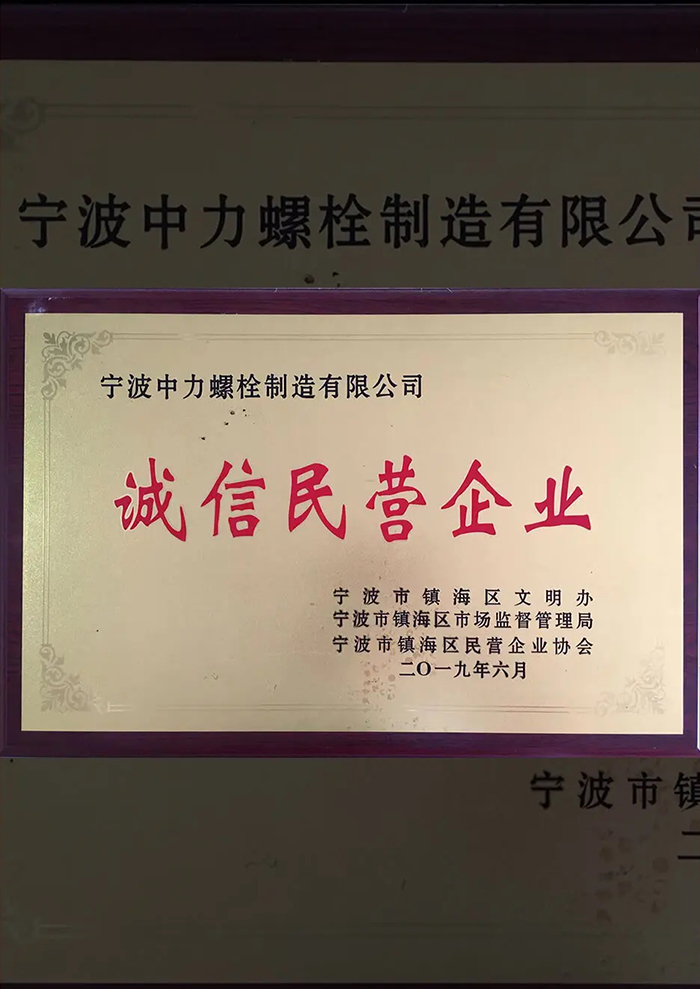
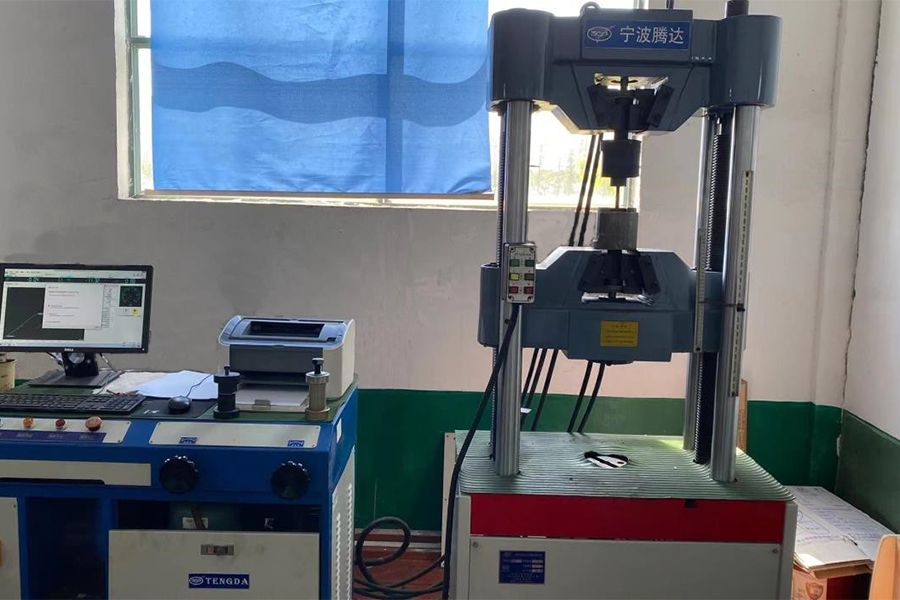
Through scientific management, Ningbo Zhongli Bolts Manufacturing Co., Ltd. obtained ISO9001 certificate of Quality Management System. Quality is the most important for us. We have strict production and inspection equipments to support this point.
We hope to establish business relationship with all over the world, and our business can bring in mutual benefits for both parties.
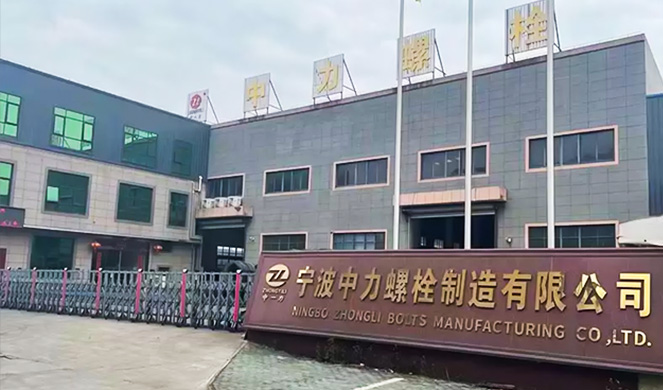
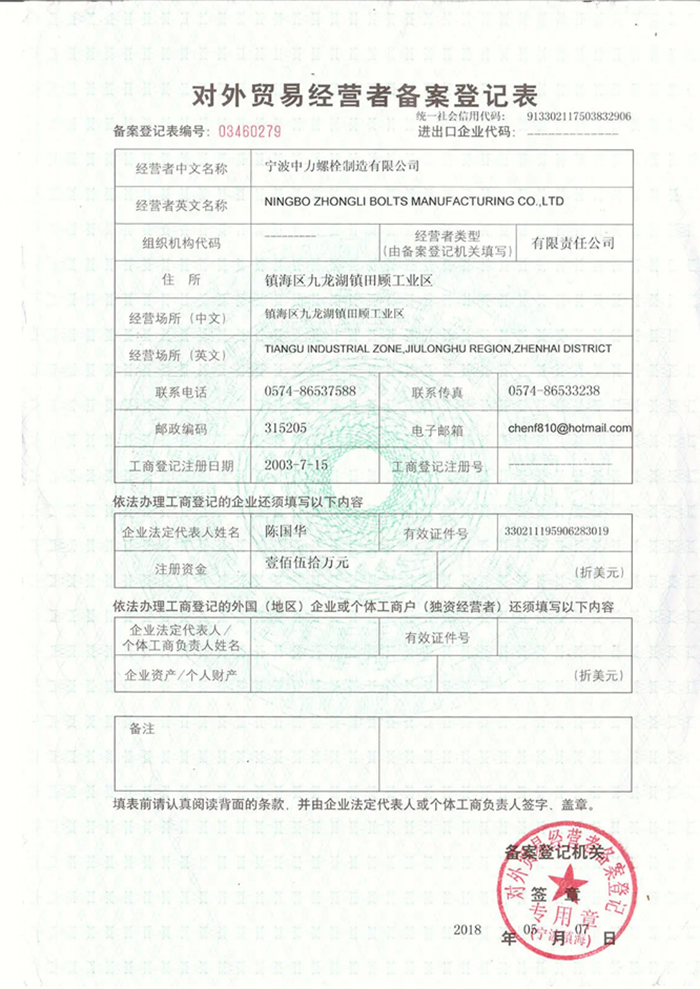
Ningbo Zhongli Bolts Manufacturing Co., Ltd. founded in 2003, is a professional manufacturer of high-strength fasteners in different specifications for various models, which is covering an area of about 10,000 square meters, registered capital of 1,500,000 RMB, with the total annual productivity of 8,000 tons per year.
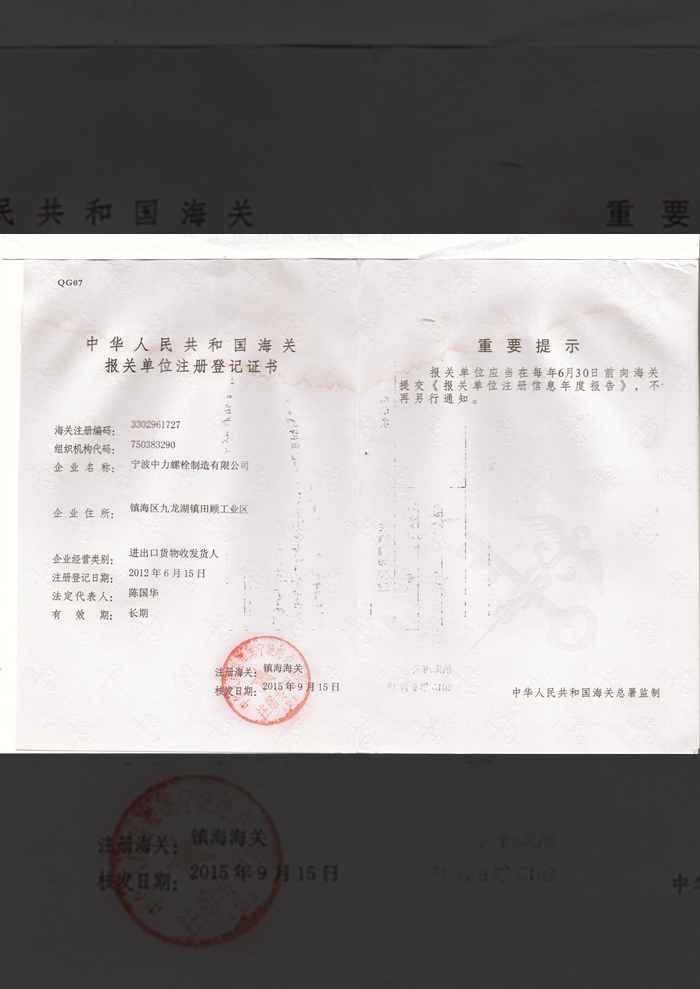
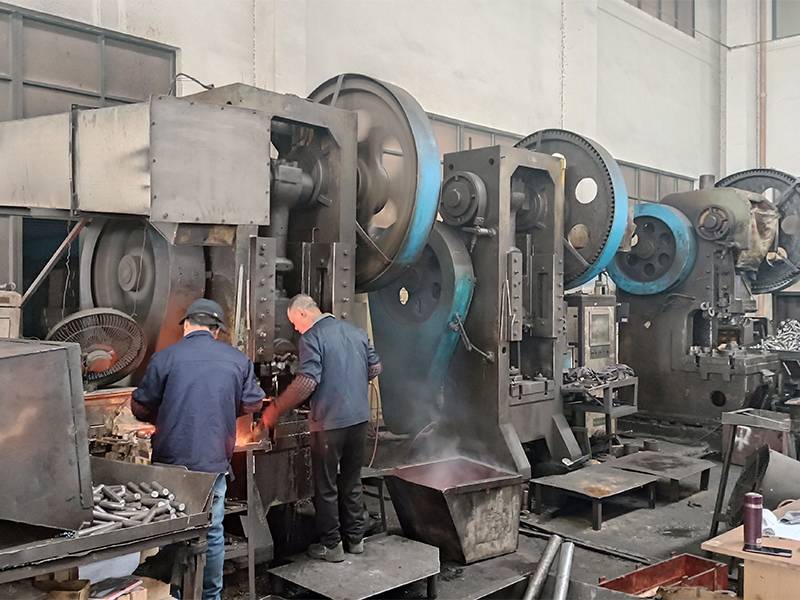
The company has set up several sales branches in different provinces in China. Meanwhile, the company's products are exported to Europe, USA, Middle East, Africa, Southeast Asia and other regions. The company has strong technical ability, complete testing equipments and a variety of fully automatic multi-station cold and hot heading machines, so as to provide you with reliable and high quality products.
Read More About UsFrom Raw Material to Certified Engineering Fastener
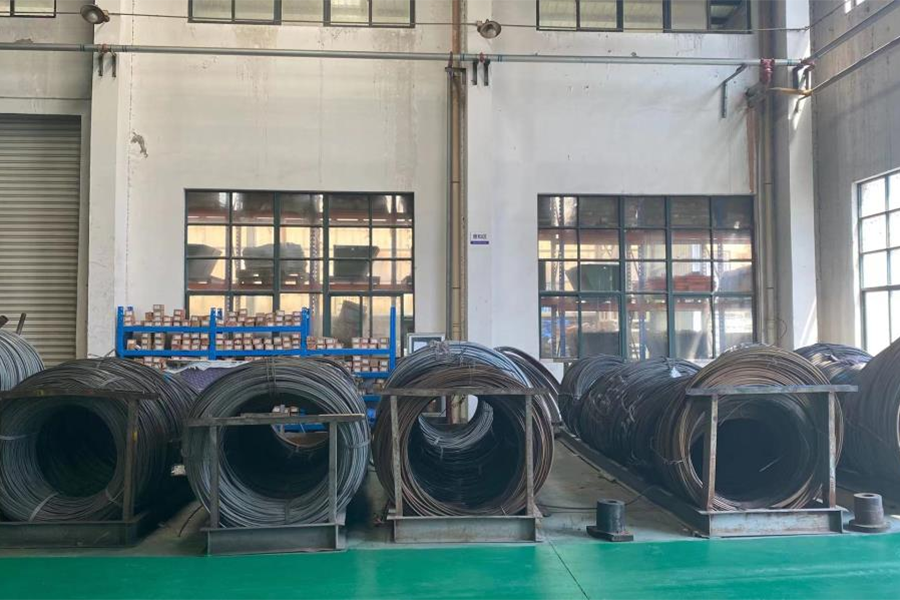
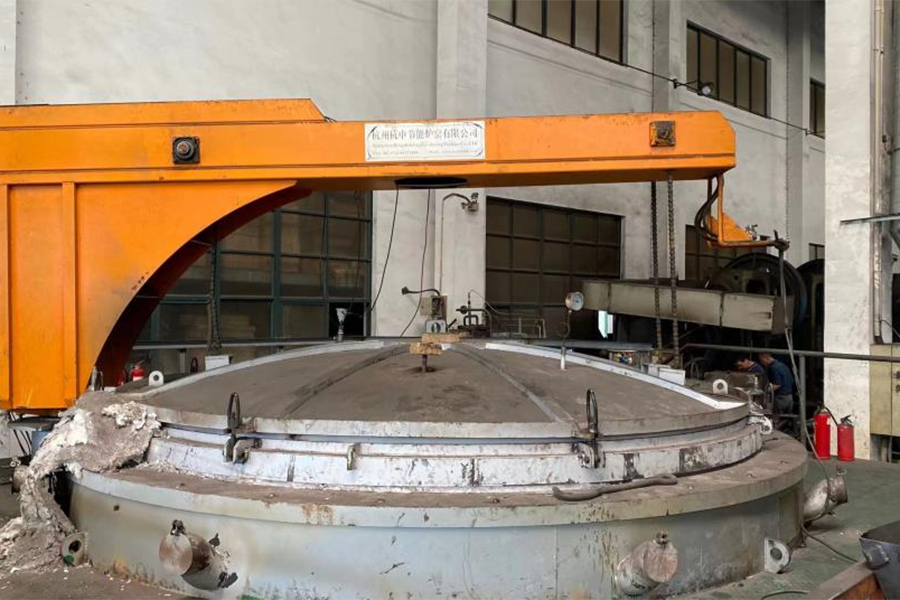
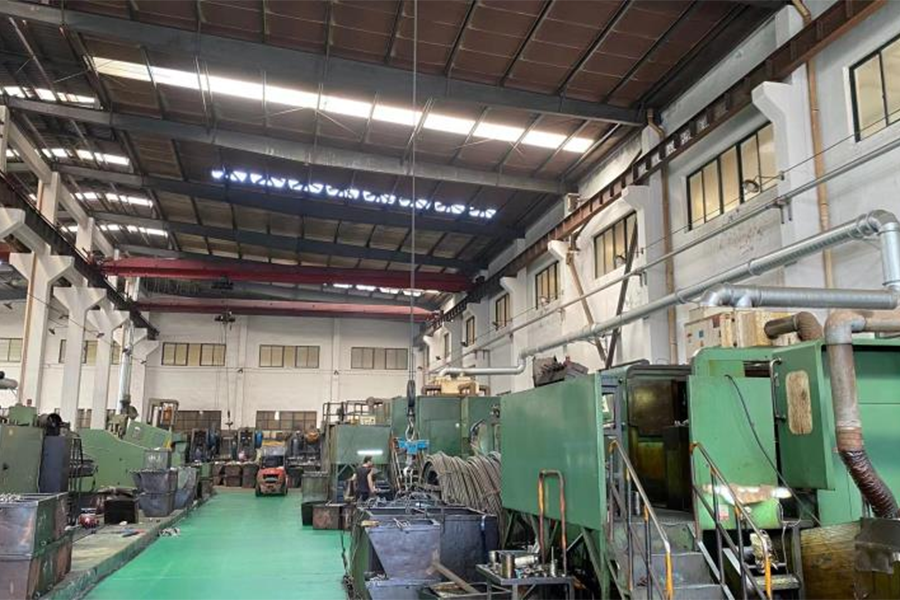
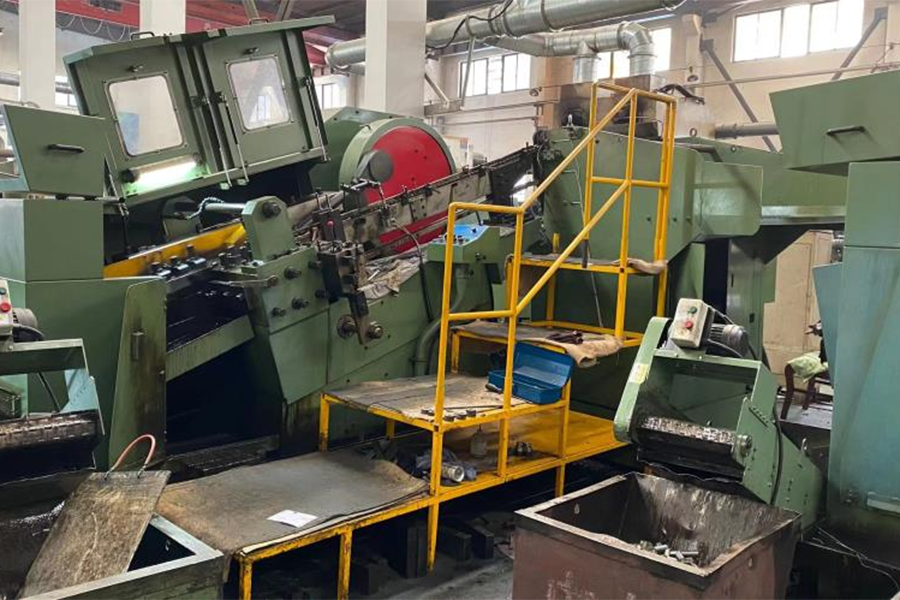
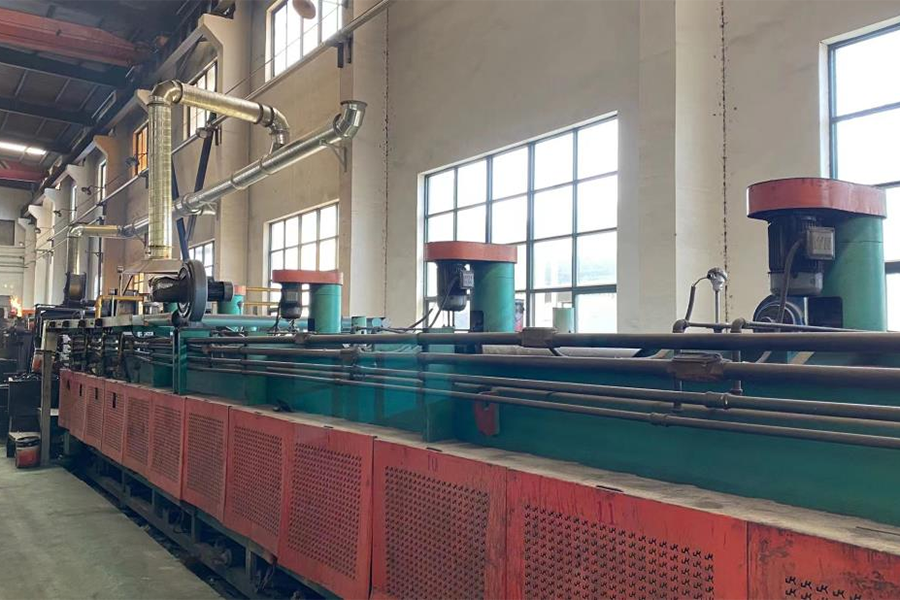
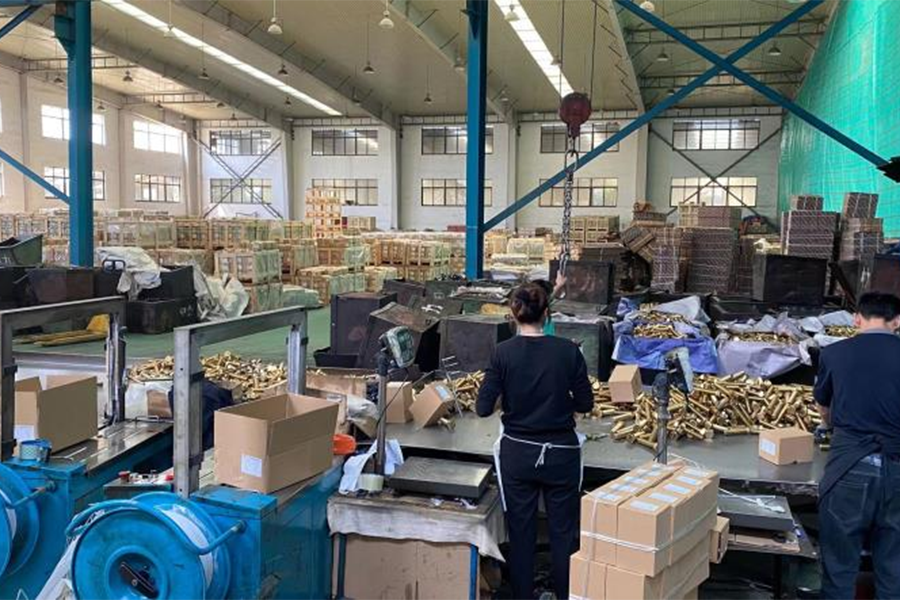
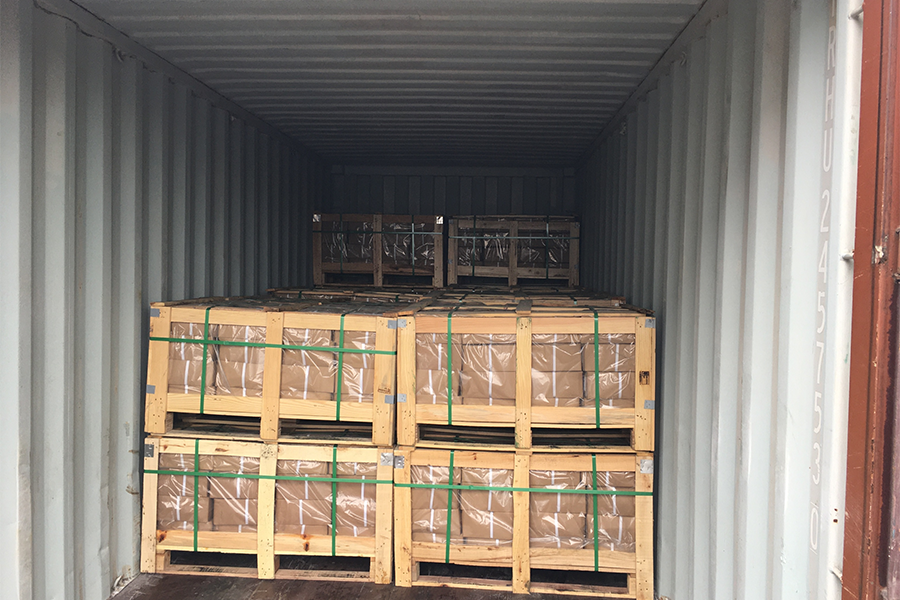
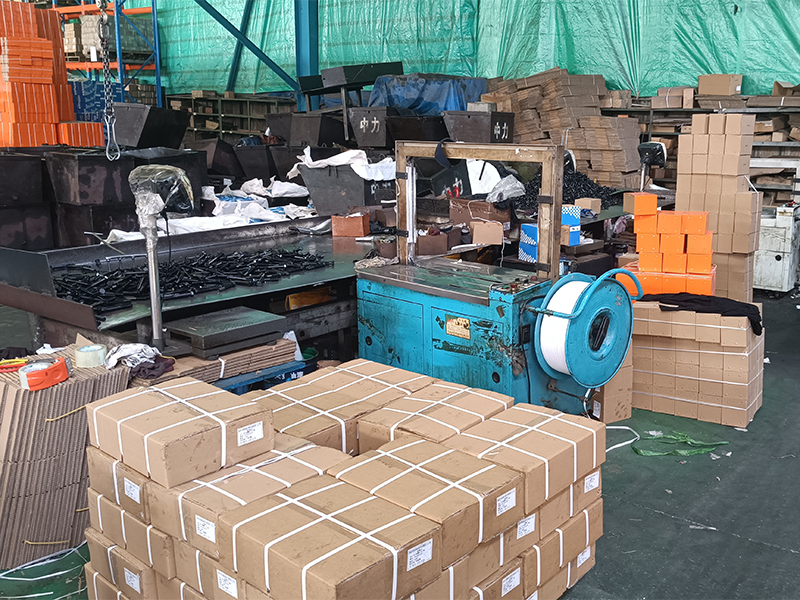
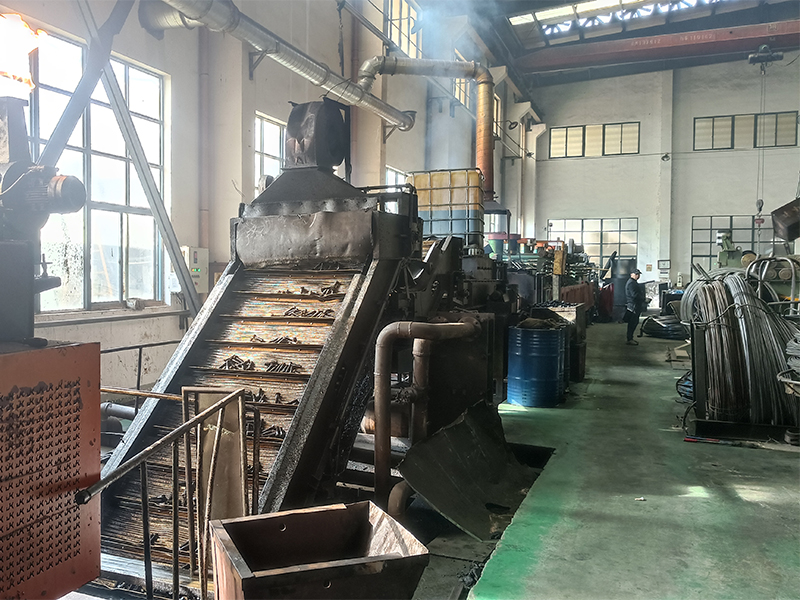
State-of-the-Art Stud Bolt Manufacturing Facilities
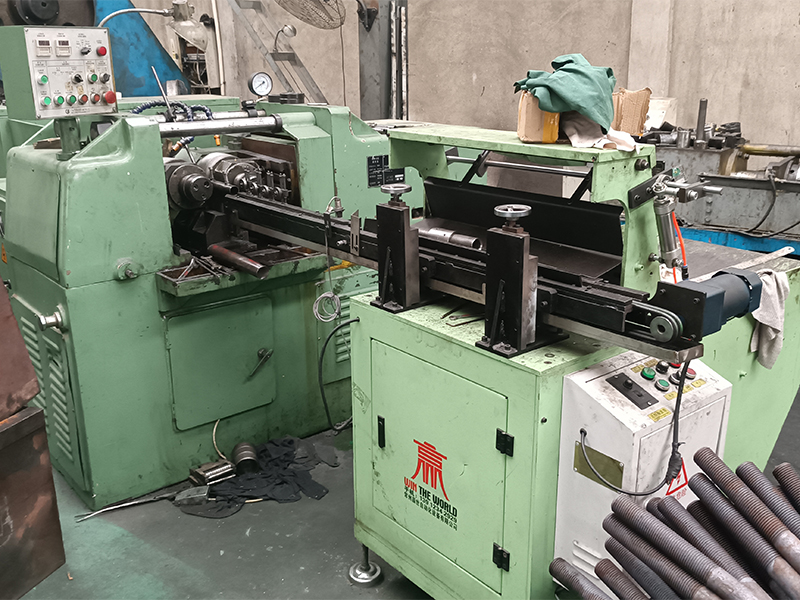
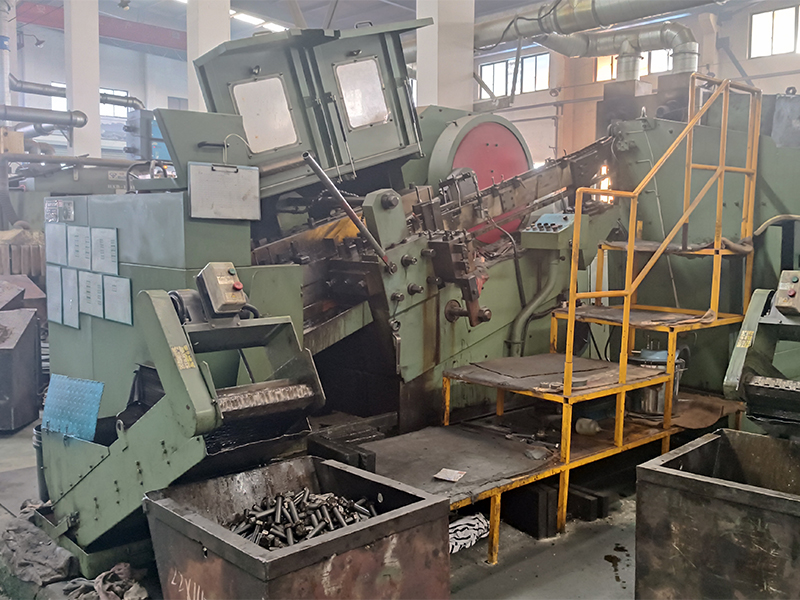
Why Engineers & Procurement Teams Choose Zhongli

A Professional Sales and Technical Team with More Than 20 Years History.

We Have Our Own Testing Equipment and Laboratory, Our Products Have Initial Inspection, Patrol Inspection, And Final Inspection.

Our Factory Has Its Own Cold Forged, Hot Forged, And Heat Treatment Equipment.

Standard Fasteners in Stock, Non-standard Fasteners Can Be Customized.

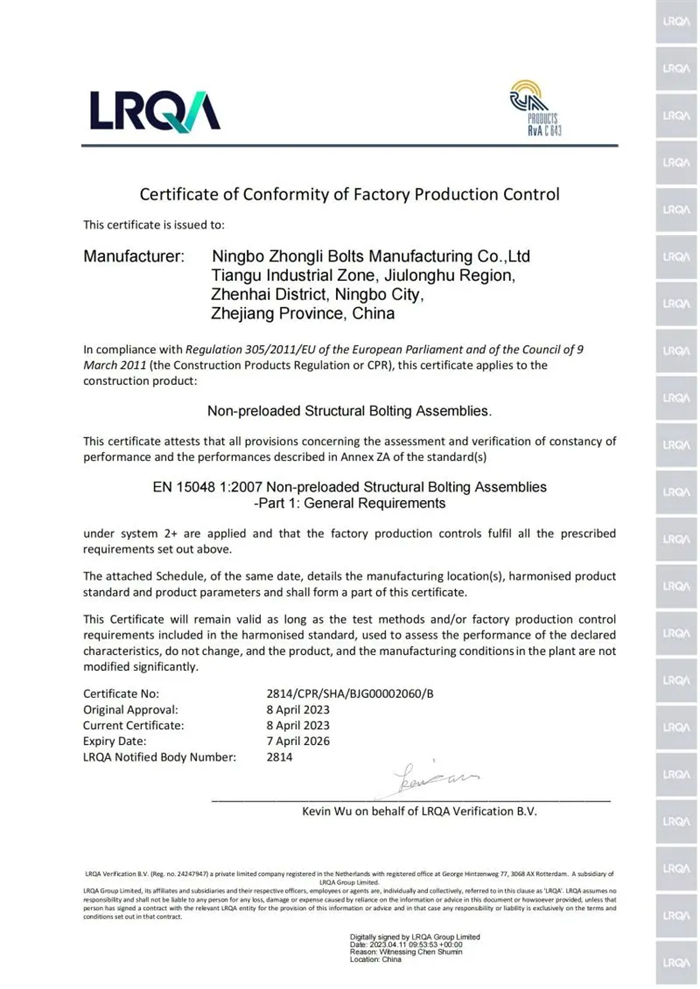
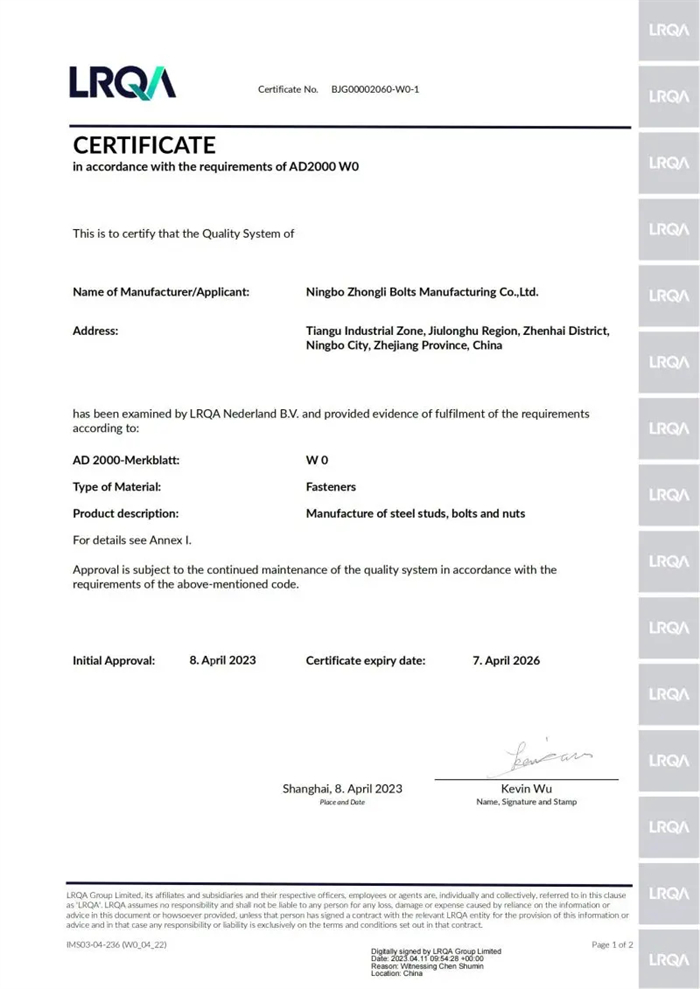
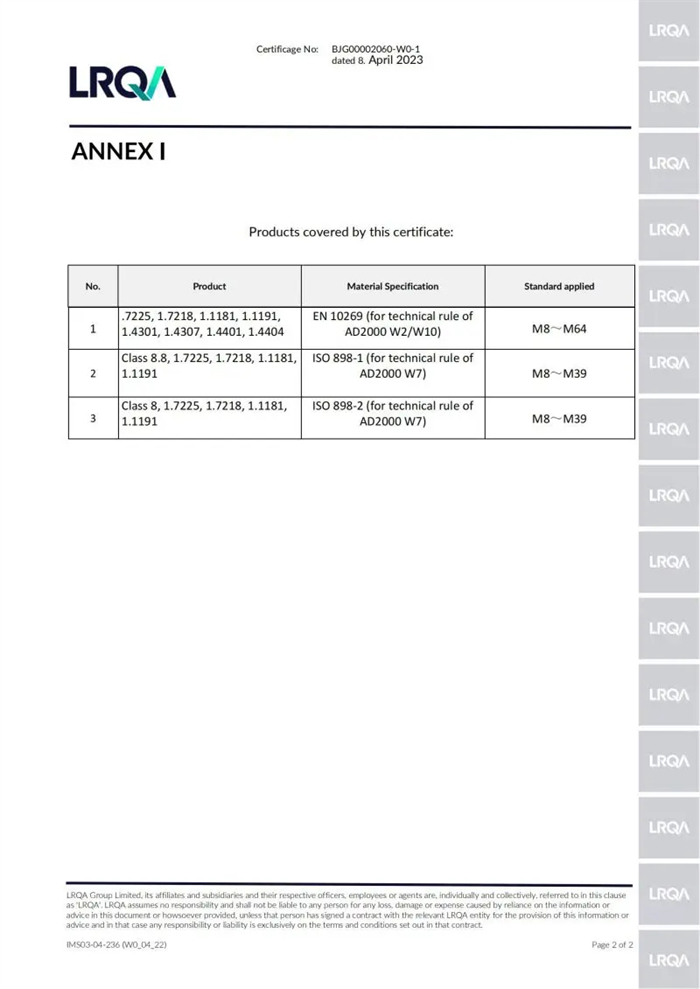
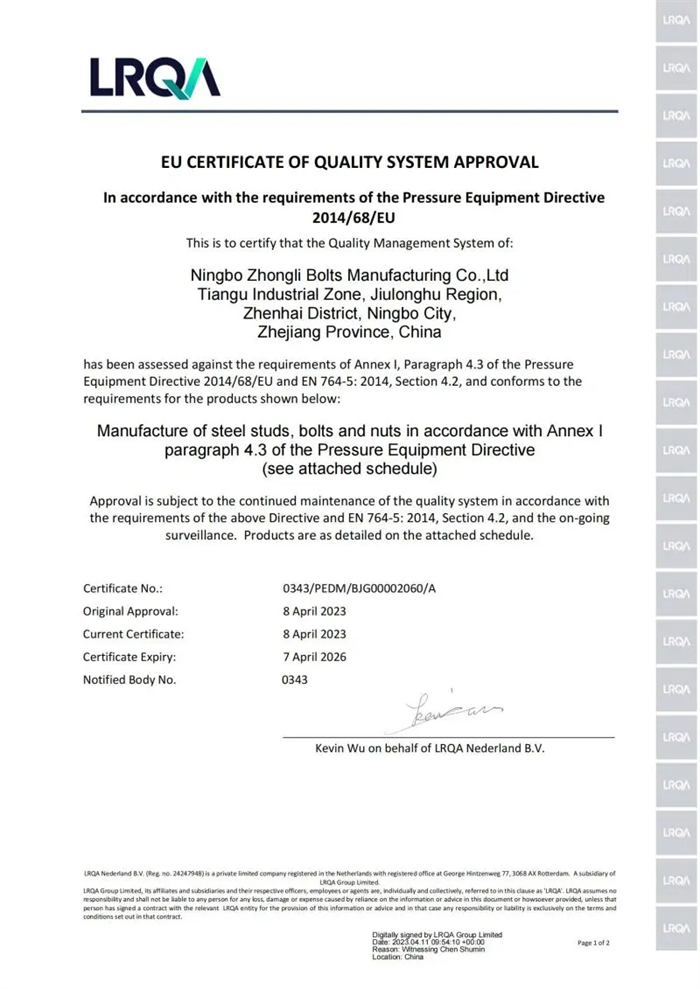
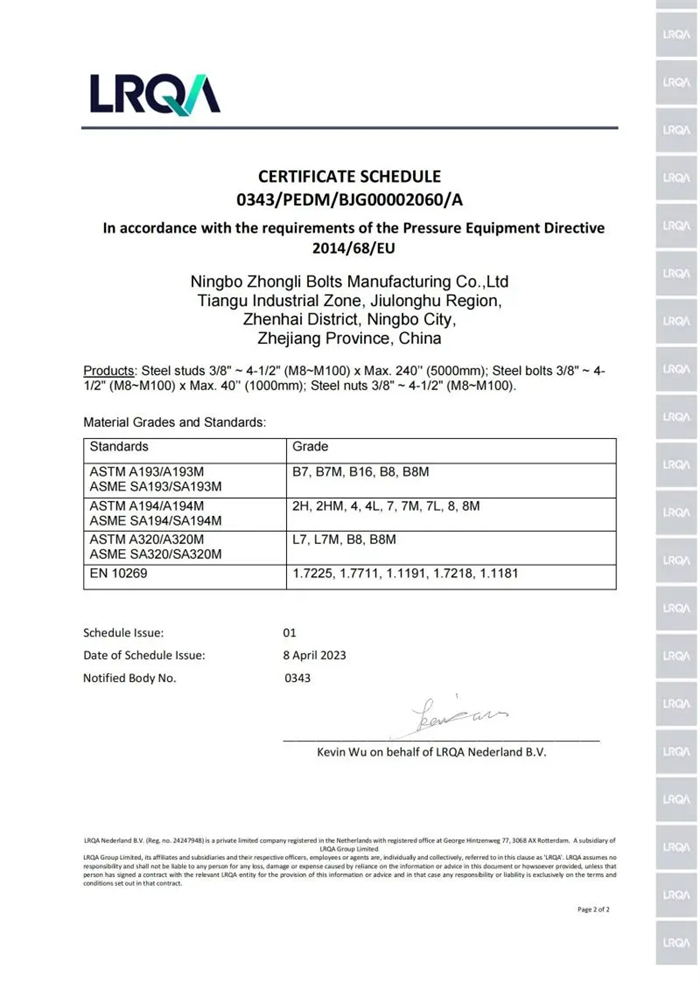
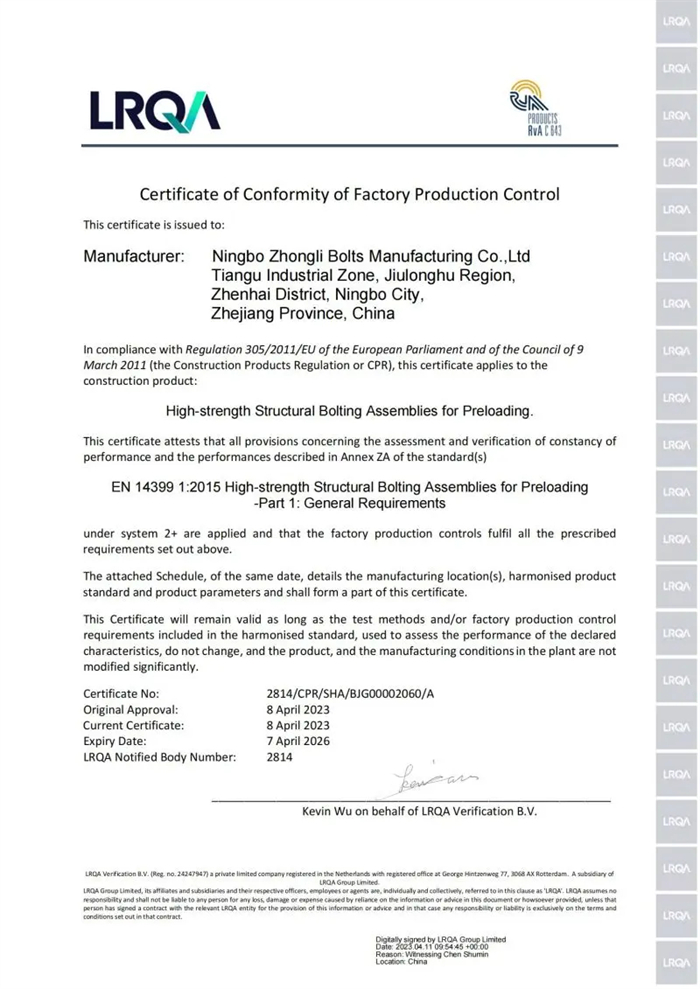
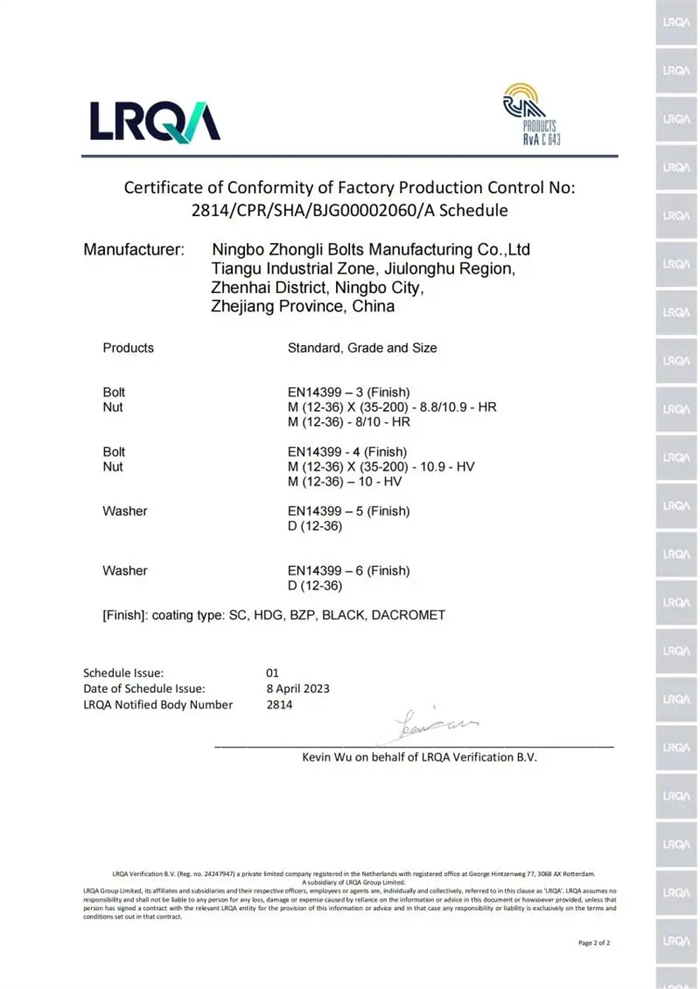
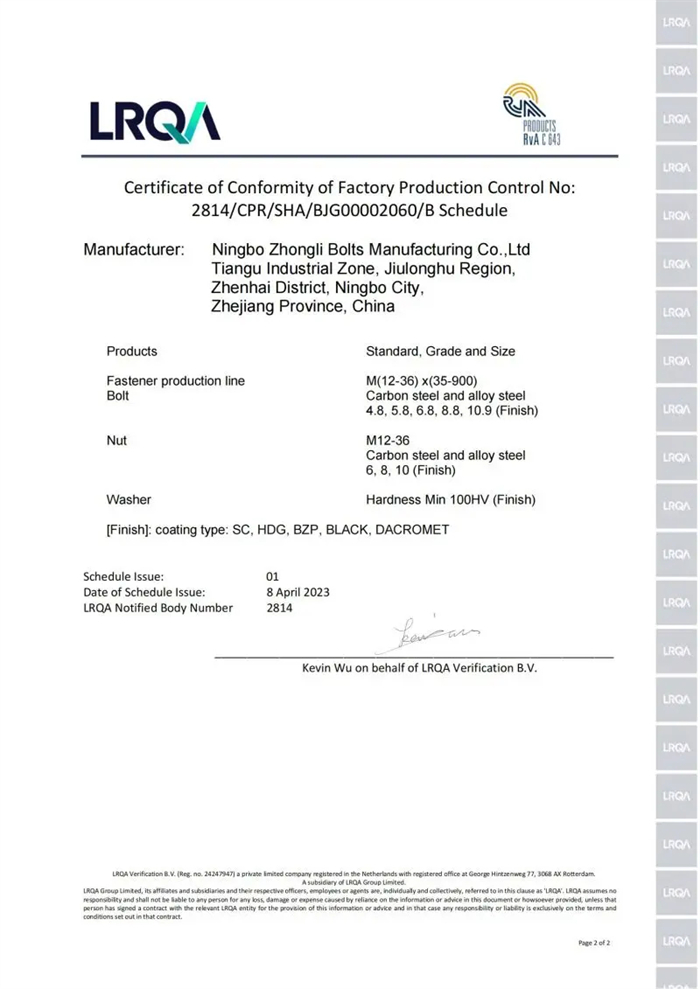
We Have Passed ISO 9001, EN 15048, EN 14399, AD2000 and CE Certificates.
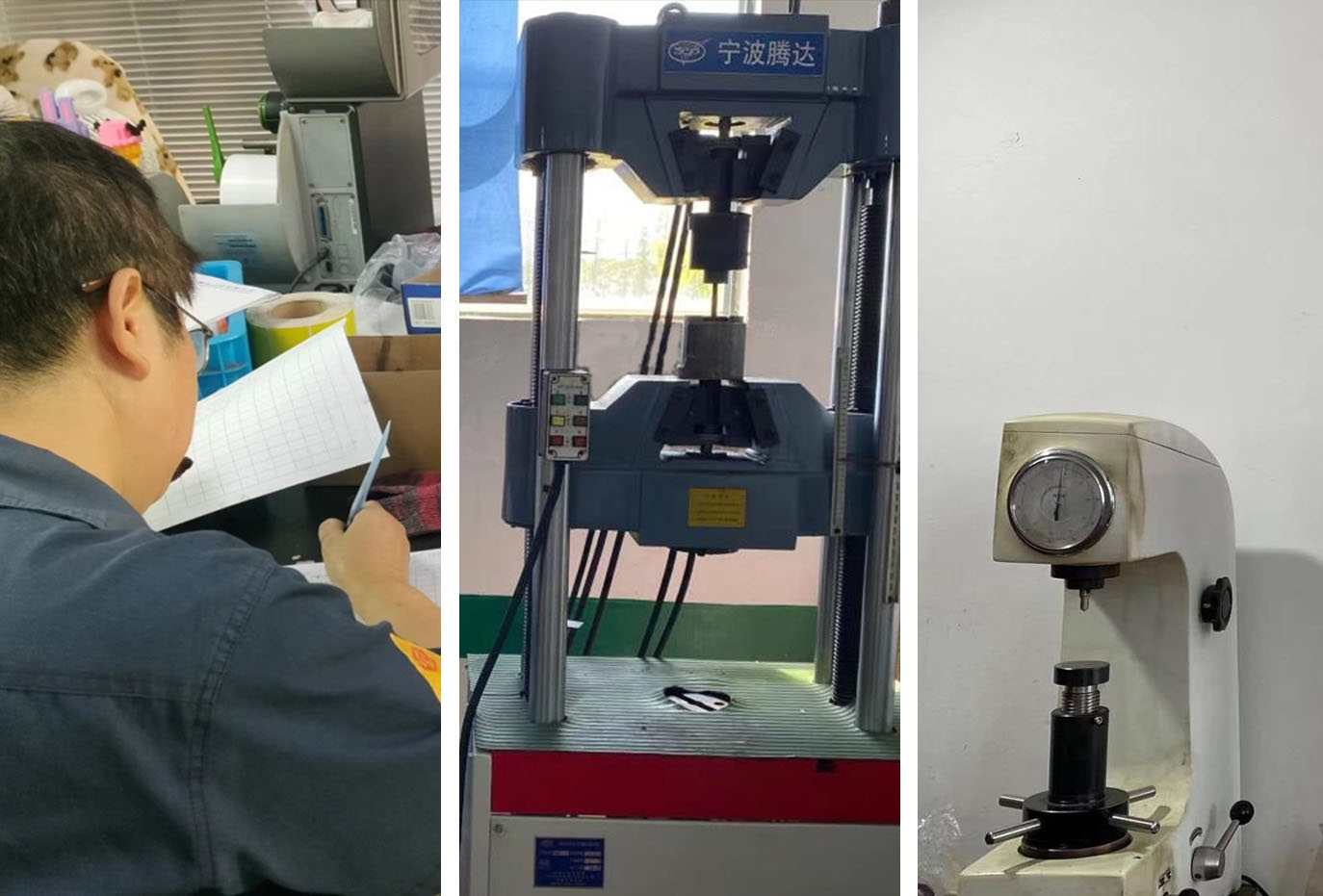
Every stud bolt for engineering applications undergoes comprehensive multi-stage quality verification to ensure compliance with international standards and customer specifications. Our laboratory is equipped with advanced measurement and testing instruments staffed by experienced quality engineers.
We Hope to Establish Business Relationships With Partners Worldwide
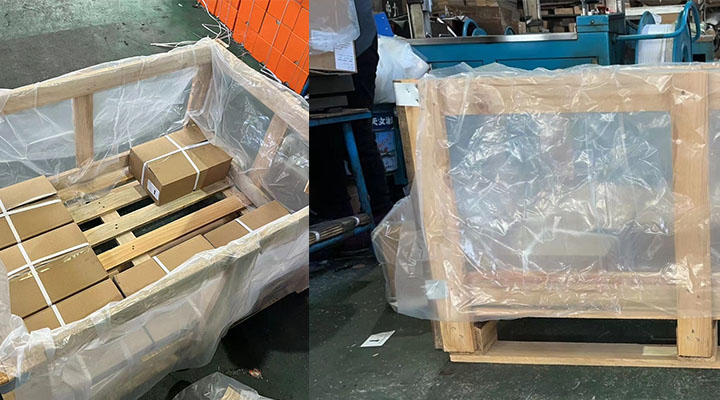
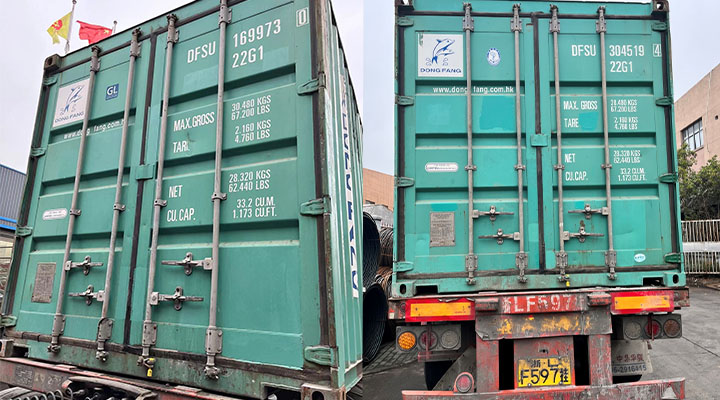



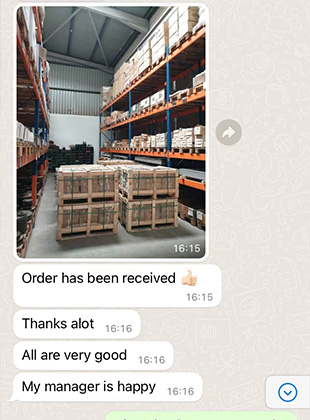
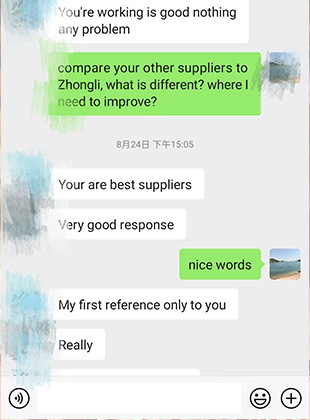
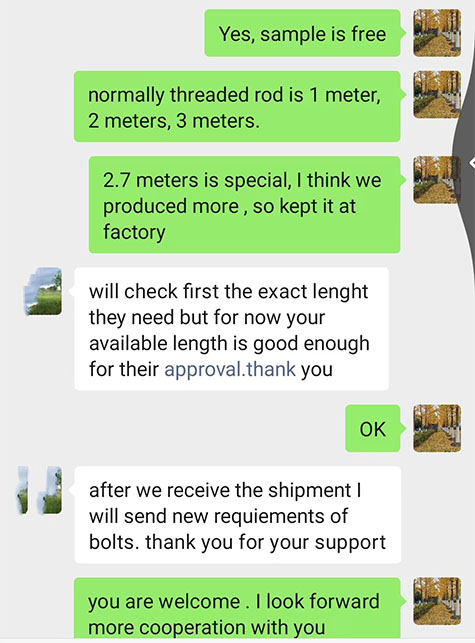
Grasp First-Hand Information from Global Engineering Partners
Contact Zhongli Bolts today for competitive pricing, free samples, and full technical support. Diameters M10–M48, all international standards, ISO9001 certified manufacturing.
Complete High-Strength Fastener Solutions for Every Engineering Requirement

 Send Email