- Ningbo Zhongli bolts manufacturing Co., Ltd. +86-574-86587617
- tan@nbzyl.com

Leave Your Message


The global transition toward renewable energy has accelerated the deployment of wind power installations worldwide. As wind turbines grow in physical size and generating capacity, the engineering demands on their structural components have become increasingly complex. Among these critical components, the Stud Bolt for Wind Energy stands out as a fundamental element ensuring structural integrity. These high-strength fasteners are designed to withstand extreme mechanical loads, continuous vibrations, and harsh environmental conditions over an operational lifespan exceeding 25 years. The market for wind energy fasteners is experiencing rapid expansion, driven by both onshore and offshore developments. Offshore wind farms, in particular, present unique challenges due to the corrosive marine environment and the immense dynamic forces exerted by deep-sea winds and waves. Consequently, the commercial demand for specialized stud bolts, such as the ASTM A193 B7 and B16 grades, has surged.
From a commercial perspective, the global wind turbine fastener market is experiencing robust growth. Industry analysts project a steady compound annual growth rate (CAGR) driven by massive offshore wind farm installations in Europe, North America, and the Asia-Pacific region. The demand for reliable Stud Bolt for Wind Energy solutions is no longer just about supplying standard hardware; it is about providing engineered fastening systems that can guarantee a service life of 25 to 30 years without catastrophic failure. A single bolt failure in a wind turbine can lead to millions of dollars in downtime, maintenance costs, and potential safety hazards. Consequently, manufacturers like Ningbo Zhongli Bolts Manufacturing Co., Ltd. are focusing on advanced material science, precise heat treatment, and superior corrosion-resistant coatings to meet the stringent demands of wind energy developers and original equipment manufacturers (OEMs).
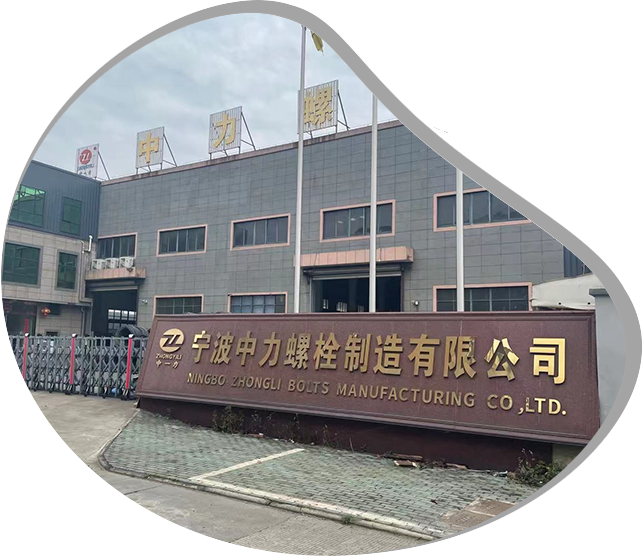
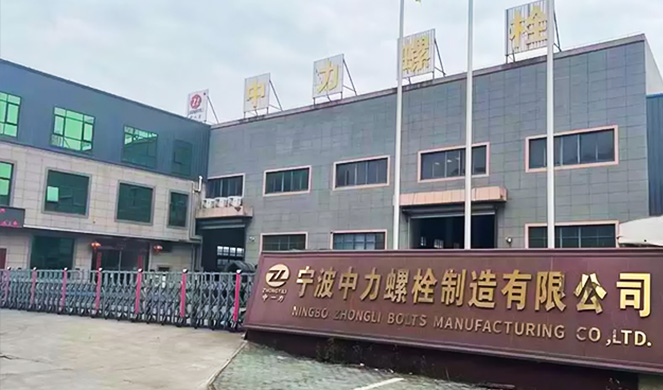
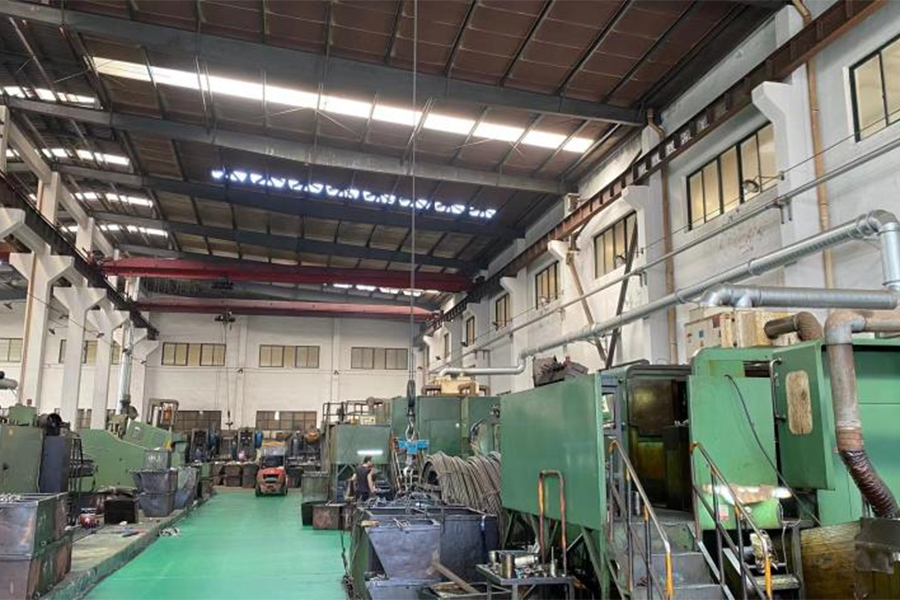
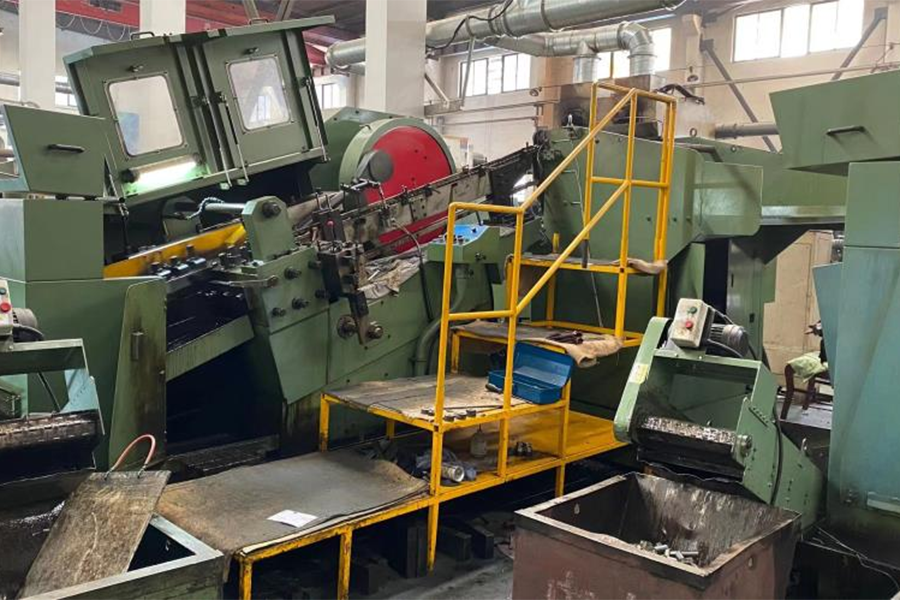
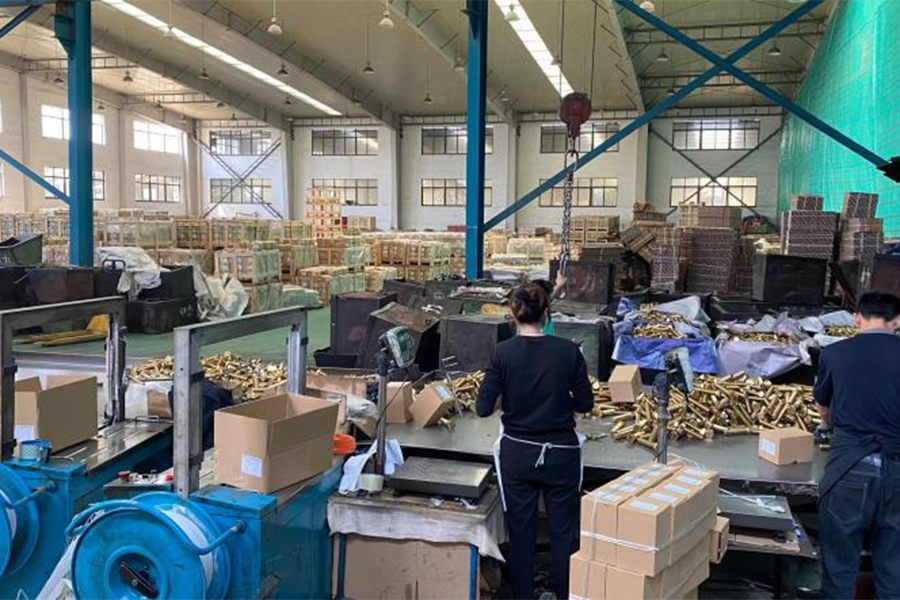
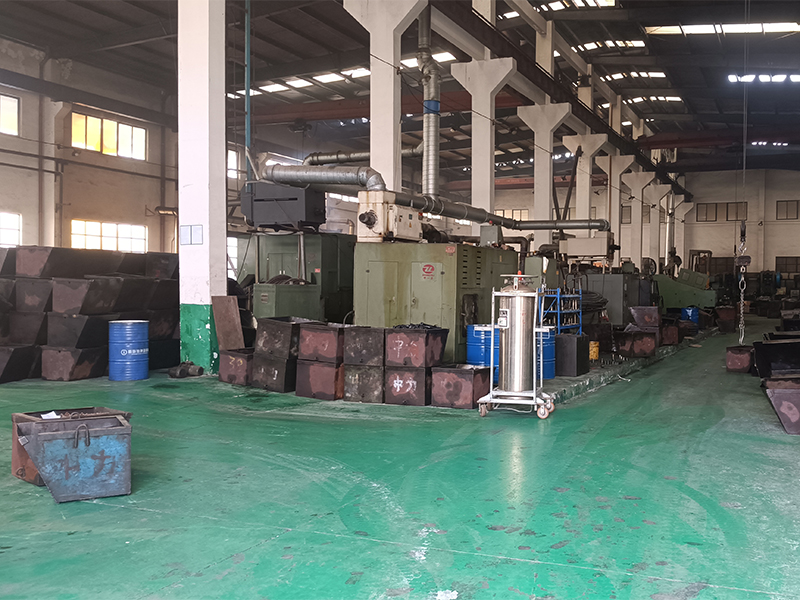
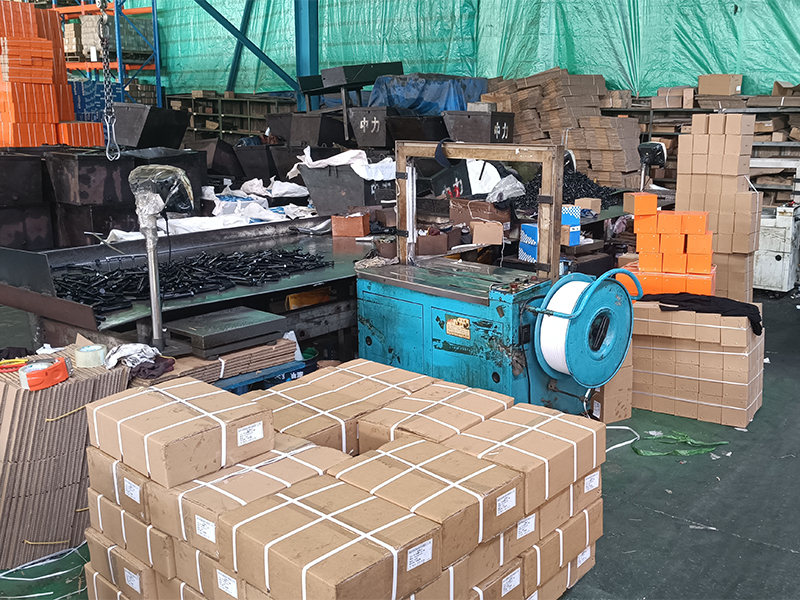
Ningbo Zhongli Bolts Manufacturing Co., Ltd. founded in 2003, is a professional manufacturer of high-strength fasteners in different specifications for various models, which is covering an area of about 10,000 square meters, registered capital of 1,500,000 RMB, with the total annual productivity of 8,000 tons per year. The company has set up several sales branches in different provinces in China. Meanwhile, the company's products are exported to Europe, USA, Middle East, Africa, Southeast Asia and other regions. The company has strong technical ability, complete testing equipments and a variety of fully automatic multi-station cold and hot heading machines, so as to provide you with reliable and high quality products.
We hope to establish business relationship with all over the world, and our business can bring in mutual benefits for both parties.
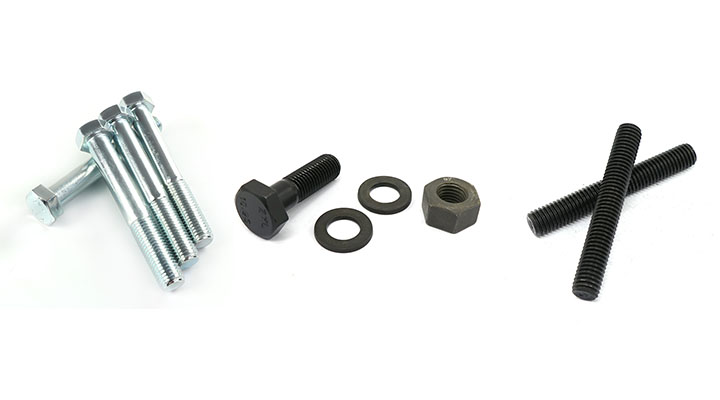
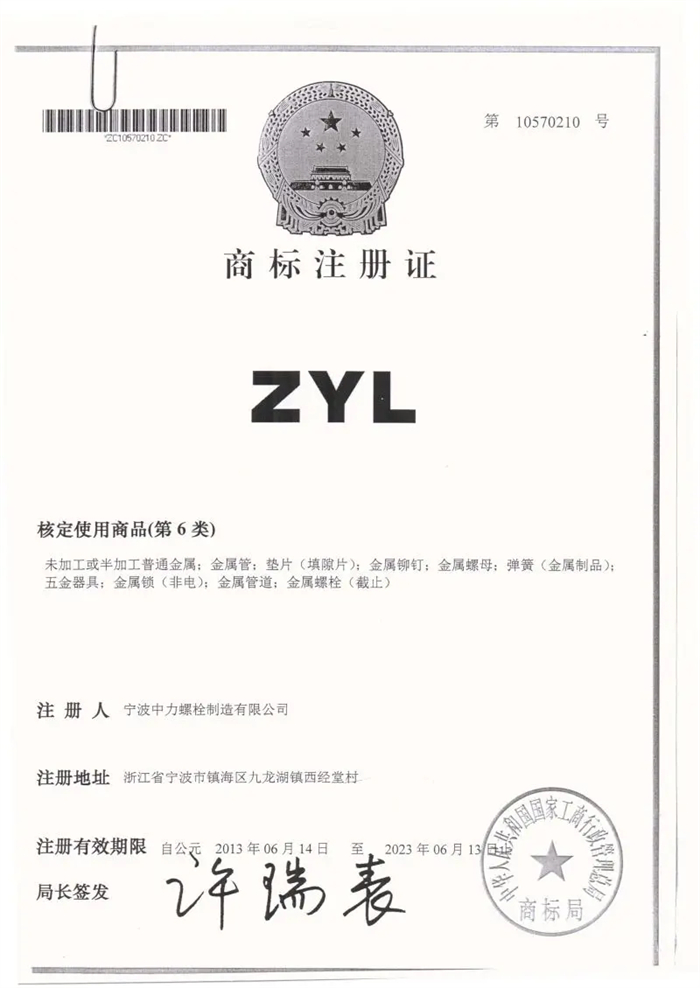
Our main products ZYL brand fasteners include structural hex bolts ASTM A325 type 1, A490, hex head bolts DIN931, DIN933, EN14399, DIN6914, ISO4014, ISO4017 Gr8.8 Gr10.9 Gr12.9, ANSI B18.2.1 UNC and UNF Gr5, Gr8, fine pitch hex bolts DIN960, DIN961 Gr8.8 Gr10.9 Gr12.9, hex socket cap screws DIN912, ISO4762 Gr8.8 Gr10.9 Gr12.9 with surface Black, Zinc plated, Hot dip galvanized. Diameters from M10 to M48, length no limited. Hex Flange bolts DIN6921 Gr8.8 Gr10.9 with serration, thread rod A193 B7 long sizes and short sizes with 2H nuts, stud bolts. We also can supply hex nuts DIN934, DIN6915, plain washers DIN125, DIN126, DIN6916, spring washers DIN127 with Black, Zinc plated and Hot dip galvanized surface.
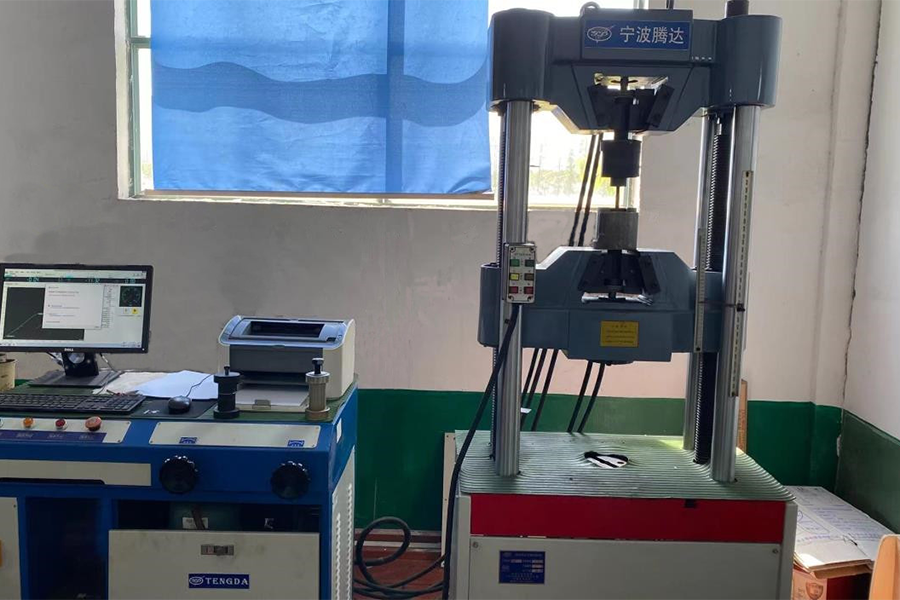
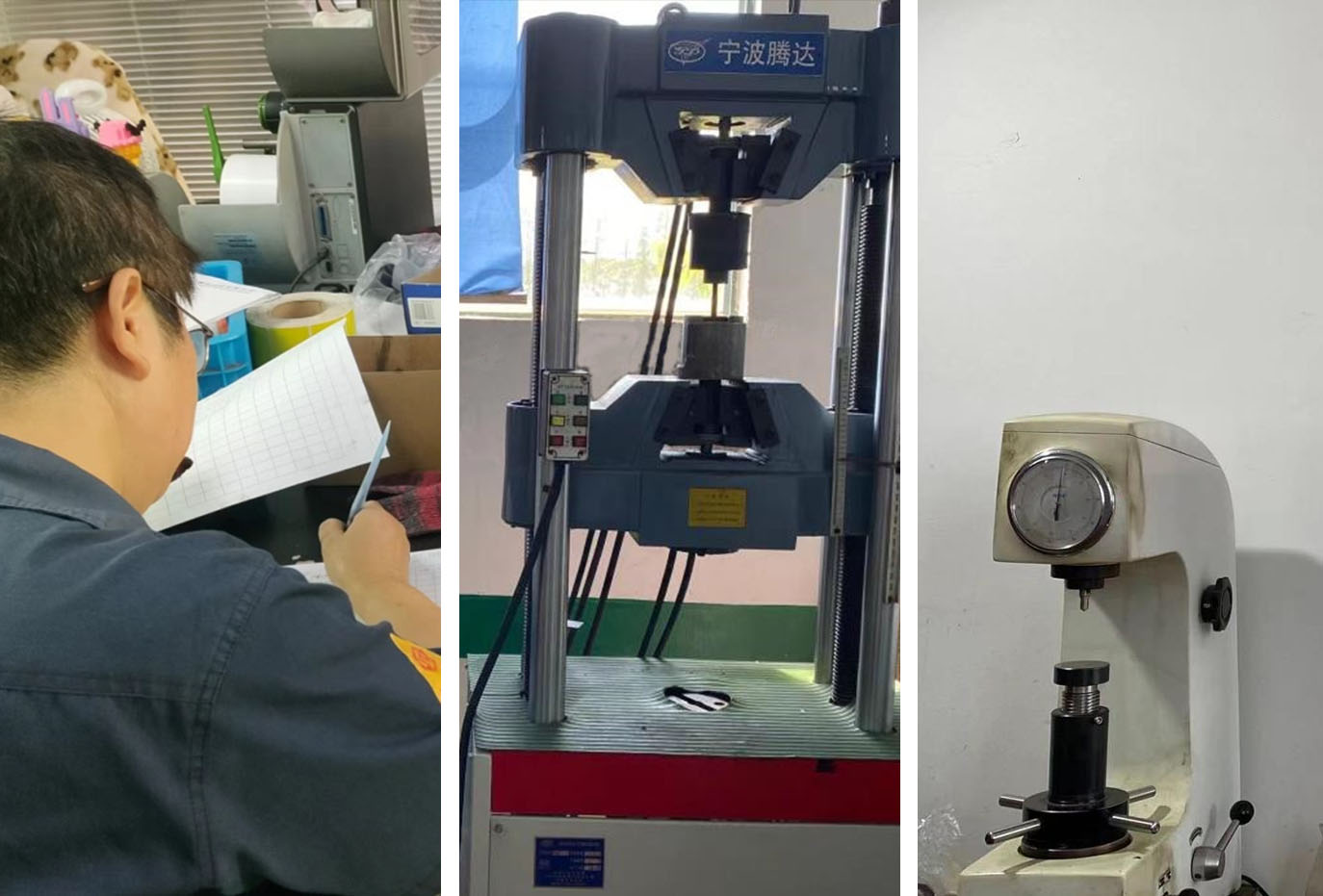
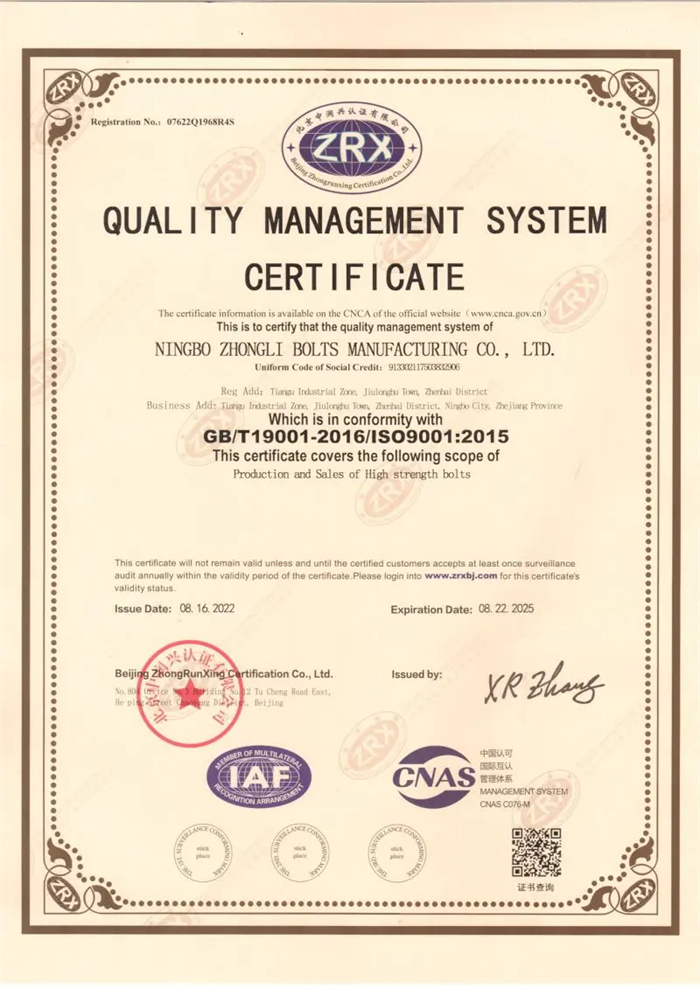
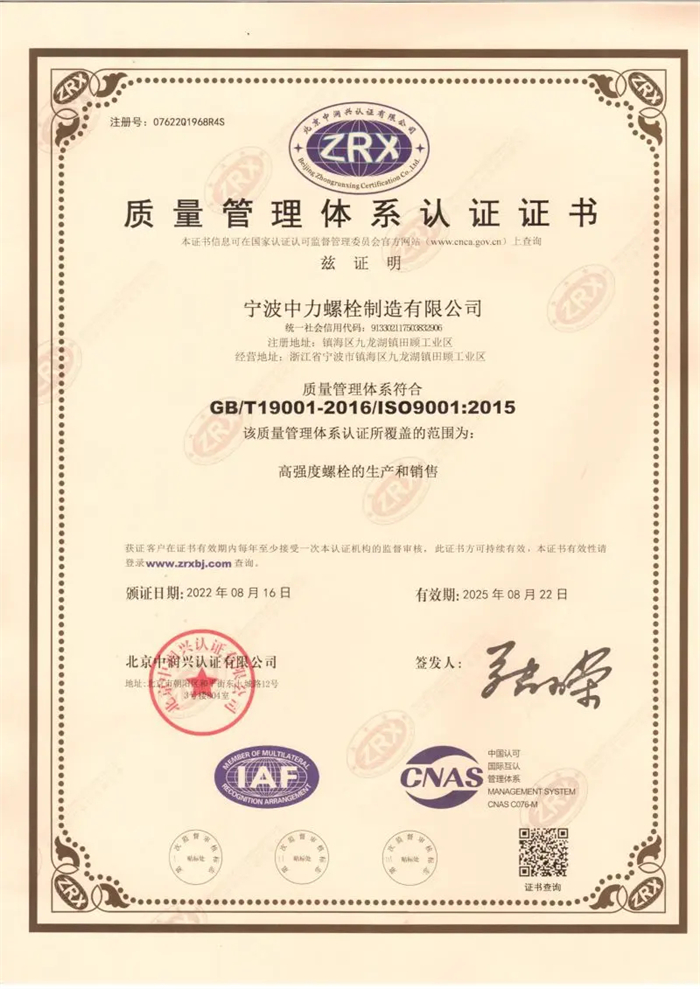
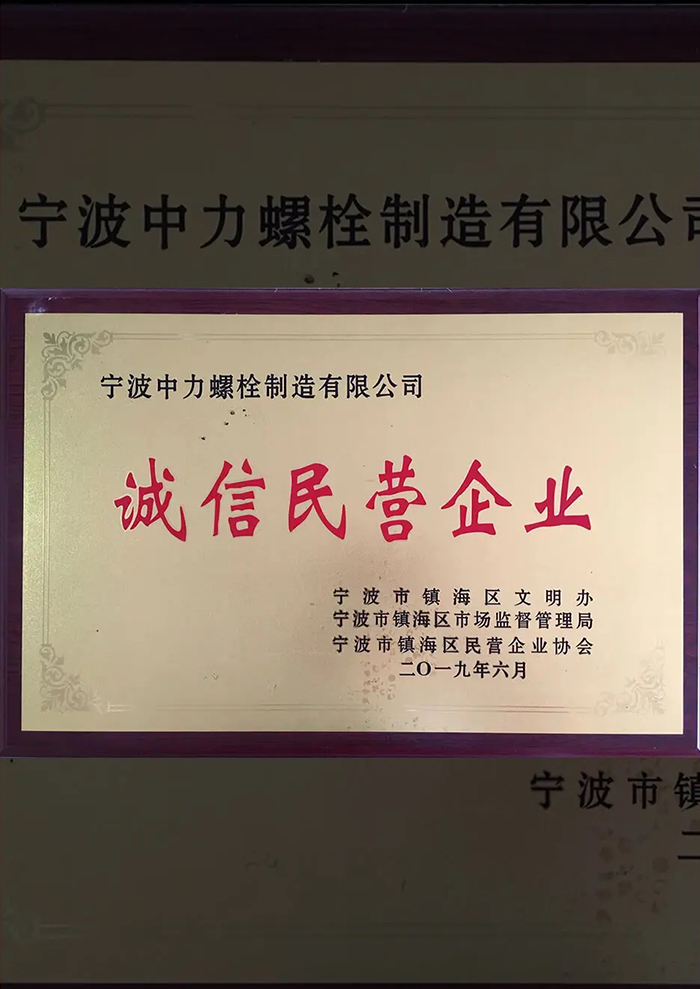
Our physical and mechanical test results can reach to ISO898-1 for bolts and ISO898-2 for nuts. Through scientific management, Ningbo Zhongli Bolts Manufacturing Co., Ltd. obtained ISO9001 certificate of Quality Management System. Quality is the most important for us. We have strict production and inspection equipments to support this point.
To fully appreciate the engineering behind a Stud Bolt for Wind Energy, one must analyze its deep application scenarios across different sections of a modern wind turbine. Wind turbines are modular assemblies, and their structural integrity relies entirely on the joints connecting these modules. The foundation anchor system is the starting point of any wind turbine installation and represents one of the most critical applications for high-strength stud bolts. The foundation must support the entire weight of the tower, nacelle, and rotor blades, while simultaneously resisting the massive overturning moments generated by wind forces. To achieve this, a foundation cage consisting of dozens of double-ended stud bolts is embedded deep into a reinforced concrete foundation. These stud bolts, often ranging in diameter from M36 to M48 and lengths exceeding two meters, are tensioned to high preloads to clamp the tower base flange securely to the concrete. Any loss of preload or material failure in these foundation bolts could lead to structural instability or catastrophic collapse of the turbine.
Furthermore, the connection between the rotor blades and the hub is one of the most highly stressed joints in the entire system. As the blades rotate, they experience cyclic gravitational and aerodynamic forces. The stud bolts securing the blade root to the pitch bearing must possess exceptional fatigue strength. These bolts are often designed with custom thread profiles and are manufactured using thread rolling processes after heat treatment to maximize their fatigue life. Inside the nacelle, high-strength stud bolts are used to assemble the gearbox, generator, main shaft, and yaw and pitch drive systems. These components operate under high torque and vibration, requiring fasteners that can resist self-loosening. The use of ASTM A193 Grade B16 stud bolts is common in these high-stress areas due to their excellent resistance to creep and relaxation at elevated operating temperatures.
The manufacturing of a Stud Bolt for Wind Energy is governed by strict international standards to ensure reliability. The most widely referenced standards include ASTM A193, ASTM A325, ASTM A490, and various ISO/DIN standards such as ISO 898-1. ASTM A193 Grade B7 is the industry standard for high-strength bolting applications. Made from chromium-molybdenum alloy steel, Grade B7 offers excellent tensile strength and yield properties, making it ideal for the high-stress environments of wind turbines. For applications where higher temperatures or specific creep resistance is required, ASTM A193 Grade B16 is utilized. Grade B16 is alloyed with vanadium, which enhances its mechanical properties under thermal stress, often found in close proximity to generators and gearboxes.
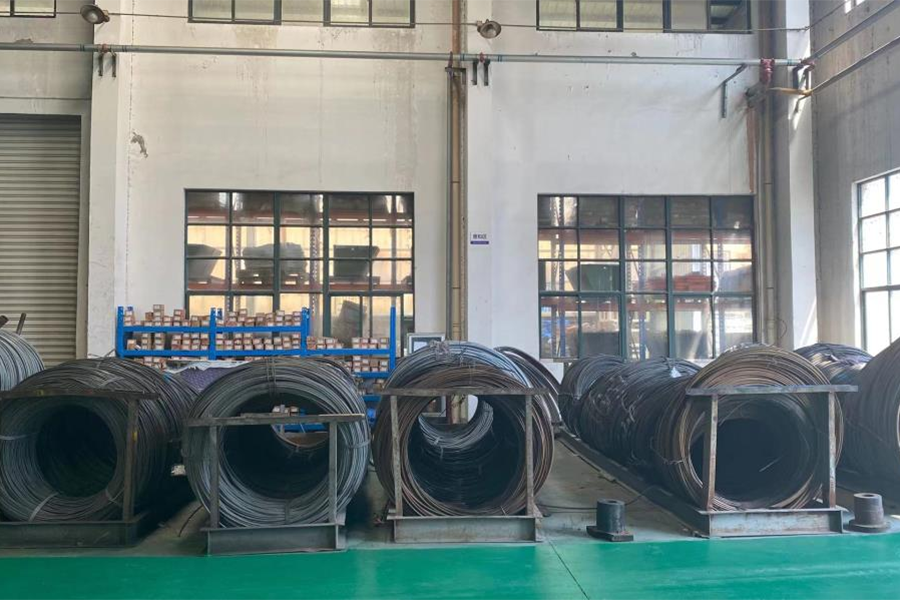
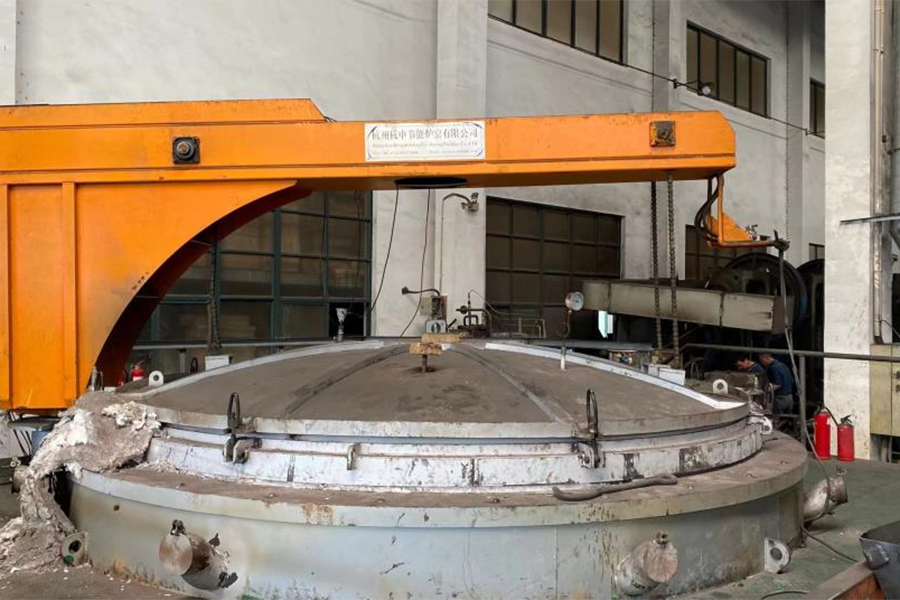
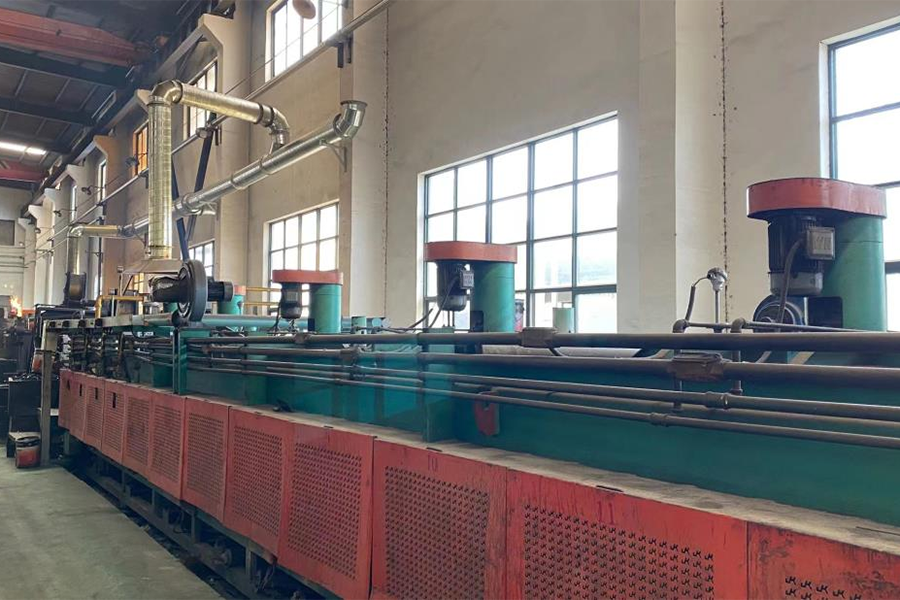
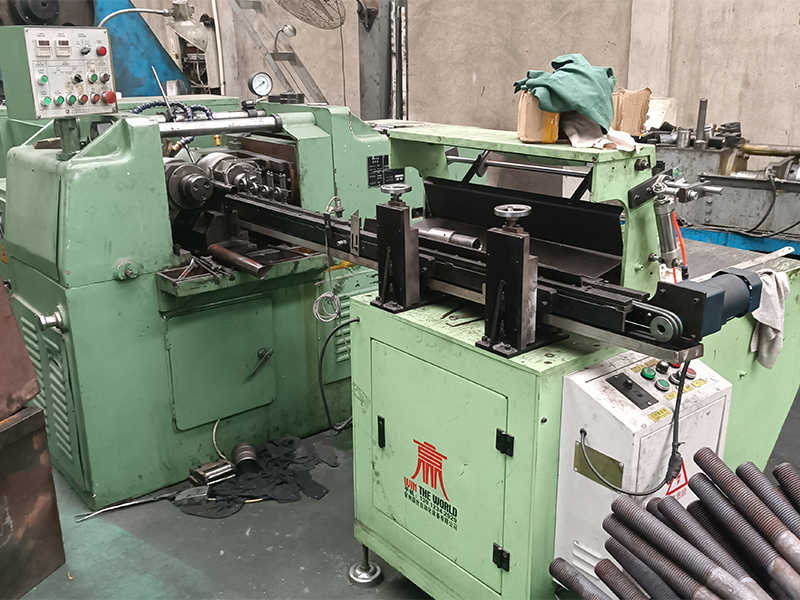
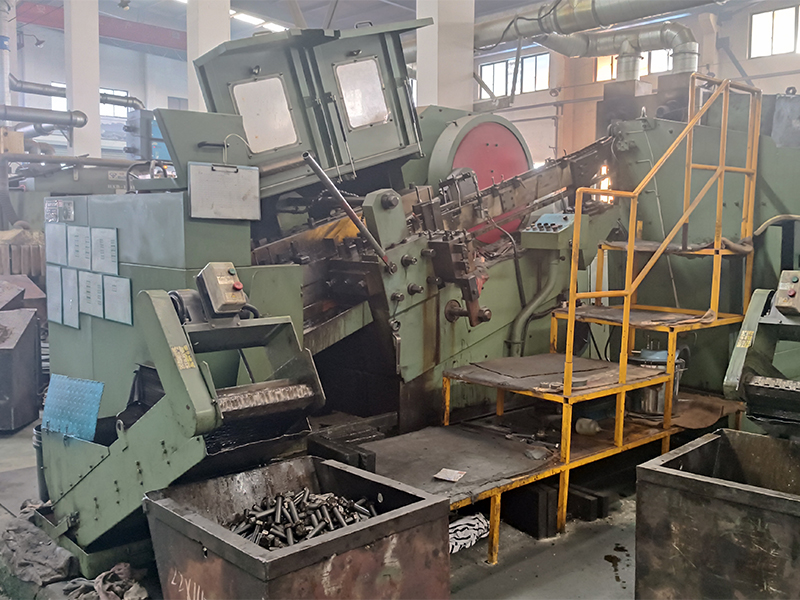
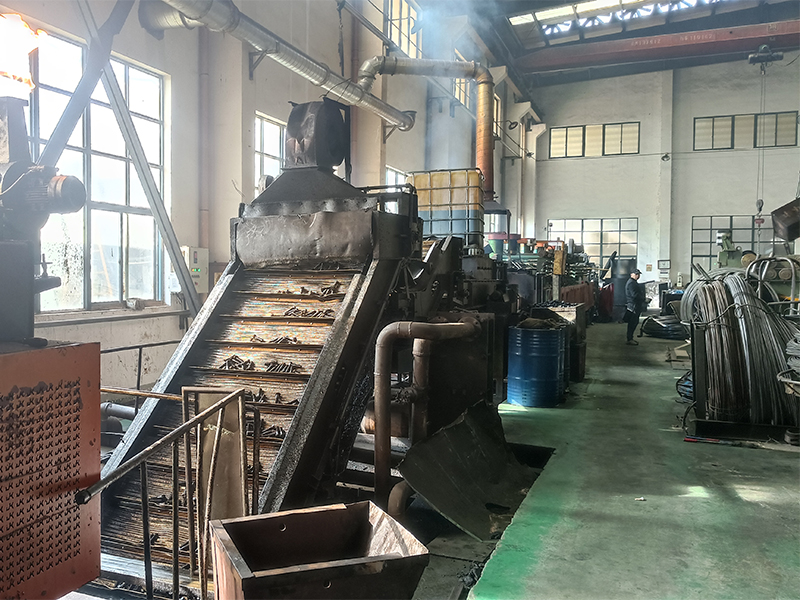
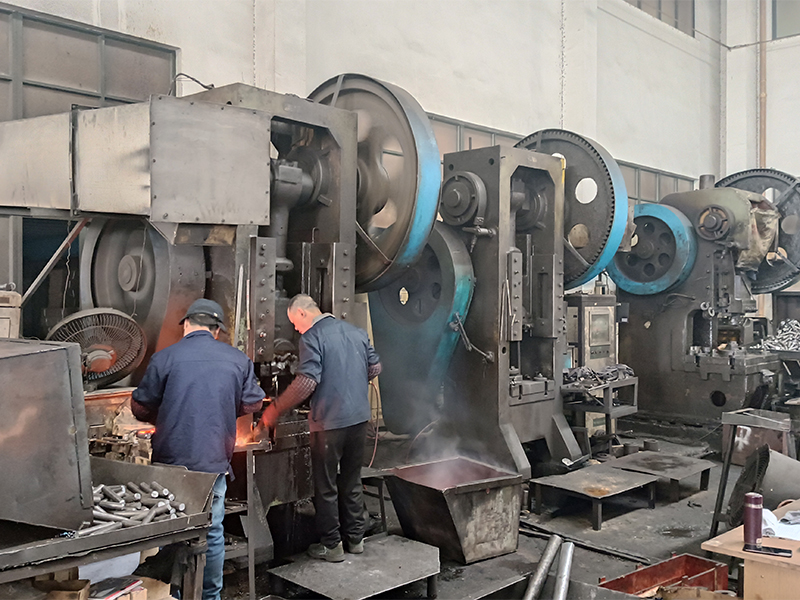
In addition to material strength, the manufacturing process plays a vital role. Ningbo Zhongli Bolts Manufacturing Co., Ltd. employs advanced cold and hot forging techniques, followed by precise heat treatment processes. Heat treatment is critical as it defines the final mechanical properties of the bolt, including its hardness, tensile strength, and impact toughness. Thread rolling is another key process; rolling threads after heat treatment ensures that the grain flow of the steel remains uninterrupted, significantly improving the bolt's resistance to fatigue compared to cut threads. The physical and mechanical properties of these fasteners are carefully verified through tensile testing, Charpy impact testing, and hardness testing. For wind turbines operating in cold climates, low-temperature impact toughness is a critical requirement to prevent brittle fracture.

A Professional Sales and Technical Team with More Than 20 Years History.

We Have Our Own Testing Equipment and Laboratory, Our Products Have Initial, Patrol, And Final Inspection.

Our Factory Has Its Own Cold Forged, Hot Forged, And Heat Treatment Equipment.

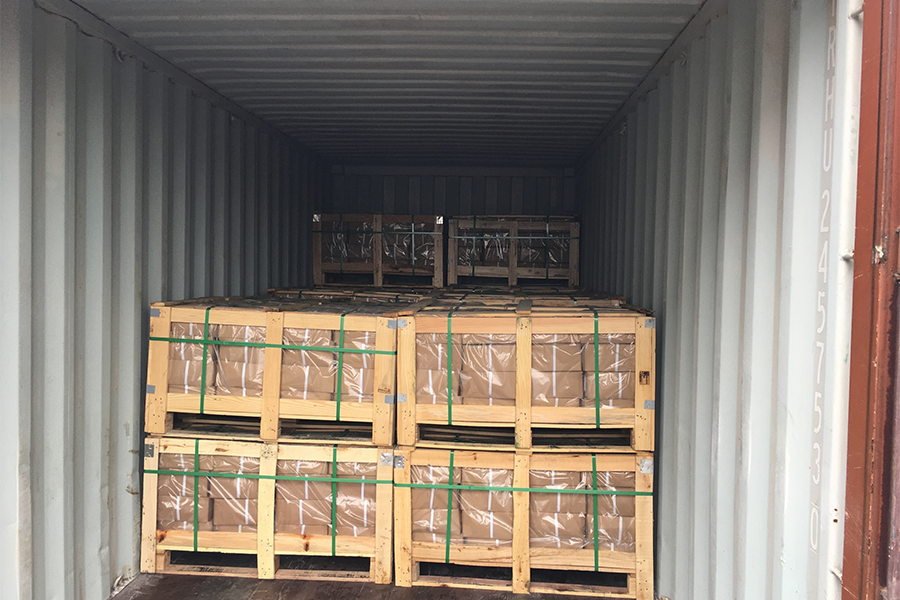
Standard Fasteners in Stock, Non-standard Fasteners Can Be Customized.

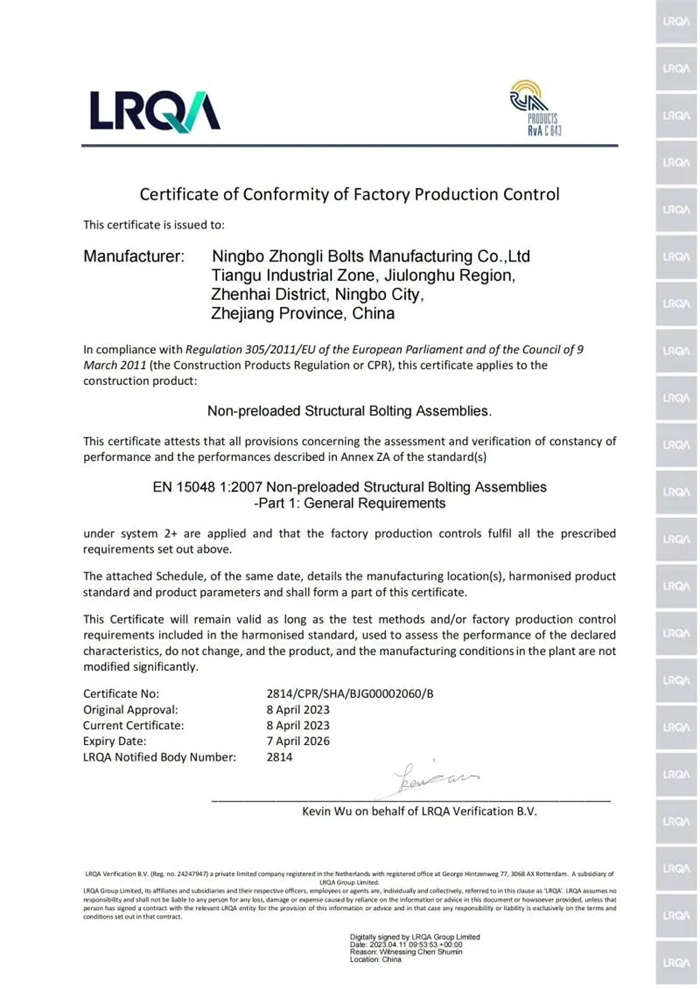
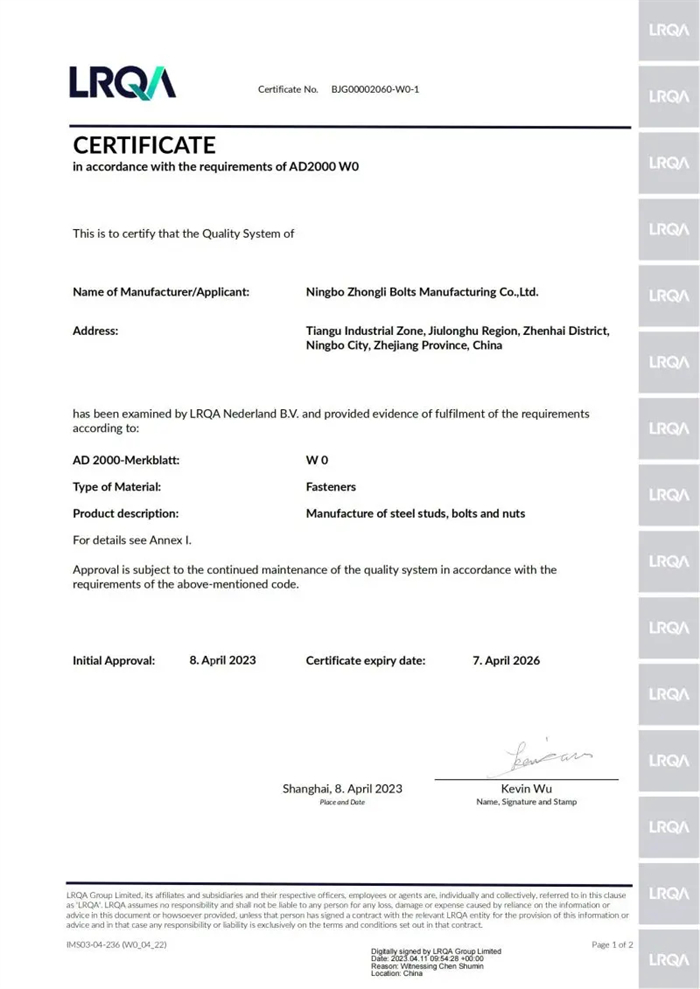
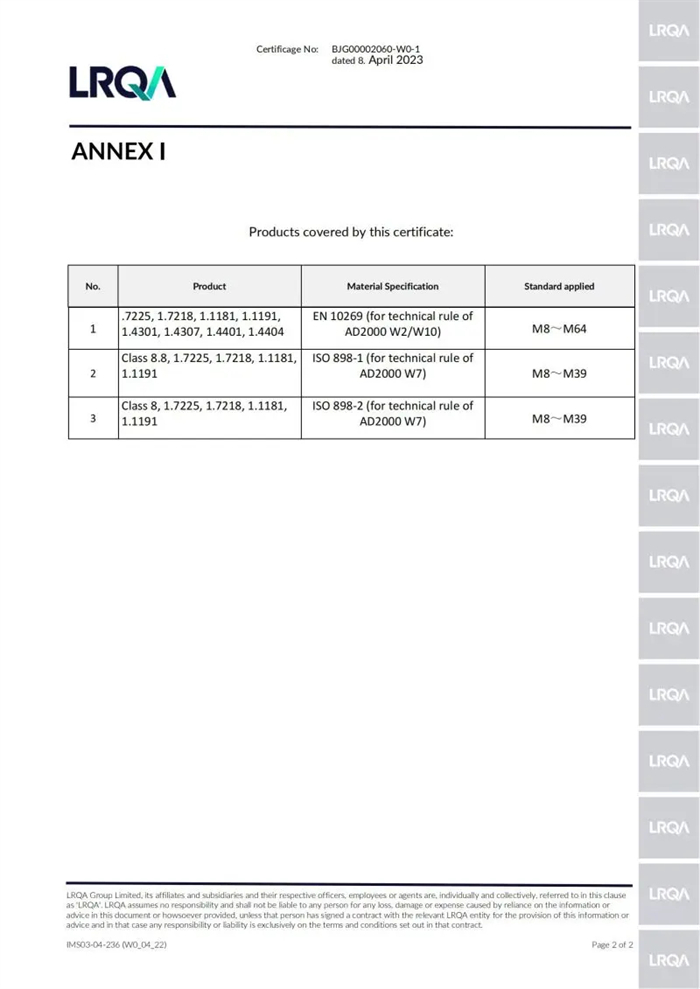
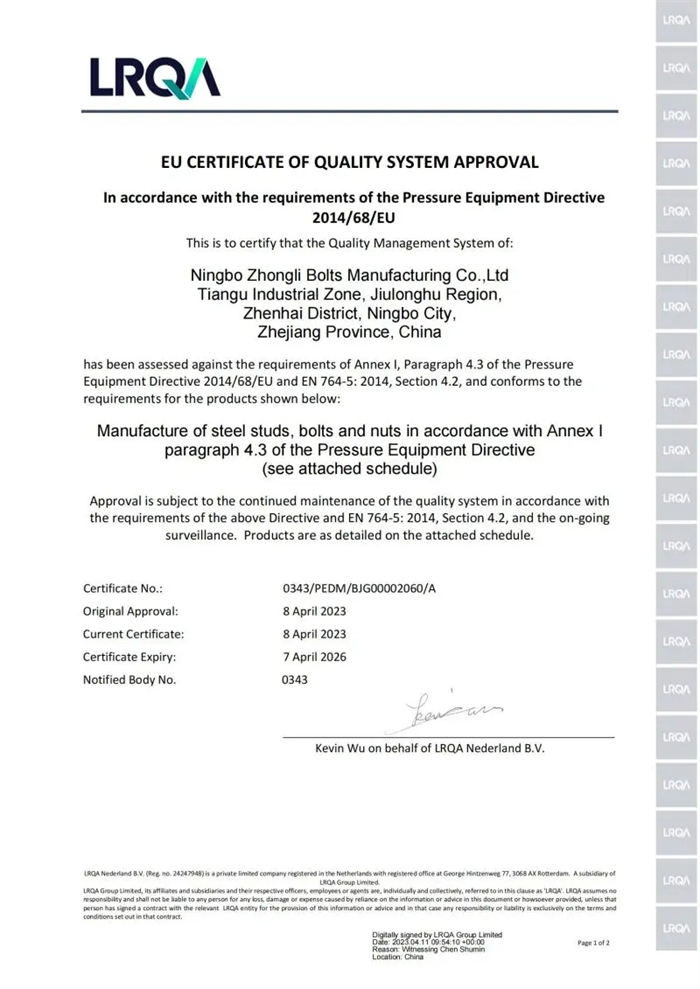
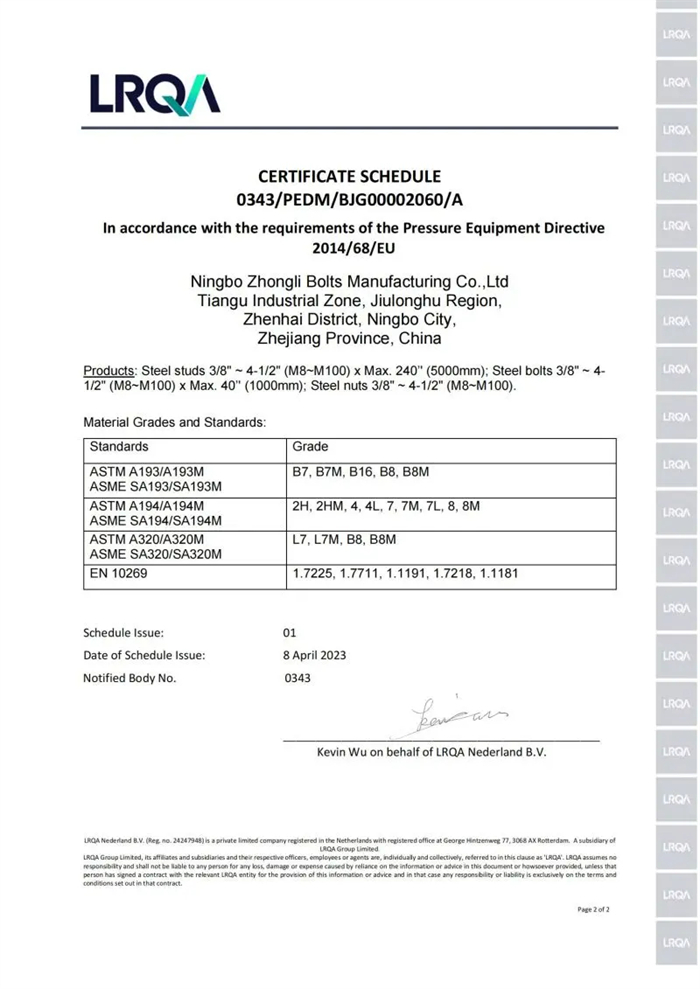
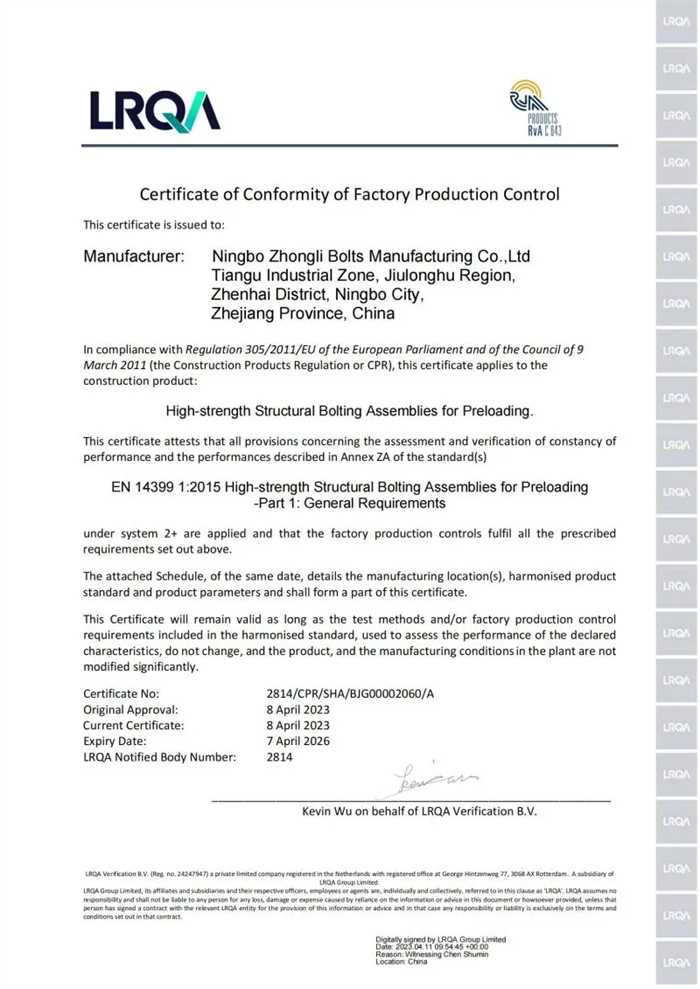
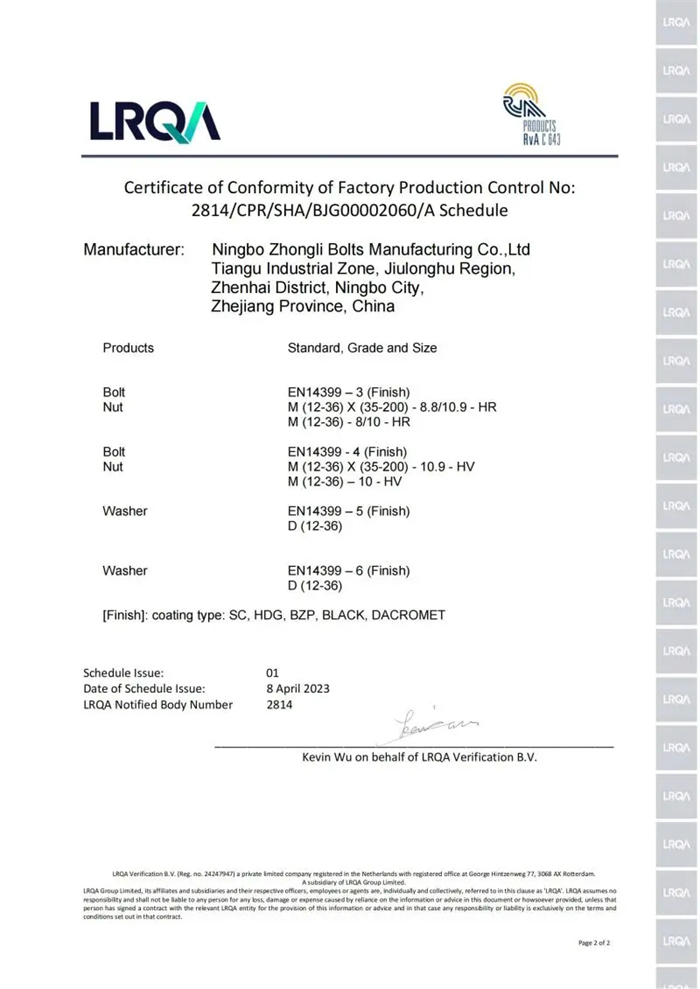
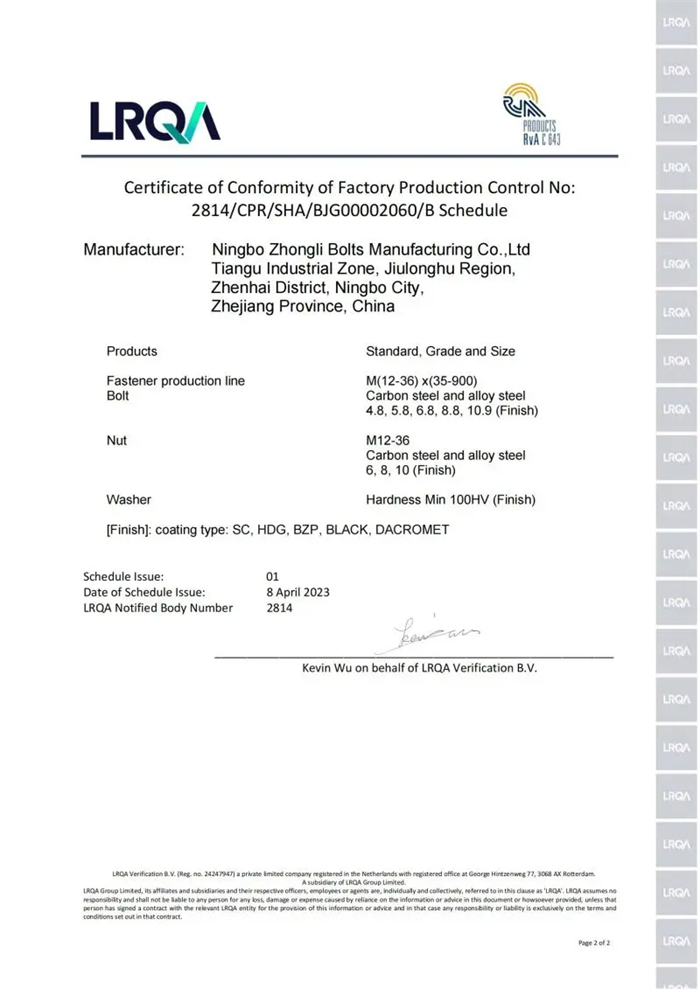
We Have Passed ISO 9001, EN 15048, EN 14399, AD2000 and CE Certificates.



Corrosion is the primary threat to the longevity of wind turbine fasteners, particularly in offshore and coastal regions. The combination of salt spray, high humidity, and cyclic loading can lead to stress corrosion cracking (SCC) and hydrogen embrittlement. To protect the steel from corrosion, advanced surface treatments are mandatory. Hot-dip galvanizing (HDG) is the traditional choice, providing a robust barrier and sacrificial protection. However, for high-strength fasteners (Grade 10.9 and above), the acid pickling process used prior to galvanizing can introduce hydrogen into the steel, leading to hydrogen embrittlement. To mitigate this risk, modern wind energy fasteners utilize zinc flake coatings (such as Geomet or Dacromet). These coatings are applied through a non-electrolytic dip-spin-cure process, eliminating the risk of hydrogen embrittlement while providing exceptional salt spray resistance of over 1000 hours. Zinc-nickel electroplating is another advanced option, offering superior wear resistance and compatibility with aluminum components.
As the wind energy sector moves toward larger turbines (15MW to 20MW) and deeper offshore locations, the industry is also exploring smart bolting technologies. Smart stud bolts are integrated with ultrasonic sensors that allow technicians to measure bolt tension remotely. This enables predictive maintenance, allowing operators to detect preload loss before a failure occurs, reducing the need for dangerous and expensive manual inspections on offshore platforms. The development of even larger wind turbines will require further advancements in material science, including the use of super-alloys and optimized thread designs to handle the unprecedented loads of the next generation of clean energy. Ningbo Zhongli Bolts Manufacturing Co., Ltd. remains committed to research and development, continuously upgrading our manufacturing techniques to meet these future challenges head-on.
EN 15048 CE Certification, EN 14399 CE Certification, ISO9001 Certificate

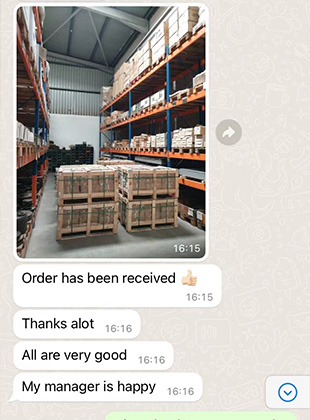
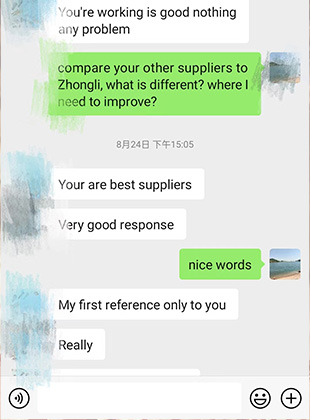
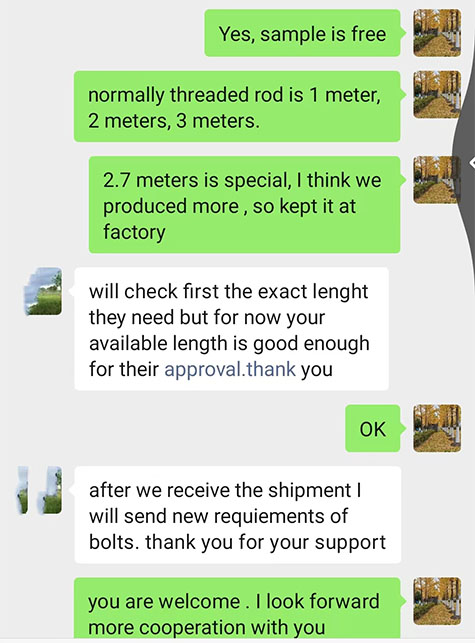
Grasp first-hand information from our global clients


 Send Email
