- Ningbo Zhongli bolts manufacturing Co., Ltd. +86-574-86587617
- tan@nbzyl.com
Leave Your Message
High-tensile fasteners engineered specifically to withstand the dynamic loads and extreme environmental conditions of wind energy projects.


Wind energy has emerged as one of the most prominent and fast-growing renewable energy sources globally. As wind turbines scale up in size to capture more energy, the demand for structural integrity becomes paramount. A wind turbine is a massive structure subjected to complex dynamic forces, including cyclic aerodynamic loads, gravitational forces, and extreme weather events. Within these colossal machines, high-strength structural bolts serve as the critical joints holding the entire system together. From the foundation embedded in the ground to the tip of the rotor blades, structural bolts ensure the safe transmission of loads and the overall stability of the wind turbine.
The global wind turbine fastener market is experiencing a significant surge, driven by ambitious net-zero emission targets and the rapid expansion of both onshore and offshore wind farms. Modern wind turbines are engineering marvels, with hub heights exceeding 100 meters and rotor diameters stretching over 200 meters. These massive dimensions require larger, more robust structural bolts, typically ranging from M30 to M64 and larger. The commercial landscape is highly competitive, demanding manufacturers to not only deliver high-volume production but also adhere to stringent quality standards such as ISO 898-1, EN 14399, and ASTM A325/A490. Reliability is the ultimate commercial metric; a single bolt failure can lead to catastrophic turbine collapse, resulting in millions of dollars in damage, downtime, and safety hazards.
To understand the complexity of structural bolts in wind energy, one must analyze their specific application zones within the turbine structure:
1. Foundation Anchoring Systems: The foundation is the bedrock of the wind turbine. Huge anchor bolts or threaded rods are embedded deep into the concrete foundation. These bolts must anchor the massive tower base flange to the concrete, resisting the high overturning moments caused by wind forces pushing against the rotor. High-tensile studs, such as ASTM A193 B7 or specialized foundation bolts, are commonly used here to ensure constant tension and prevent foundation separation.
2. Tower Segment Connections: Wind turbine towers are manufactured in multiple steel segments for transport purposes. During installation, these segments are bolted together using internal flanges. These connections rely on heavy hex structural bolts (e.g., DIN 6914 or EN 14399-3 system HV) paired with matching structural nuts and washers. Because these joints are subjected to continuous fatigue loads from wind gusts and rotor rotation, maintaining the correct preload (tension) is critical to prevent joint slippage and fatigue failure.
3. Nacelle and Yaw System Fastening: The nacelle houses the generator, gearbox, and main shaft. The yaw system, which rotates the nacelle to face the wind, relies heavily on high-strength bolts to secure the yaw ring gear to the tower top flange. Additionally, structural bolts secure the gearbox and generator mounts inside the nacelle, where they must withstand high vibrational forces and torque loads.
4. Rotor Blade Root Joints: The connection between the wind turbine blade and the rotor hub is one of the most highly stressed joints in the entire system. Blade bolts are inserted into the root of the composite blades and fastened to the hub. These bolts must handle extreme tension, bending, and centrifugal forces while undergoing millions of stress cycles over a 20-to-25-year operational lifespan. High-grade alloy steel bolts with superior fatigue limits are essential for this application.
Engineers face three main challenges when designing and manufacturing structural bolts for wind turbines: fatigue, corrosion, and preload control. Fatigue is the primary cause of bolt failure in wind energy. Cyclic loading causes micro-cracks to propagate over time. To combat this, bolts must have precise thread profiles, controlled heat treatment, and smooth surface finishes to eliminate stress concentrators. Corrosion is another major threat, especially for offshore turbines. Bolts must be coated with advanced corrosion-protection barriers, such as Hot-Dip Galvanizing (HDG) or zinc flake coatings, which provide sacrificial protection without inducing hydrogen embrittlement. Finally, precise preload control during installation is vital. Under-tightened bolts will loosen under vibration, while over-tightened bolts can yield during operation. Specialized hydraulic tensioning tools are used to stretch the bolts to precise tension levels during assembly.
The wind energy sector is moving towards larger turbine capacities (15MW+ for offshore installations), which pushes the limits of traditional fastener manufacturing. Future trends include the development of "smart bolts" embedded with IoT sensors that transmit real-time tension data to operators, allowing for predictive maintenance and early detection of loosening. Material science is also advancing, with new steel alloys that offer higher tensile strengths (above Grade 10.9) while retaining excellent low-temperature impact toughness, critical for turbines operating in Arctic or North Sea environments.
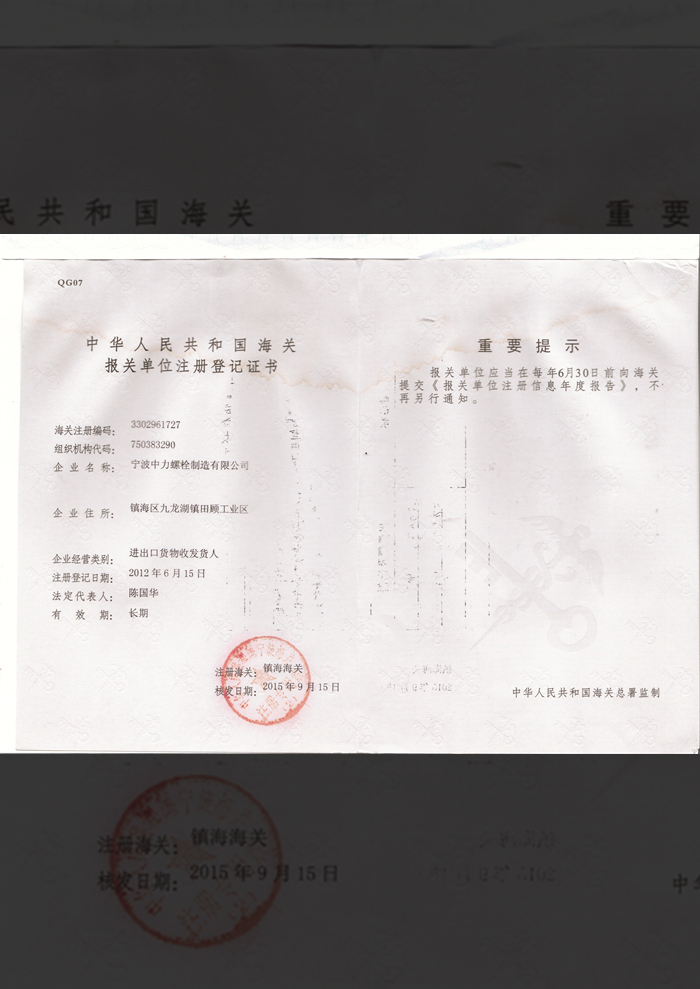
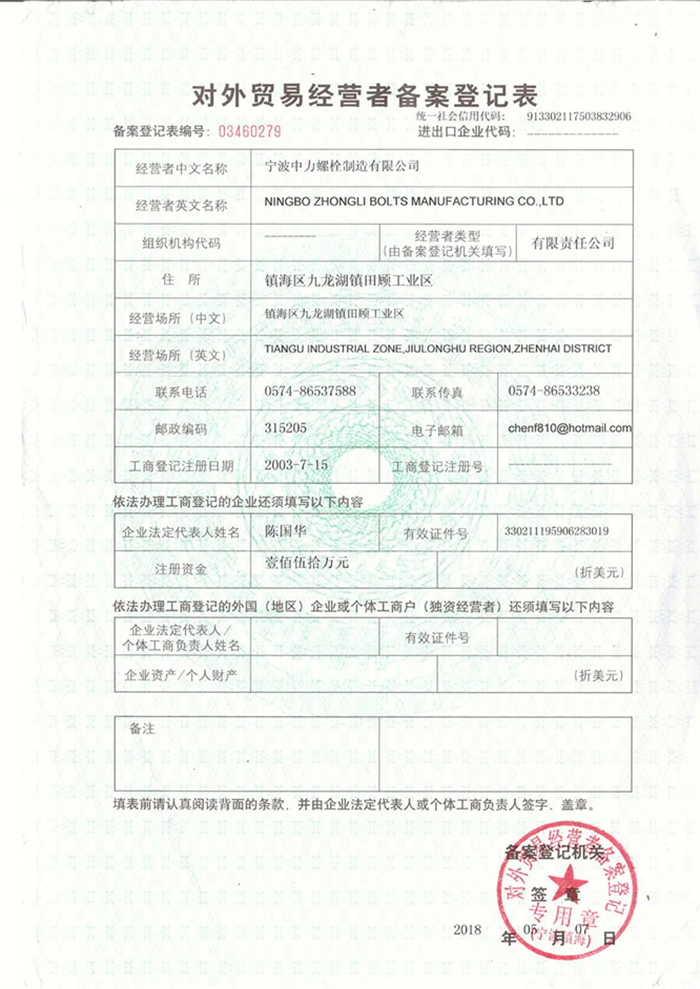
Ningbo Zhongli Bolts Manufacturing Co., Ltd. founded in 2003, is a professional manufacturer of high-strength fasteners in different specifications for various models, which is covering an area of about 10,000 square meters, registered capital of 1500,000 RMB, with the total annual productivity of 8,000 tons per year. The company has set up several sales branches in different provinces in China. Meanwhile, the company's products are exported to Europe, USA, Middle East, Africa, Southeast Asia and other regions. The company has strong technical ability, complete testing equipments and a variety of fully automatic multi-station cold and hot heading machines, so as to provide you with reliable and high quality products.
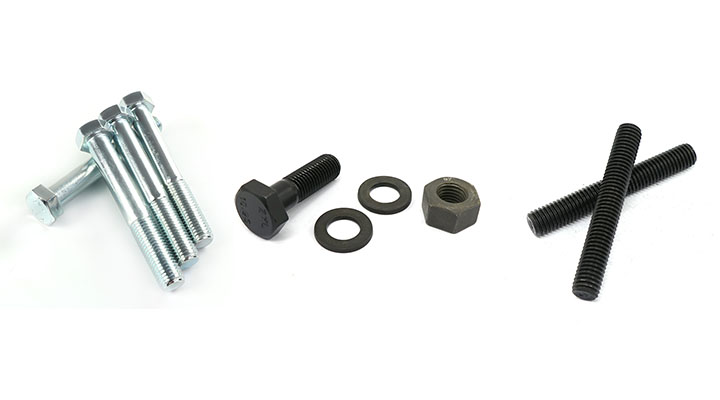
Our main products ZYL brand fasteners include structural hex bolts ASTM A325 type 1, A490, hex head bolts DIN931, DIN933, EN14399, DIN6914, ISO4014, ISO4017 Gr8.8 Gr10.9 Gr12.9, ANSI B18.2.1 UNC and UNF Gr5, Gr8, fine pitch hex bolts DIN960, DIN961 Gr8.8 Gr10.9 Gr12.9, hex socket cap screws DIN912, ISO4762 Gr8.8 Gr10.9 Gr12.9 with surface Black, Zinc plated, Hot dip galvanized. Diameters from M10 to M48, length no limited. Hex Flange bolts DIN6921 Gr8.8 Gr10.9 with serration, thread rod A193 B7 long sizes and short sizes with 2H nuts, stud bolts. We also can supply hex nuts DIN934, DIN6915, plain washers DIN125, DIN126, DIN6916, spring washers DIN127 with Black, Zinc plated and Hot dip galvanized surface.
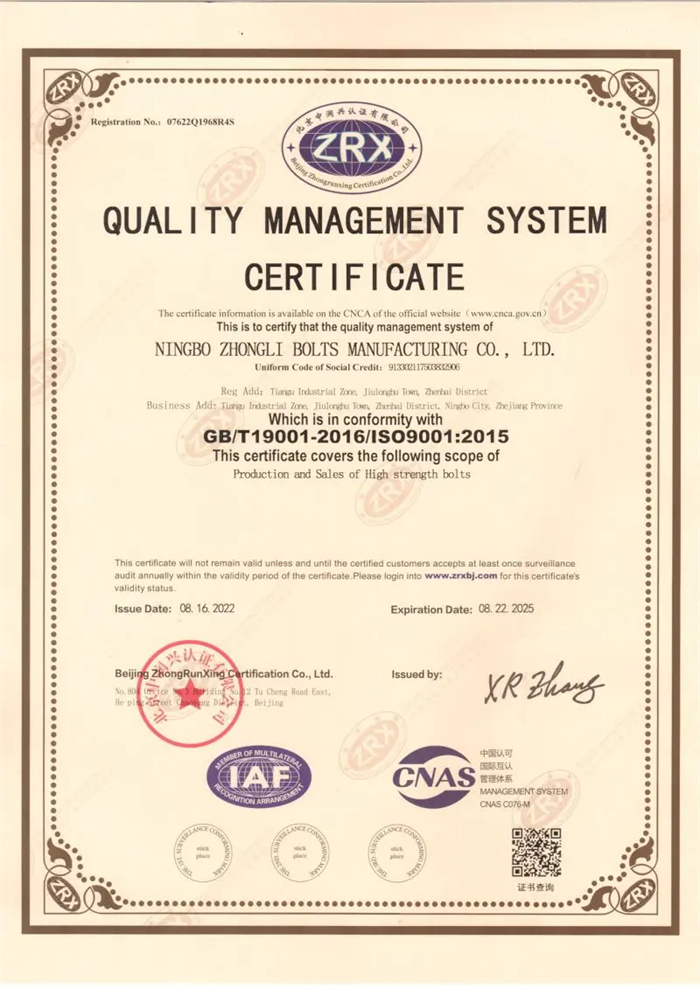
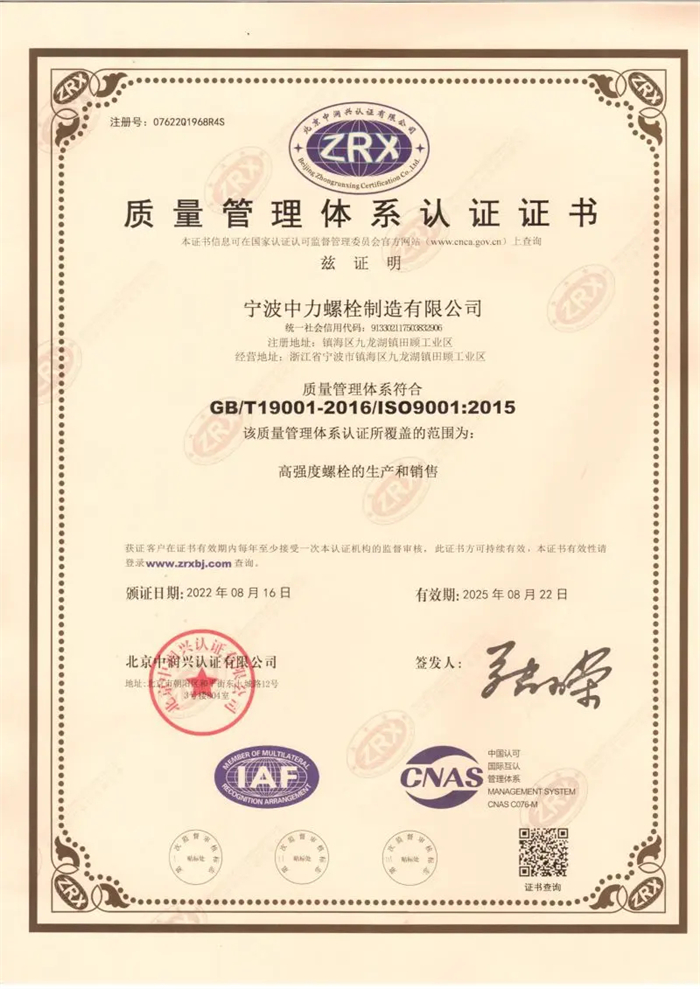
Through scientific management, Ningbo Zhongli Bolts Manufacturing Co., Ltd. obtained ISO9001 certificate of Quality Management System. Quality is the most important for us. We have strict production and inspection equipments to support this point. We hope to establish business relationship with all over the world, and our business can bring in mutual benefits for both parties.
Read More About Us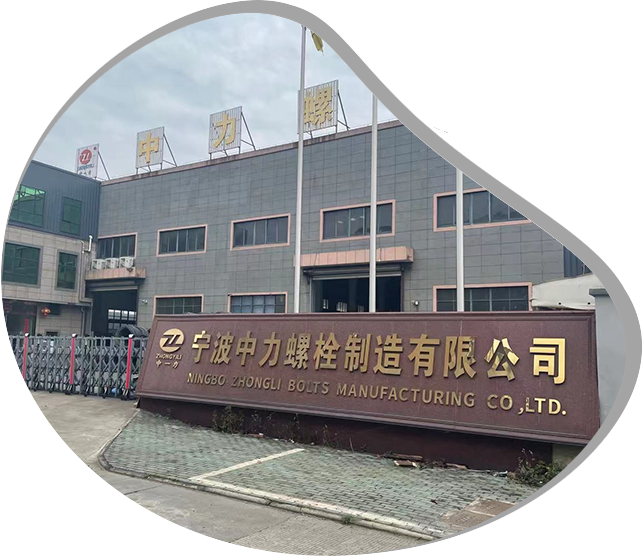
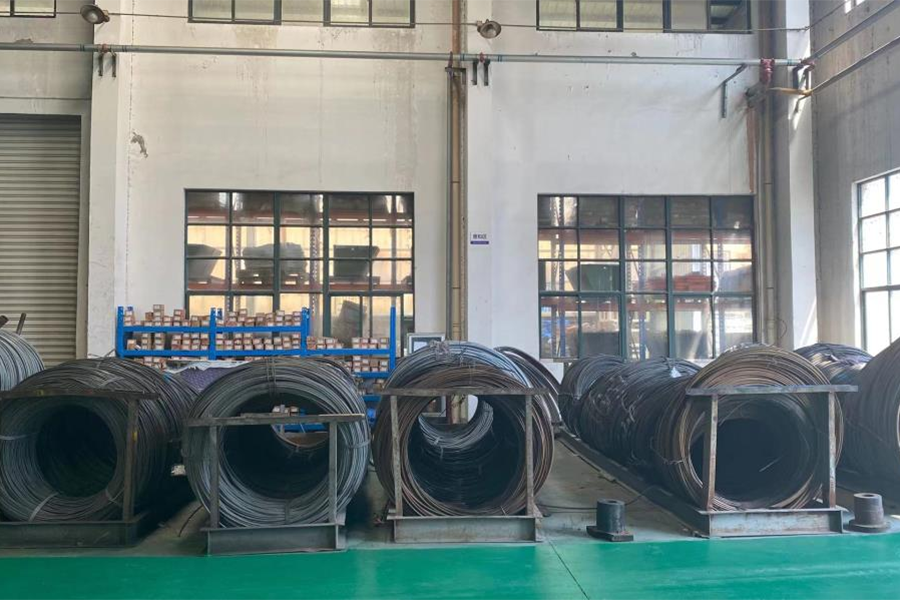
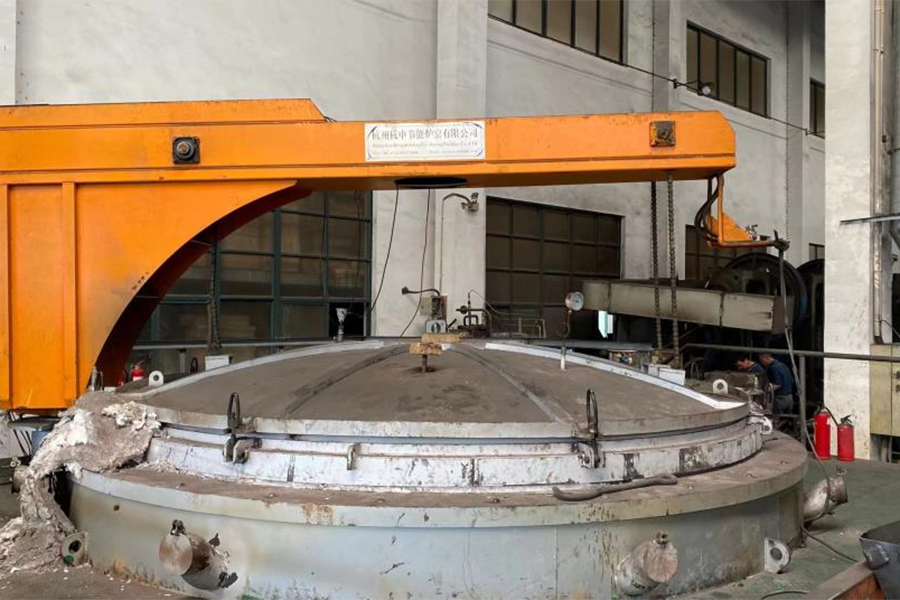
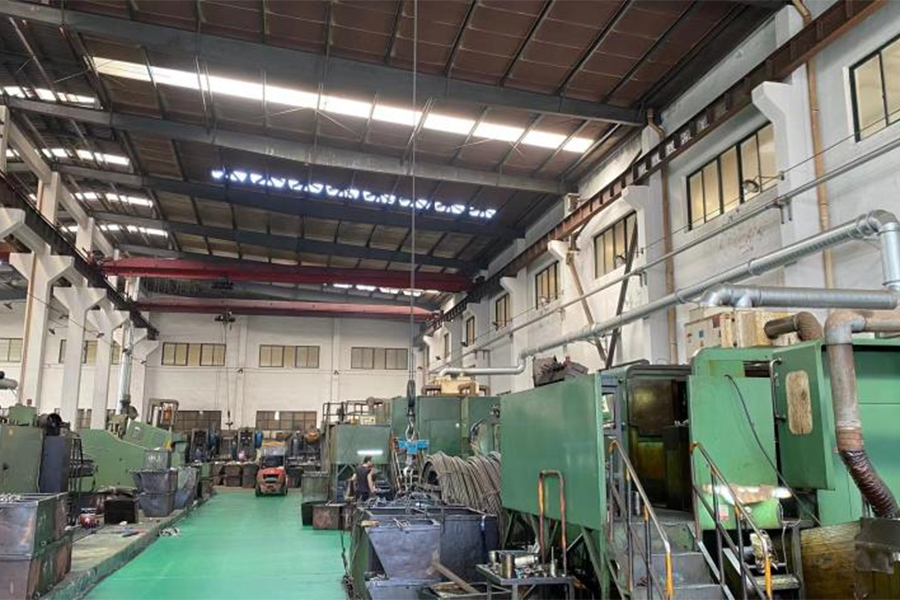
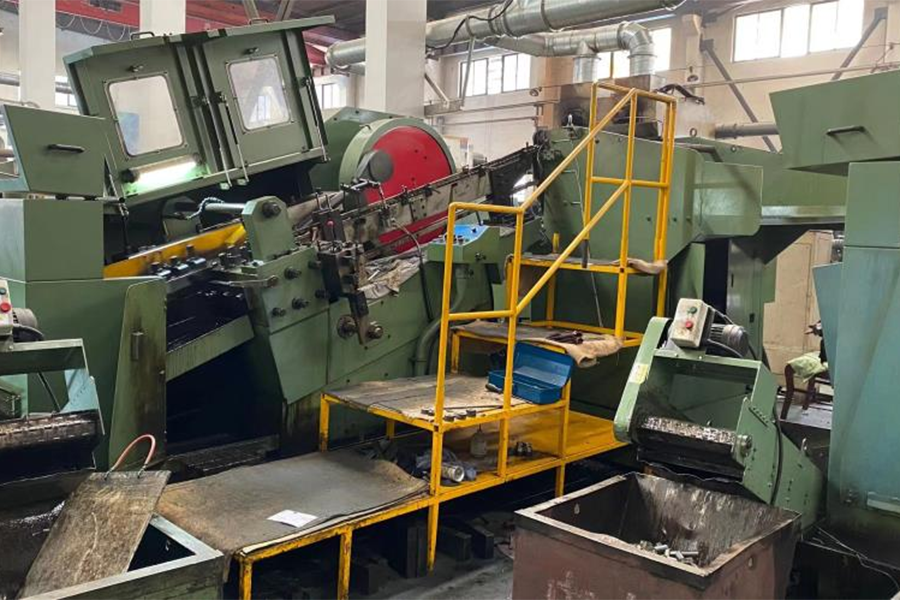
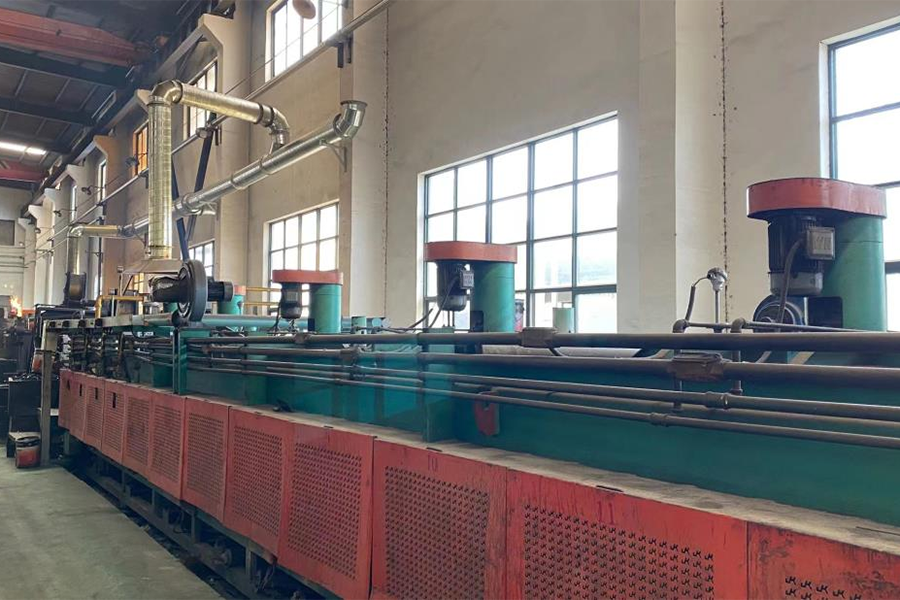
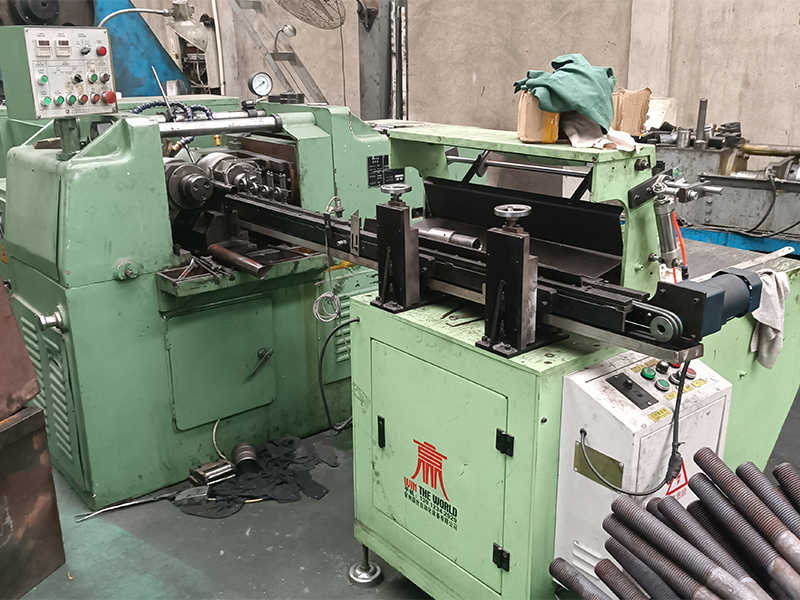
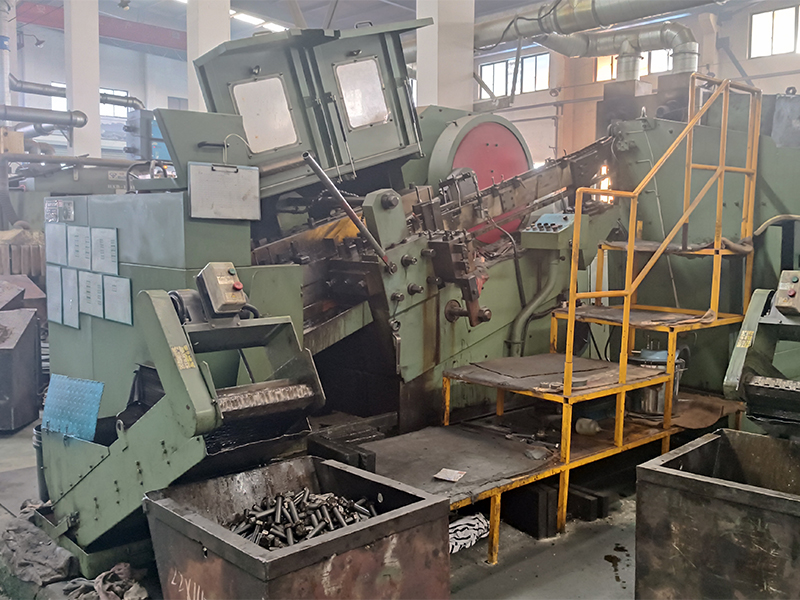
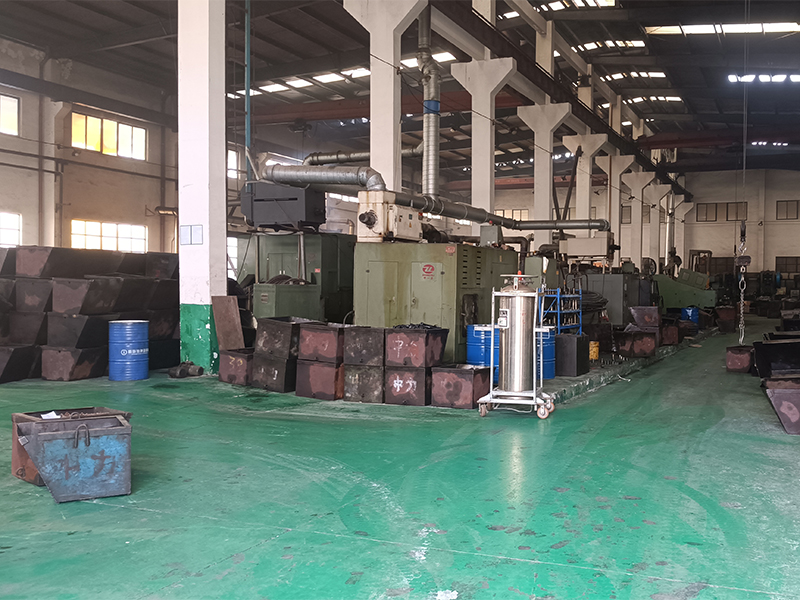
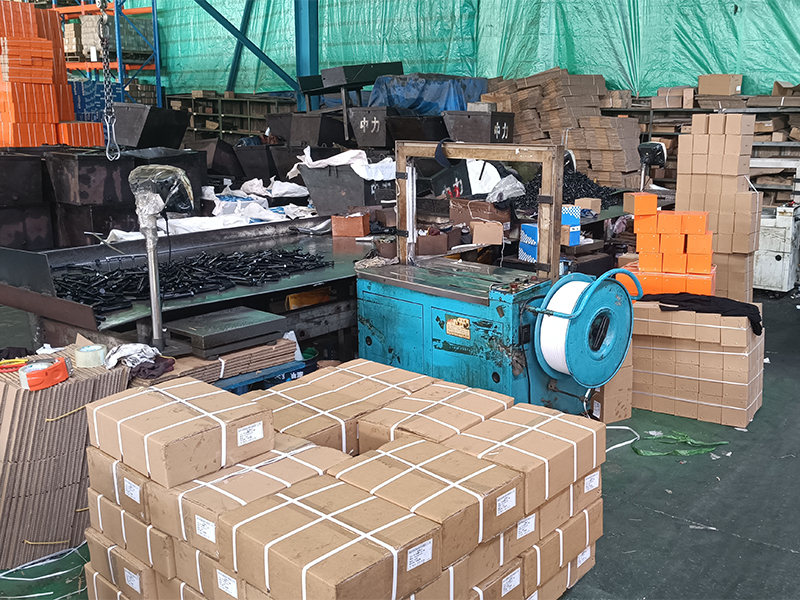
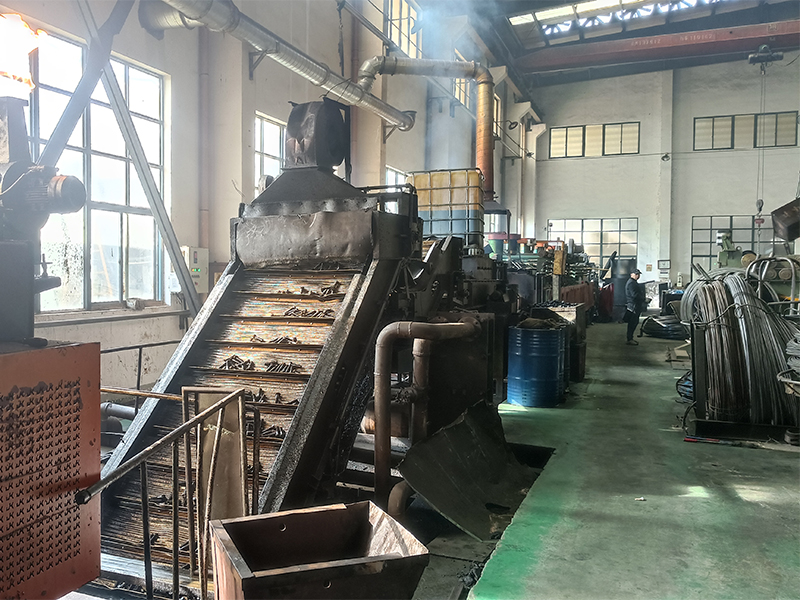
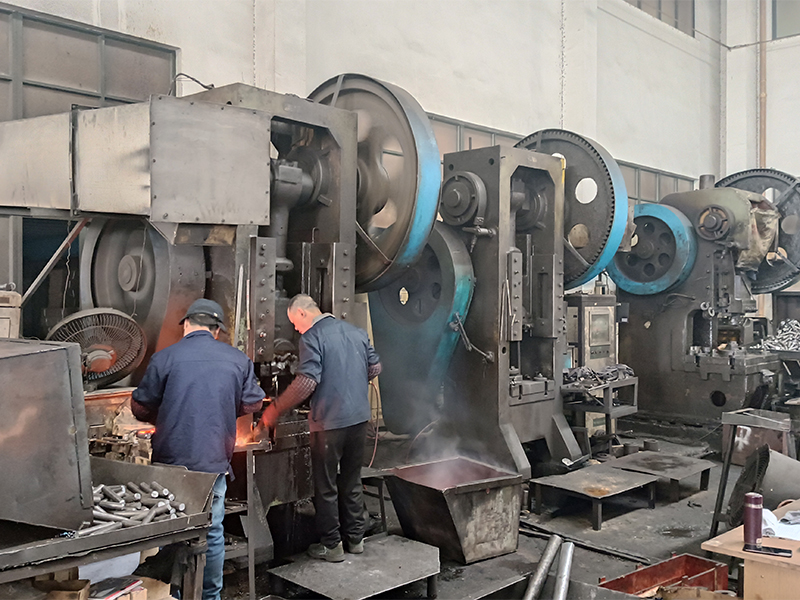
Our state-of-the-art manufacturing facility utilizes advanced machinery and strict quality controls at every step of the production cycle.
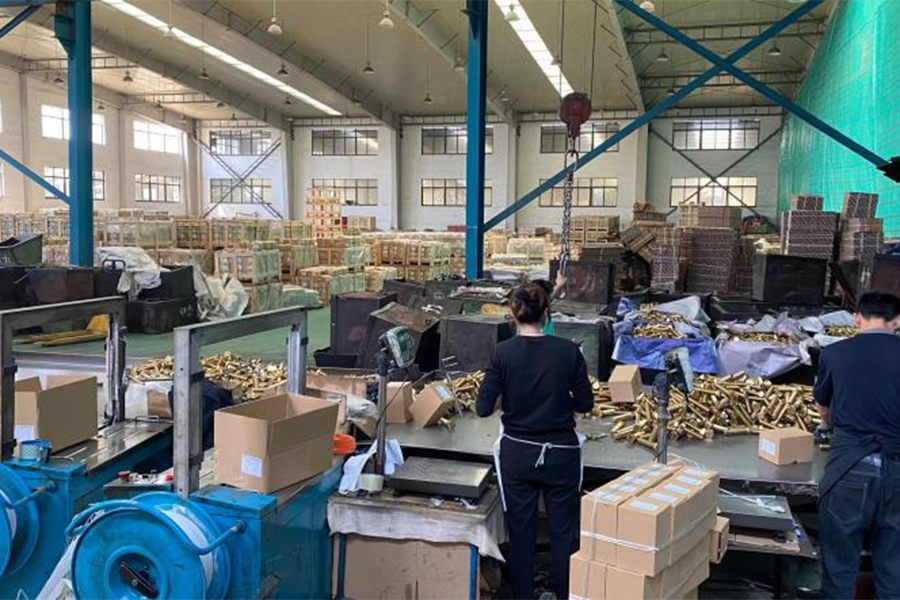
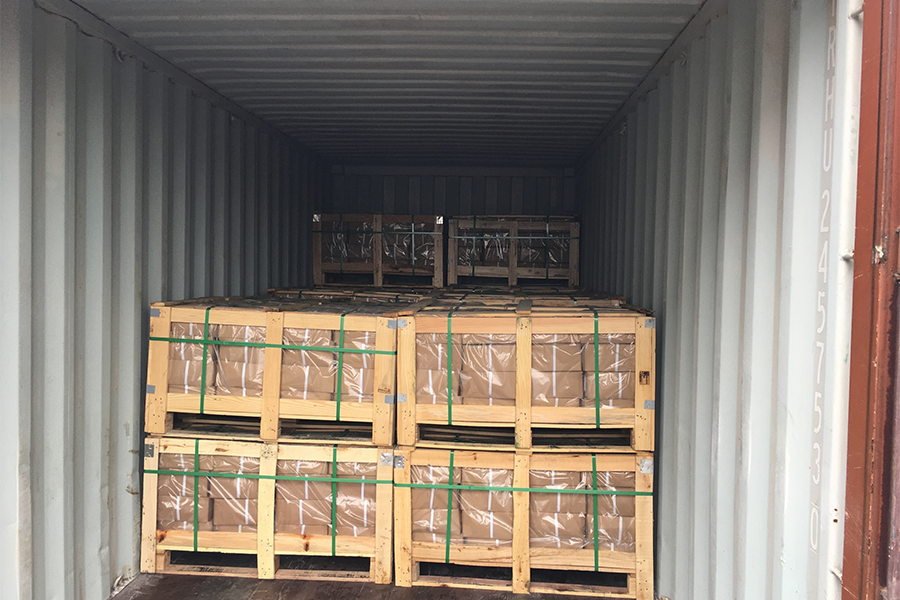
Explore our highly-requested high-strength fasteners, manufactured to global standards for critical structural applications.


Ningbo Zhongli Bolts Manufacturing Co., Ltd. founded in 2003, is a professional manufacturer of high-strength fasteners in different specifications for various models, which covers an area of about 10,000 square meters, registered capital of 1500,000 RMB, with the total annual productivity of 8,000 tons per year. The company has set up several sales branches in different provinces in China.
Read more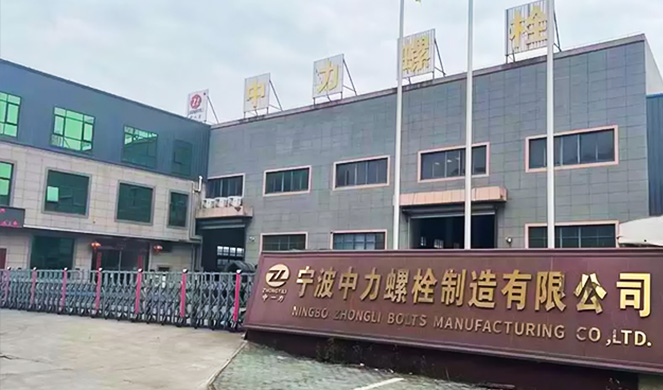
Why industry leaders choose ZYL fasteners for their critical construction and wind energy projects.

A Professional Sales and Technical Team with More Than 20 Years History.

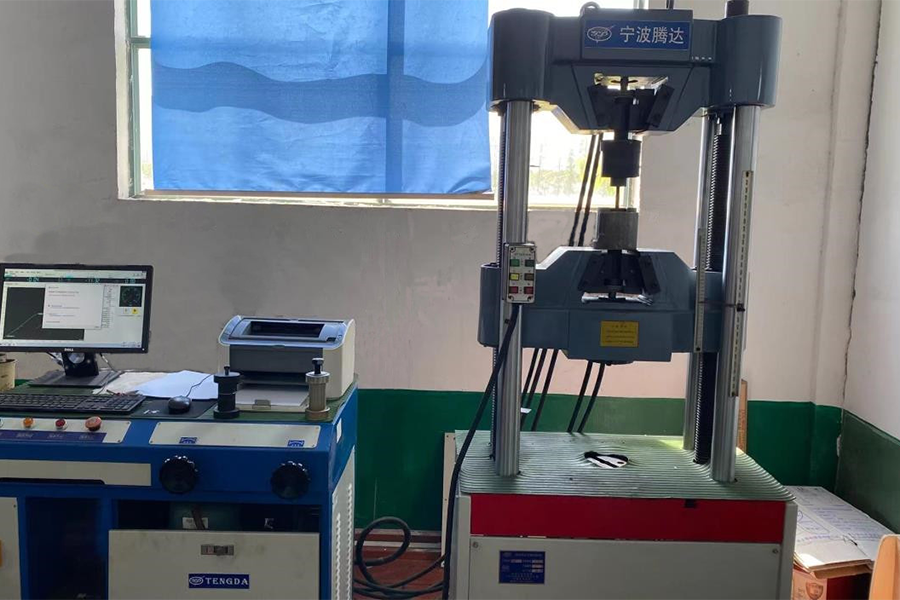
We Have Our Own Testing Equipment and Laboratory, Our Products Have Initial Inspection, Patrol Inspection, And Final Inspection.

Our Factory Has Its Own Cold Forged, Hot Forged, And Heat Treatment Equipment.

Standard Fasteners in Stock, Non-standard Fasteners Can Be Customized.

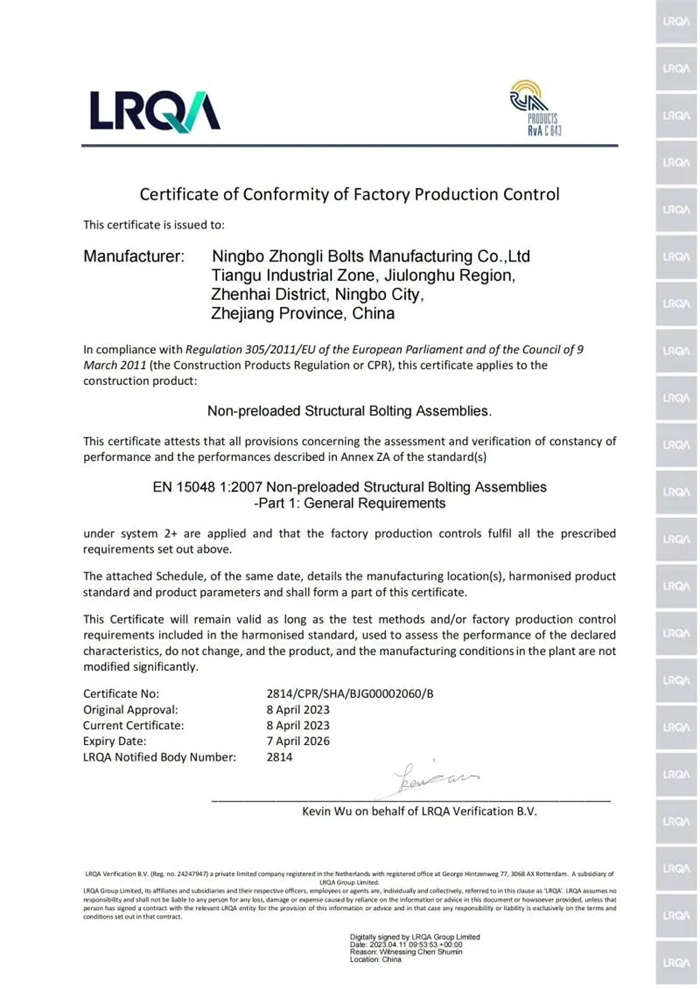
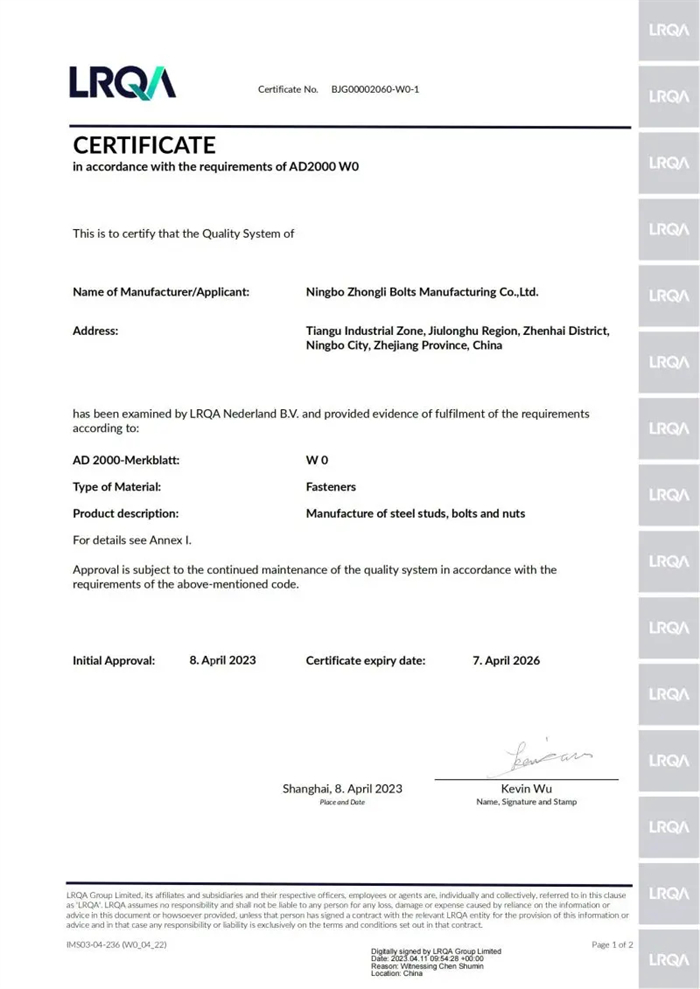
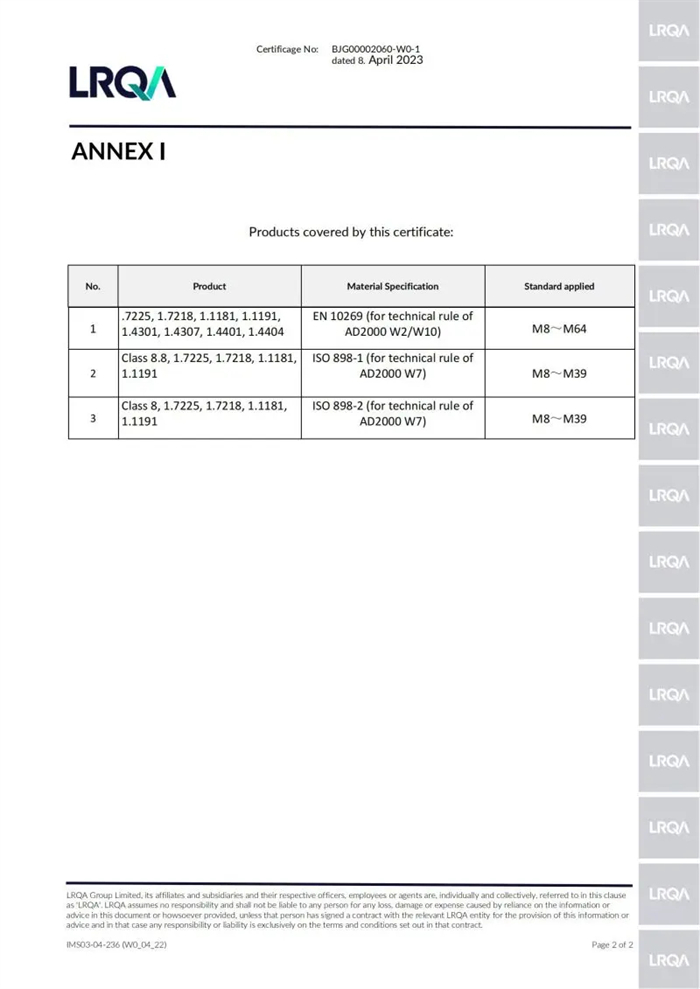
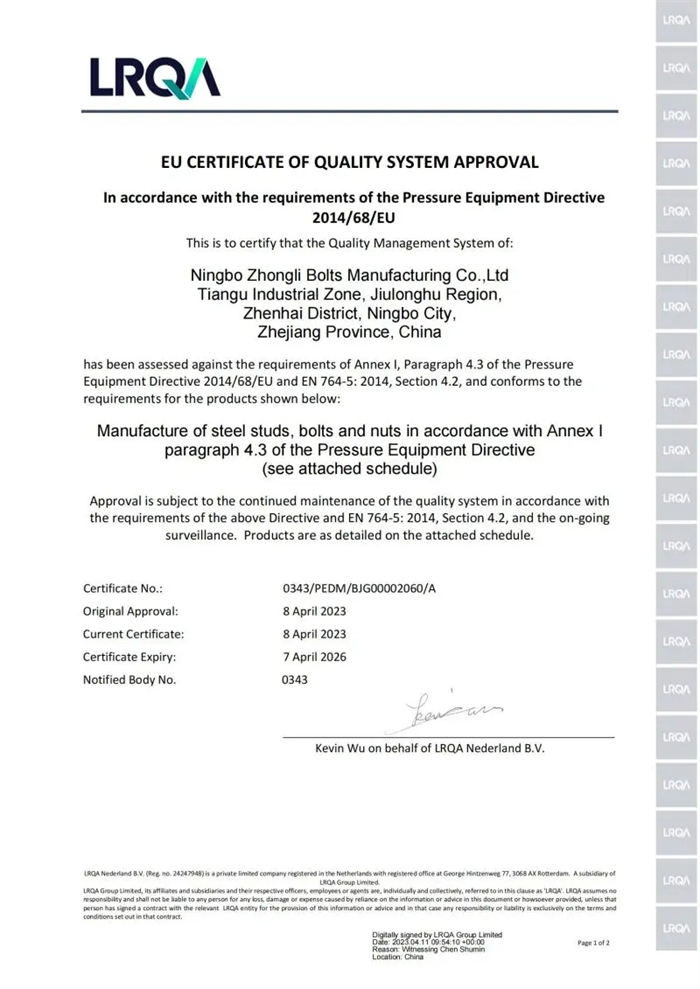
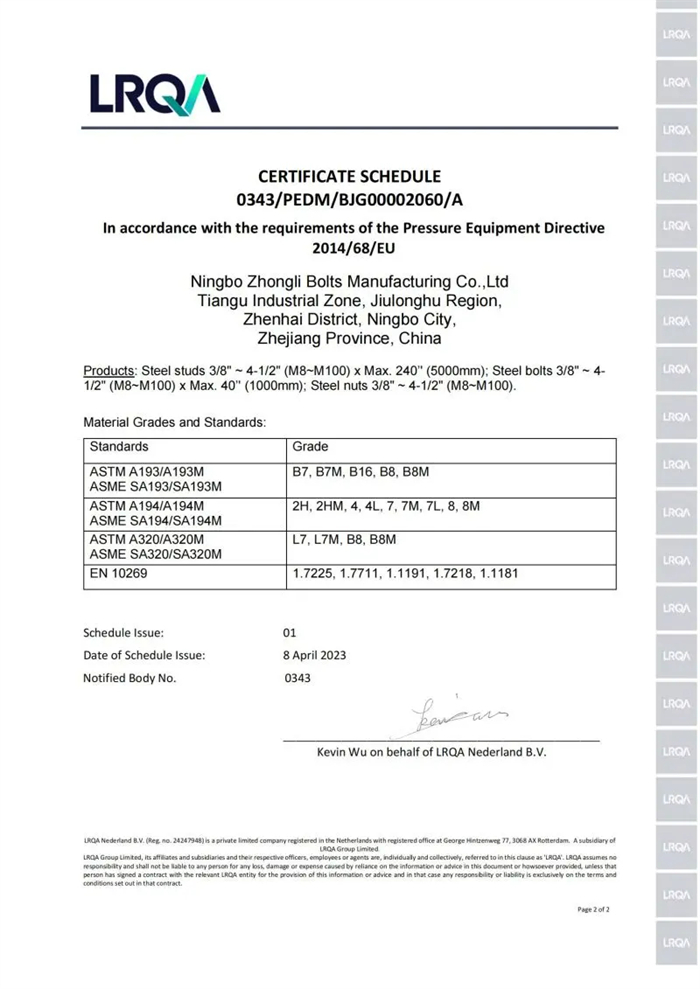
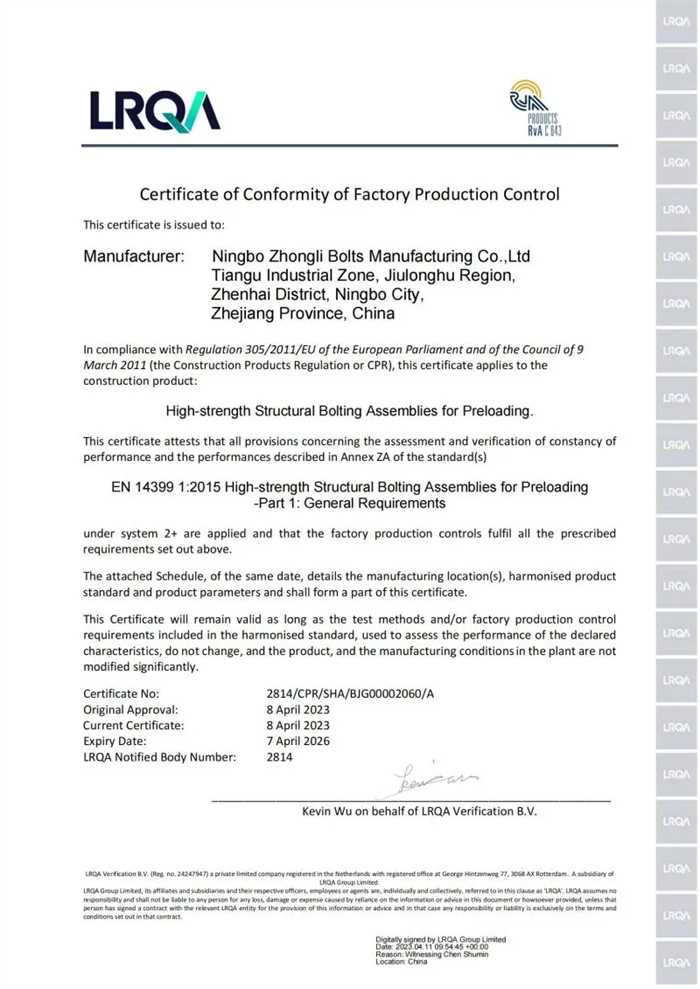
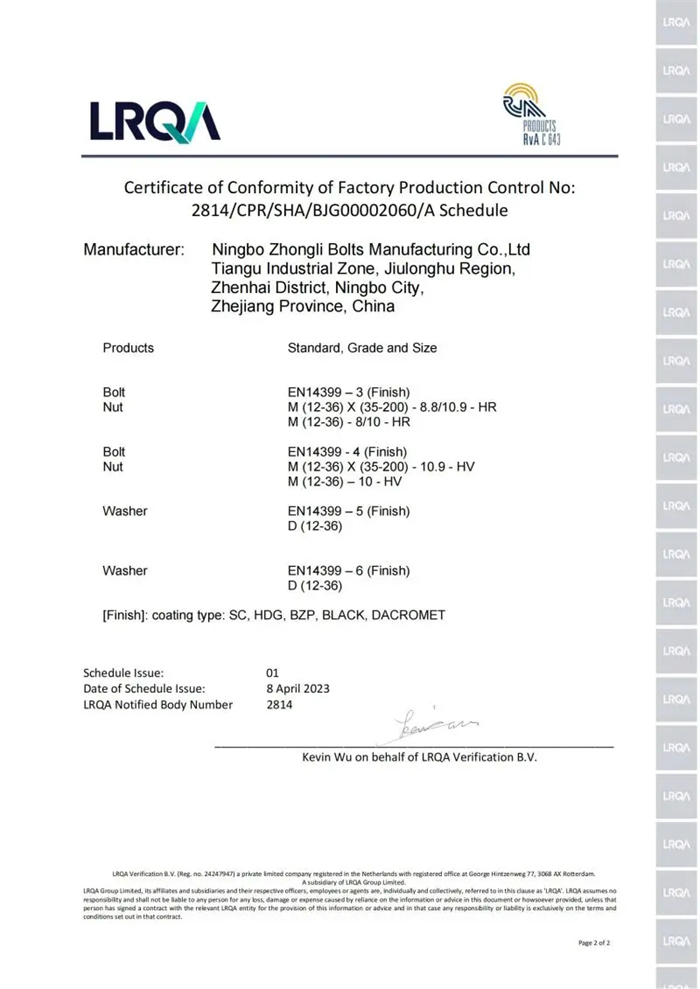
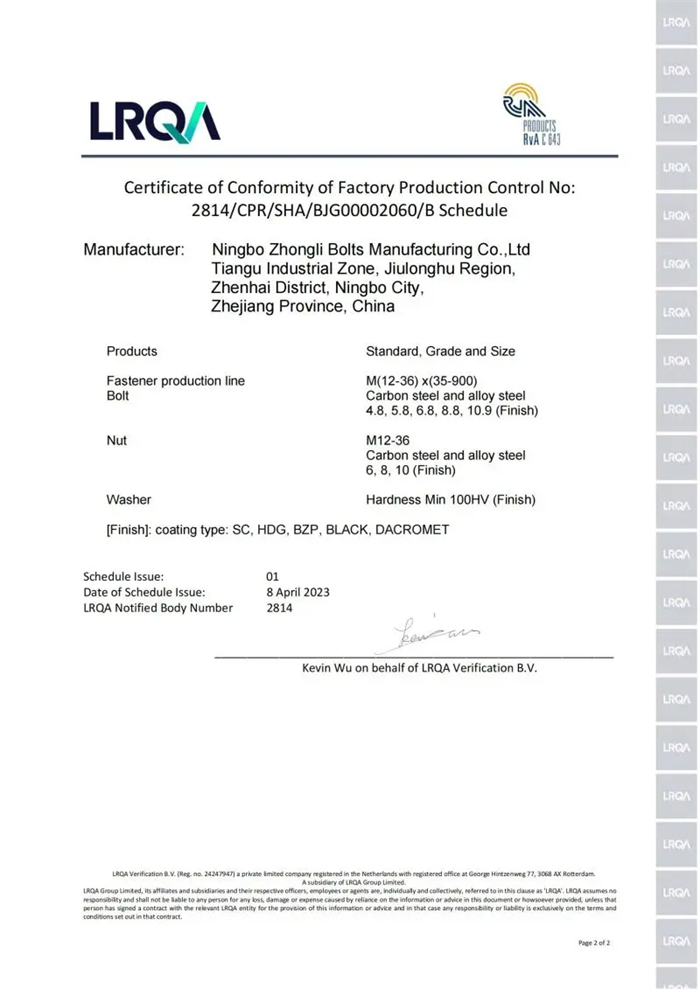
We Have Passed ISO 9001, EN 15048, EN 14399, AD2000 and CE Certificates.
We hope to establish business relationship with all over the world, and our business can bring in mutual benefits for both parties.


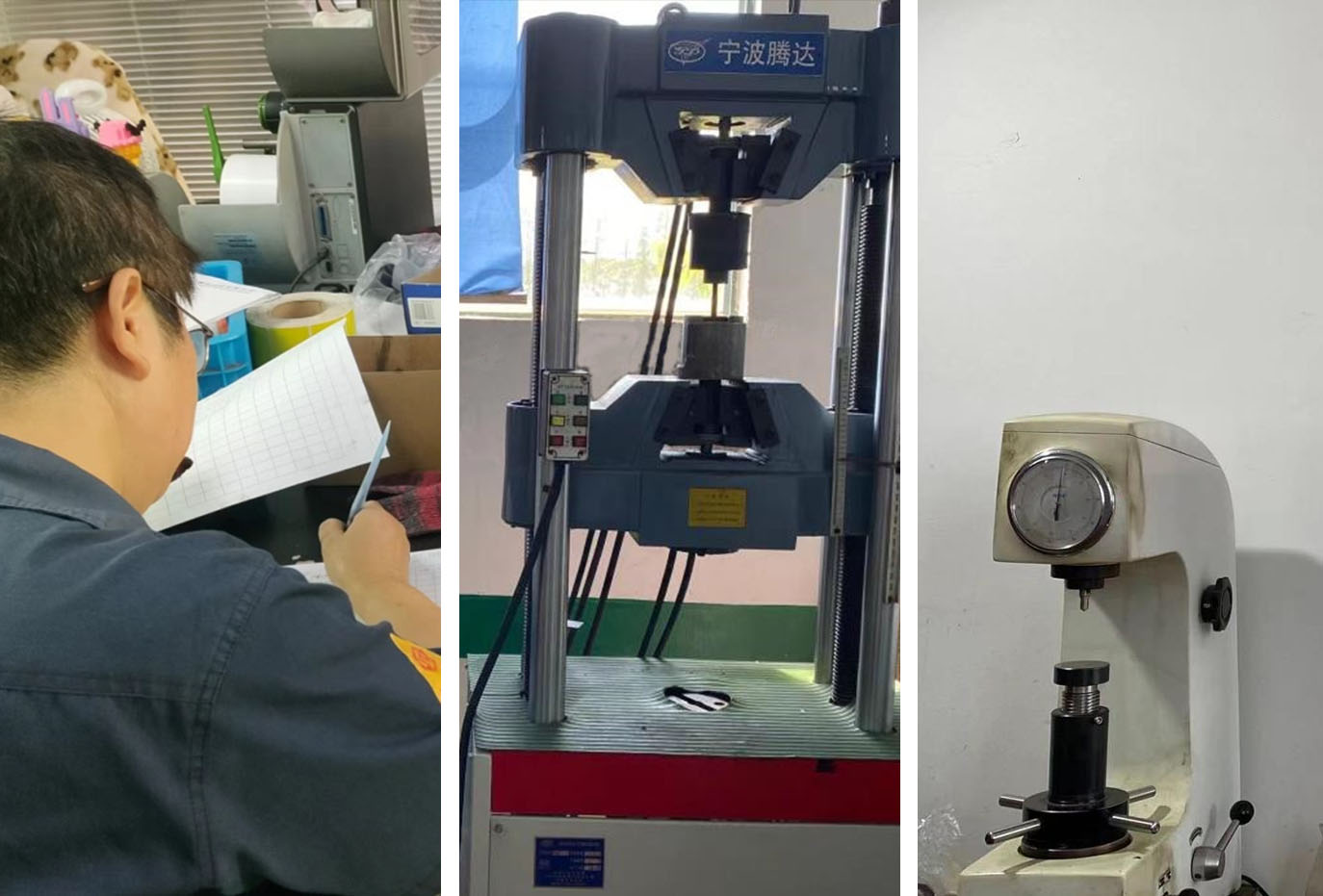
Our physical and mechanical test results can reach to ISO898-1 for bolts and ISO898-2 for nuts. We maintain our own testing laboratory to conduct comprehensive checks on all production batches:
EN 15048 CE Certification, EN14399 CE Certification, ISO9001 Certificate
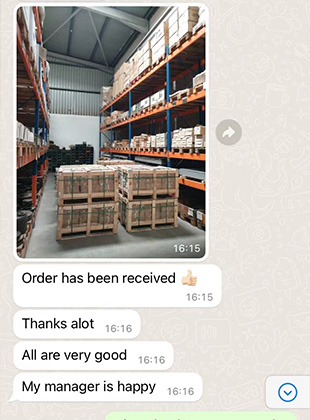
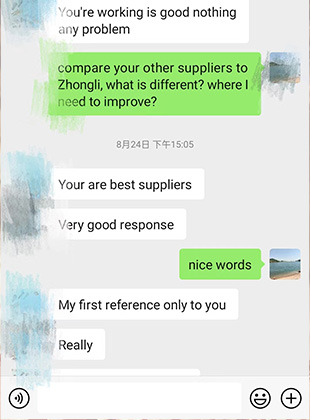
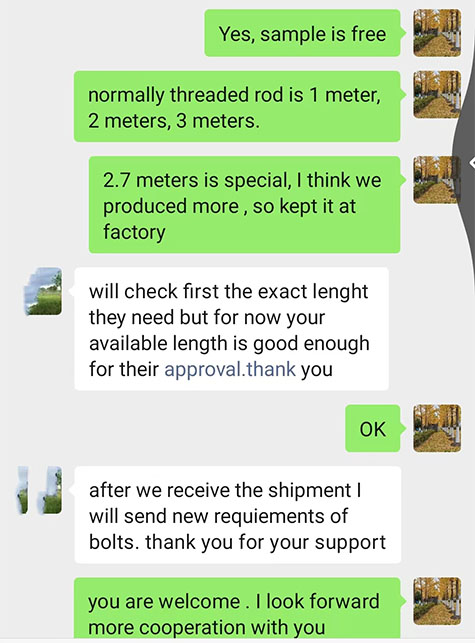
Feedback and on-site deployment reviews from our global partners.
Browse our complete catalog of industrial structural bolts and fasteners designed for heavy-duty applications.



 Send Email
