
 Send Email


Deep Dive: The Vital Role of Hexagonal Head Bolts in Heavy Load Applications
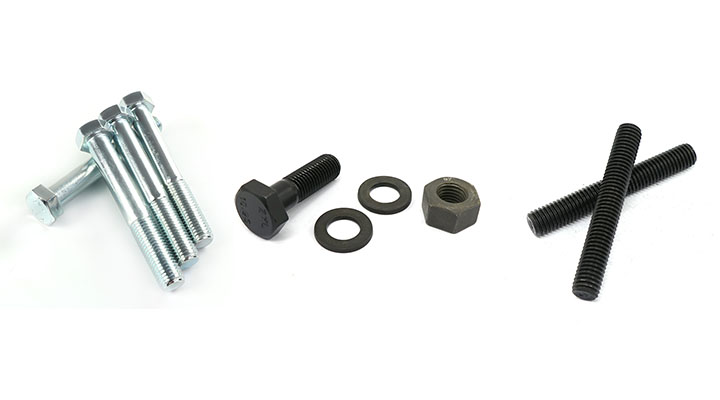
In modern industrial engineering, structural integrity is paramount. When building high-rise towers, massive suspension bridges, heavy-duty mining machinery, or offshore wind turbines, the components holding these structures together must endure extreme stress. The hexagonal head bolt for heavy loads stands as the unsung hero of these massive operations. Designed with a robust six-sided head, these fasteners allow for high torque application, providing a secure, high-tension clamp that prevents structural slippage and material fatigue.
Did you know? The geometry of a heavy hex bolt is specifically designed to distribute clamping pressure over a wider area. Compared to standard hex bolts, heavy hex structural bolts (like ASTM A325 or DIN 6914) feature larger head widths, which significantly increases the load-bearing capability of the joint.
Industrial Status & Commercial Evolution
The global demand for high-strength fasteners has grown exponentially over the past decade. Rapid urbanization, coupled with massive investments in public infrastructure and renewable energy, has driven the commercial market for structural bolts. Modern engineering projects require materials that not only meet traditional standards but exceed them in terms of corrosion resistance, tensile strength, and longevity.
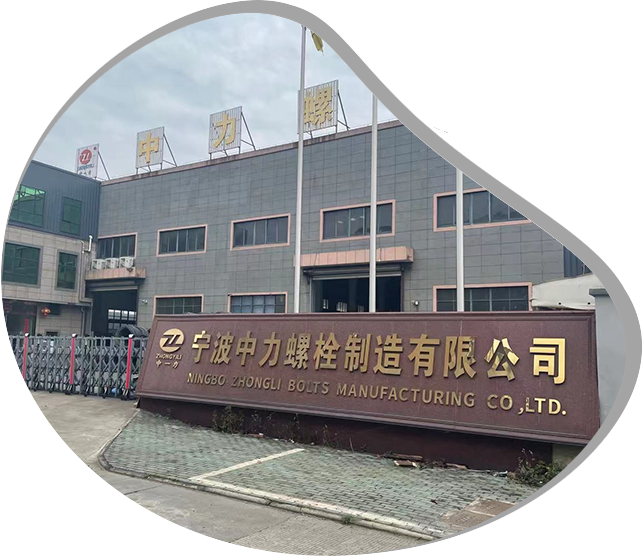
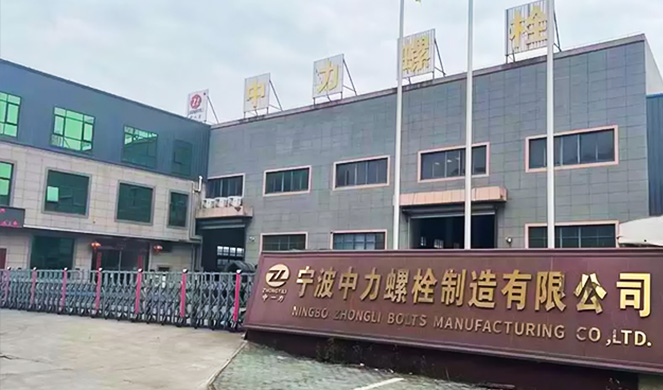
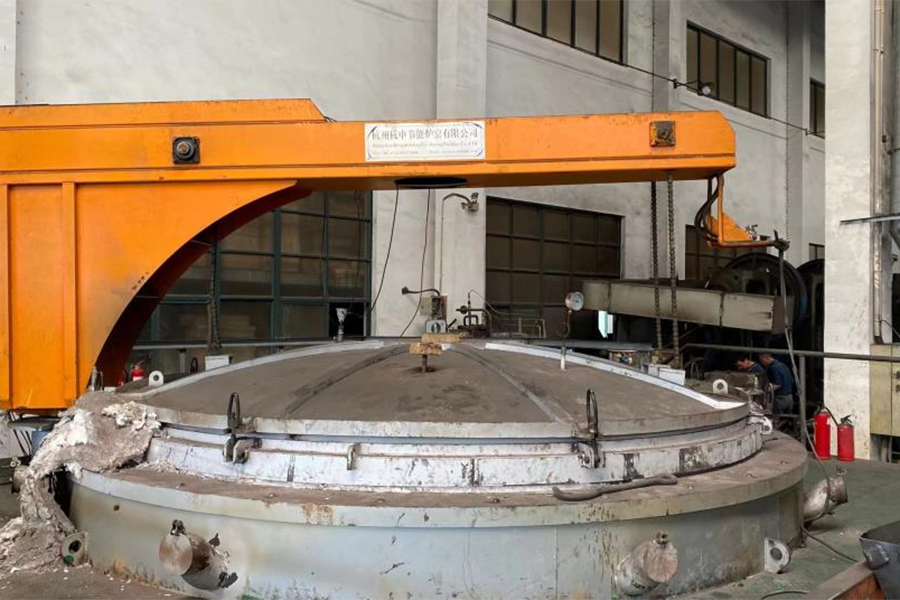
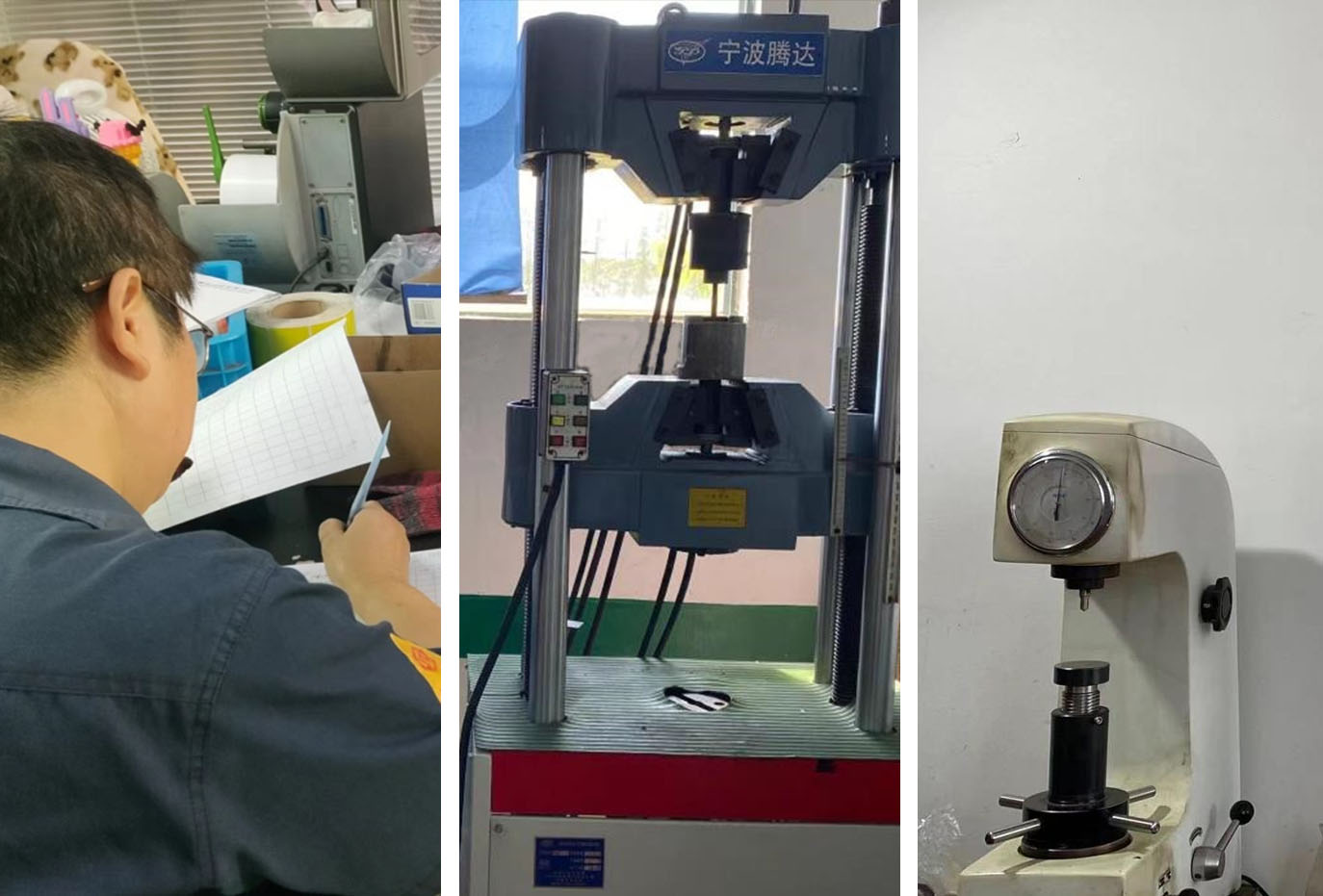
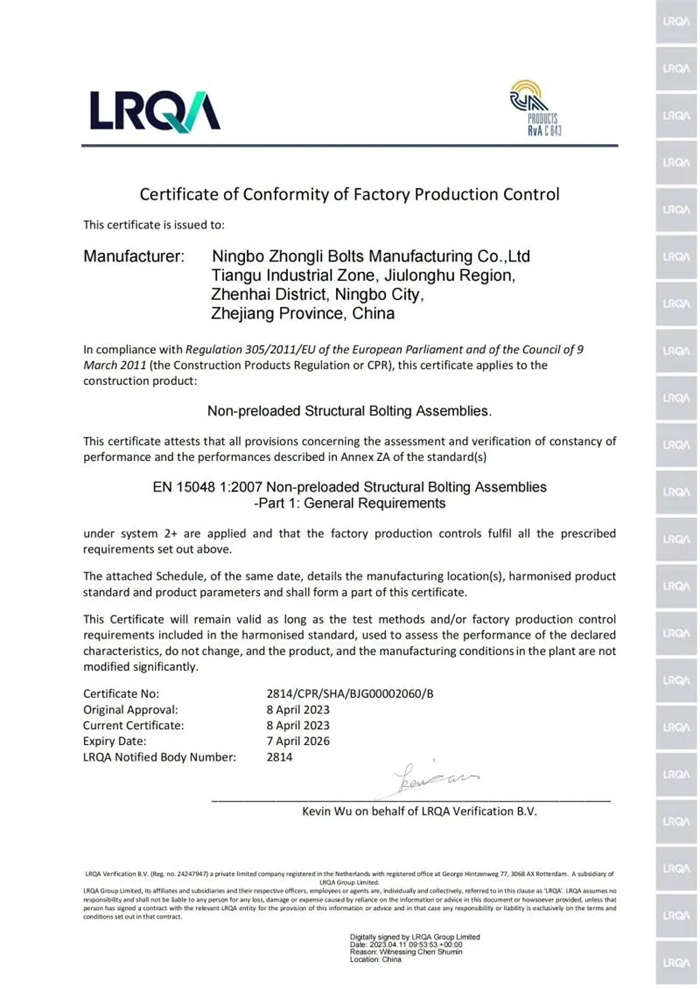
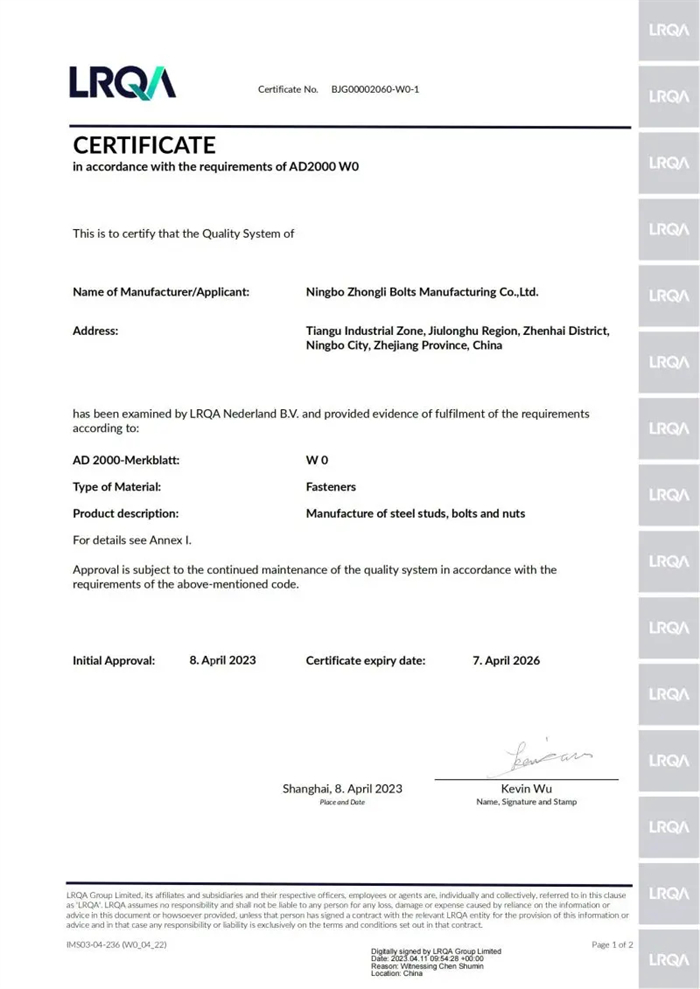
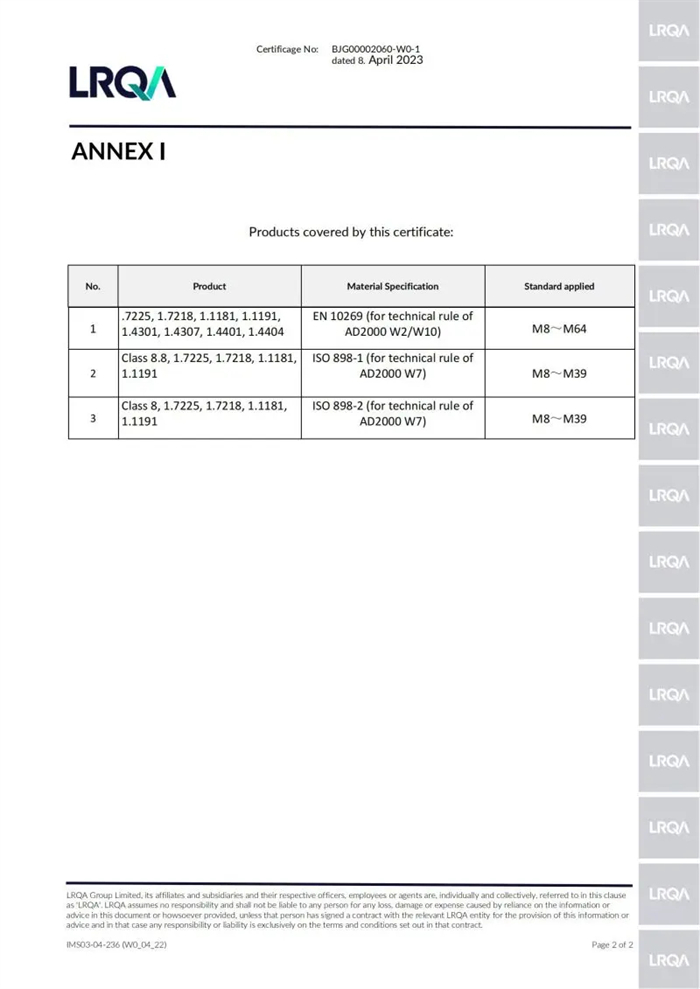
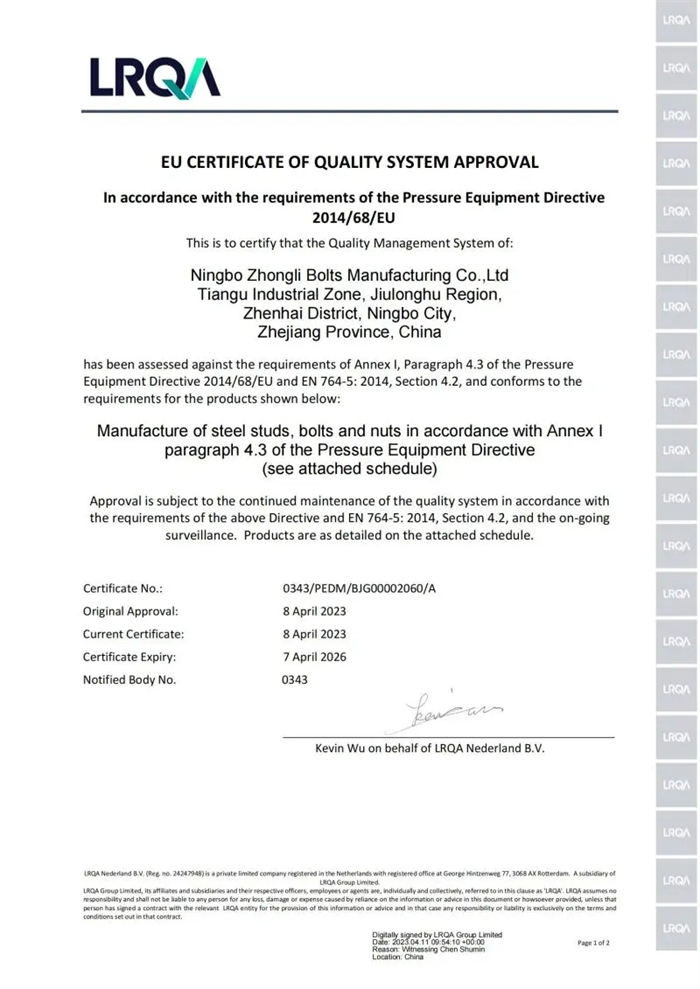
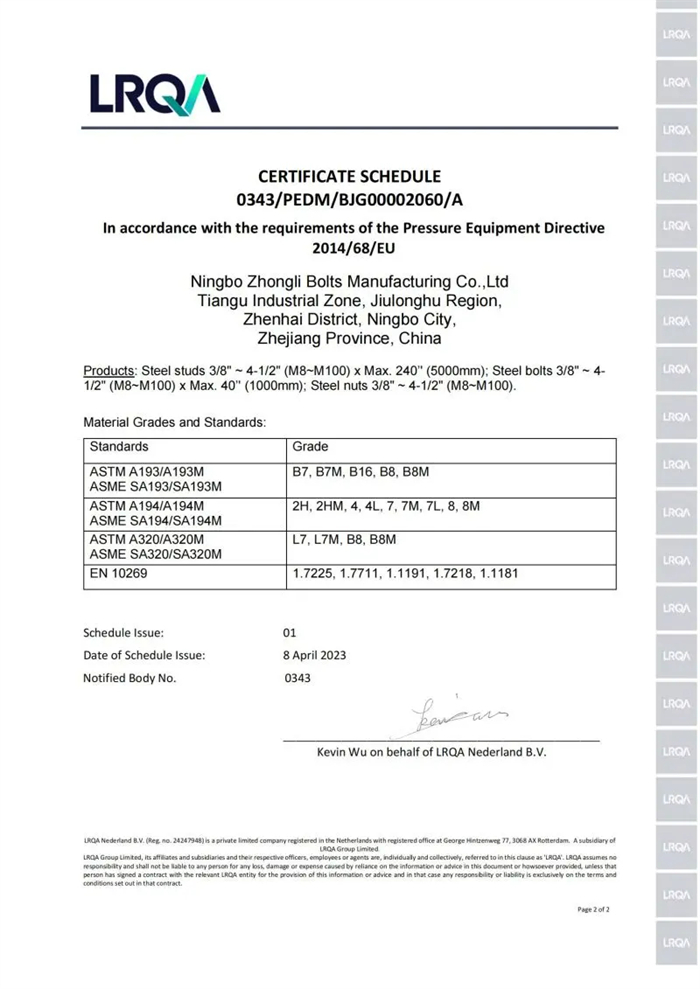
Manufacturers are transitioning from standard carbon steel to advanced alloy compositions. Through advanced heat treatment processes, companies like Ningbo Zhongli Bolts Manufacturing Co., Ltd. can achieve property classes of 8.8, 10.9, and even 12.9. These classifications indicate that the bolts can withstand tensile stresses up to 1200 MPa, making them suitable for the most demanding environments on Earth.
Deep Application Scenarios Analysis
To fully grasp the importance of heavy-load hexagonal head bolts, let us examine their primary application fields:
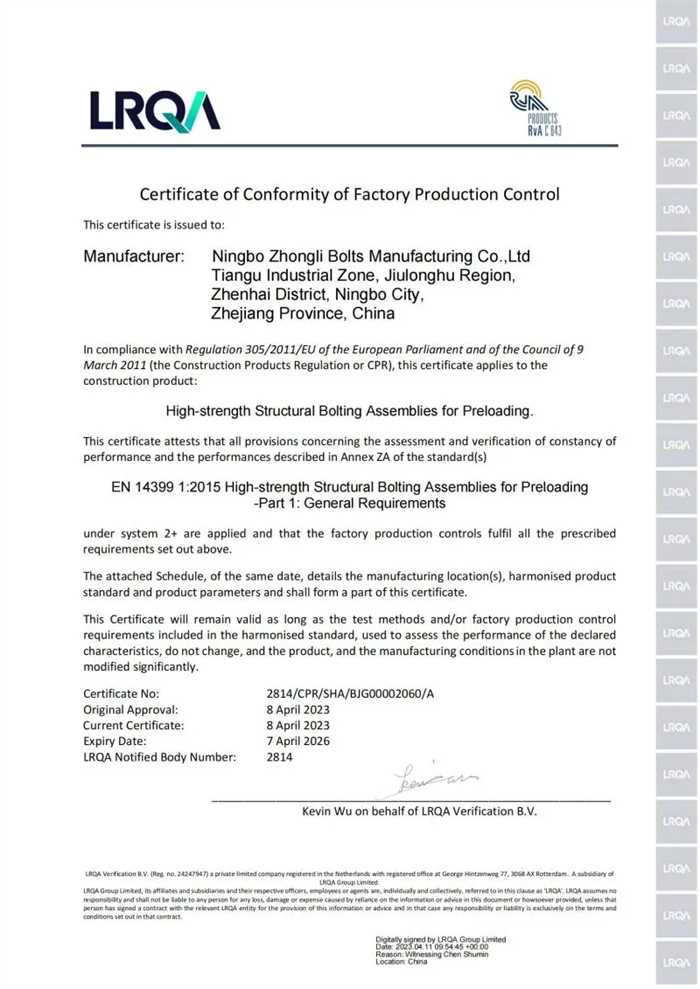
- Structural Steel Construction: In skyscrapers and stadium roofs, bolts must endure constant wind shear and dynamic loads. Heavy hex bolts, particularly under the ASTM A325 and EN 14399 standards, are pre-tensioned to create a slip-critical joint that relies on friction between steel plates rather than just the shear strength of the bolt shank.
- Heavy Machinery & Earthmoving Equipment: Excavators, rock crushers, and industrial cranes operate under constant vibration and shock loads. Standard fasteners would quickly loosen or fail due to fatigue. High-strength hexagonal cap screws (DIN 912 or ISO 4017) provide the necessary clamping force to keep these machines operating safely.
- Renewable Energy (Wind & Hydro): Wind turbine towers are subjected to constant cyclic bending stresses. The foundation bolts and tower segment fasteners must withstand millions of stress cycles over their 25-year lifespans. Specialized hot-dip galvanized or zinc-flake coated hex bolts are utilized to fight off atmospheric corrosion while maintaining load integrity.
Technological Trends: The Future of Fastening
The fastening industry is moving towards smart technologies and green manufacturing. The integration of IoT sensors inside heavy structural bolts (known as "smart bolts") allows operators to monitor joint tension in real-time. If a bolt begins to lose its preload due to seismic activity or extreme weather, maintenance teams receive immediate digital alerts.
Additionally, environmental regulations are pushing manufacturers to phase out hazardous electroplating processes. The industry is rapidly adopting eco-friendly coatings such as zinc flake (Geomet), trivalent zinc plating, and advanced hot-dip galvanizing, which offer superior salt spray resistance without the risk of hydrogen embrittlement.